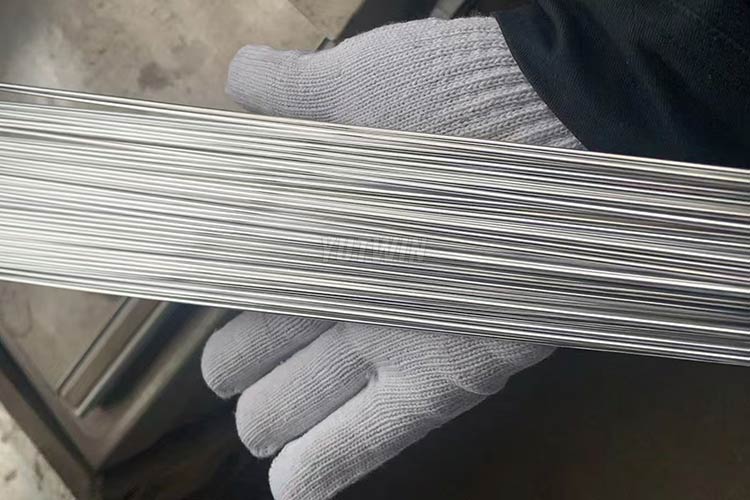
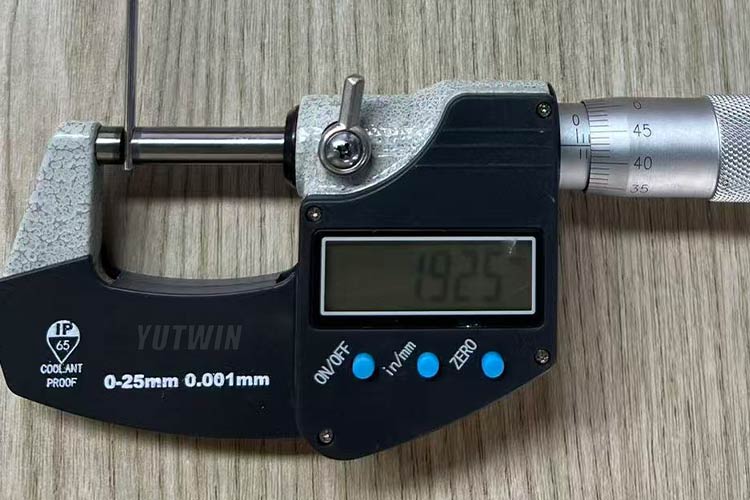
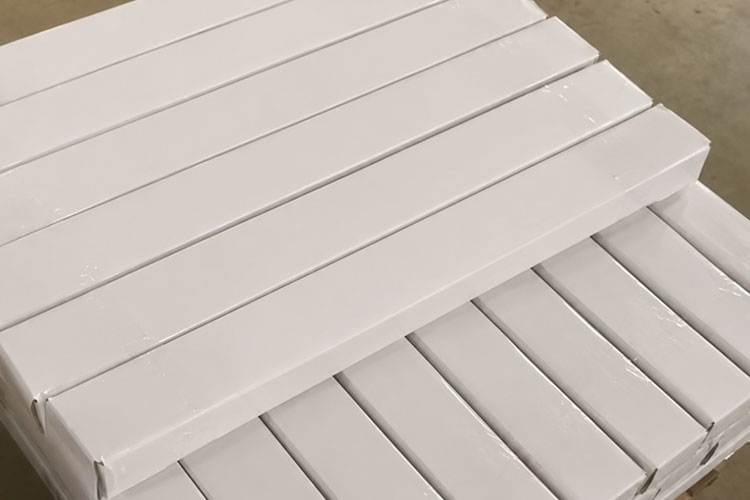
Recently, YUTWIN New Materials completed the production, inspection, and packaging of a batch of medical-grade, ultra-fine 1070 pure aluminum wire. The shipment has now been dispatched to South America, where it will be supplied to local medical equipment manufacturers for use in the precision processing of medical device components. By precisely controlling the cold-drawing process and annealing treatment, 1070 aluminum wire produced by YUTWIN New Materials achieves an excellent balance between tensile strength and elongation, facilitating subsequent bending, coiling, forming, and precision machining.
The specific technical parameters for the 1070 aluminum wire in this export shipment are as follows:
| Aluminum Grade | 1070 |
| Product Form | Wire |
| Wire Diameter | 1.92 mm |
| Processing Technology | Cold Drawn and Annealed |
| Temper | O Temper (Annealed Soft) |
| Surface Quality | Smooth and Clean |
| Tensile Strength | 80.0 MPa |
| Elongation | 18% |
| Aluminum Content | Al ≥ 99.7% |
YUTWIN New Materials specializes in high-quality aluminum and aluminum alloy wire, actively expanding into international markets to provide global customers with professional aluminum wire products and solutions.
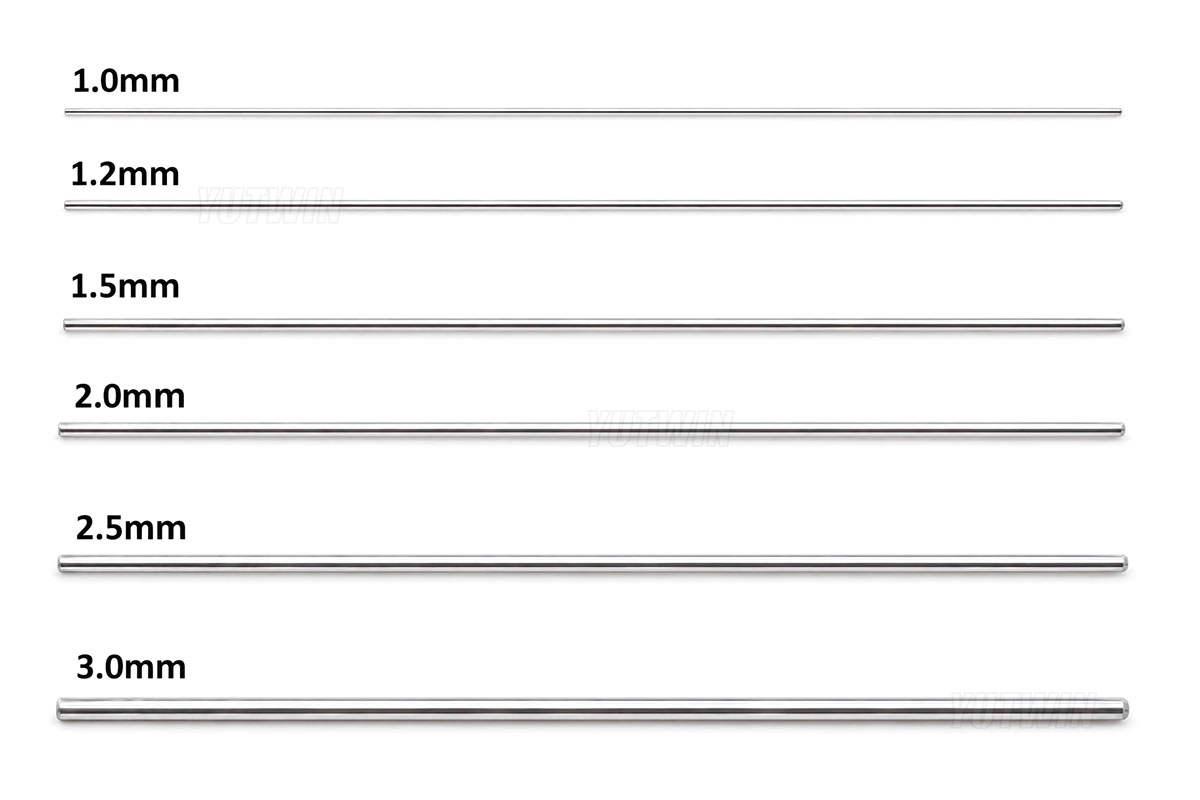
Reasons for Using Ultra-Fine 1070 Aluminum Wire in the Medical Field
1070 belongs to the 1xxx series of high-purity industrial aluminum. With an extremely low impurity content and no risk of toxic substances or heavy metal leaching, it is an ideal material for non-implantable precision medical components, meeting the stringent cleanliness and safety requirements of medical equipment.
- High-Purity Substrate: Al ≥ 99.7% with a uniform composition, low impurity content, and excellent batch-to-batch consistency.
- O-Temper (Soft State): Fully annealed for superior toughness and resistance to brittle fracture; features an 18% elongation rate, making it ideal for complex forming processes.
- High-Quality Surface: Clean and smooth finish post-drawing—free from oil, scratches, or delamination—minimizing defects during further processing.
- Stable Mechanical Properties: Tensile strength of 80.0 MPa, offering an optimal balance between flexibility and structural support.
- Environmental Compliance: RoHS 3.0 compliant, meeting market access requirements for medical sectors in North America, Latin America, and beyond.
- Corrosion Resistance & Sterilization-Ready: Resistant to oxidation and corrosion; compatible with standard medical cleaning and disinfection protocols.
- Precision Dimensional Control: Cold-drawn process ensures consistent diameter tolerances, well-suited for automated, high-precision manufacturing.
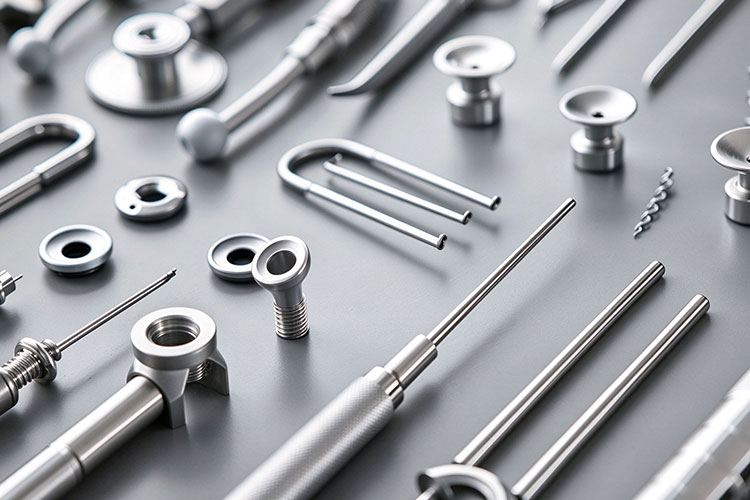
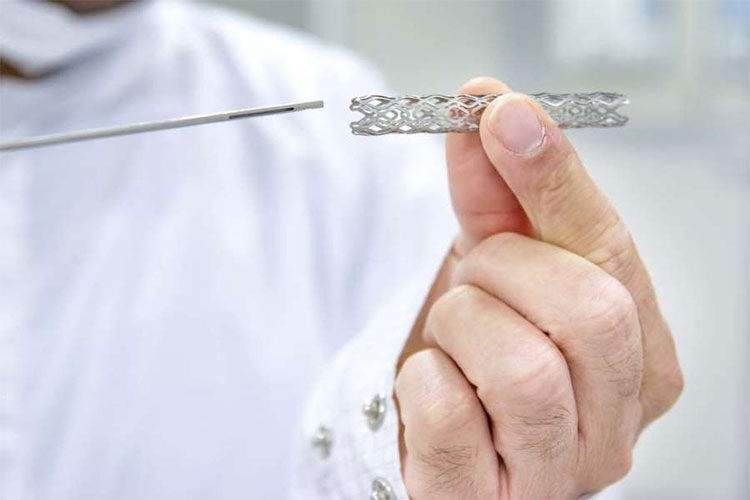
Potential Applications of Aluminum Wire in the Medical Industry
As medical devices trend toward lighter weight, higher precision, and greater functional integration, the use of aluminum wire in certain non-implantable medical devices and auxiliary components warrants attention.
- Conductive Components Within Medical Devices
Aluminum possesses excellent electrical conductivity, making it a potential material for internal wiring, windings, or conductive connectors in certain medical devices. However, its use must be validated against electrical safety standards, connection reliability, and specific device design requirements.
- Auxiliary Structural Components for Medical Instruments
Leveraging the superior formability and bendability of soft-temper aluminum wire, it can be used to fabricate lightweight fasteners, supports, and non-load-bearing auxiliary structures—an ideal solution for precision manufacturing processes that require complex wire geometries.
- Heat Dissipation Components for Medical Devices
Given its high thermal conductivity, aluminum can be utilized for heat dissipation aids and thermal management components in medical instruments, helping to meet requirements for both reduced weight and efficient heat transfer.
- Auxiliary Wire in Medical Device Manufacturing
For auxiliary components in medical devices that require winding, bending, or shaping, soft-temper aluminum wire offers excellent processing flexibility.