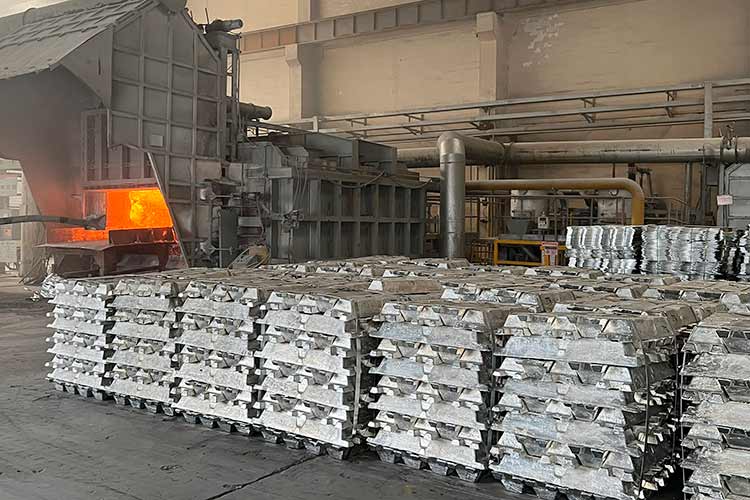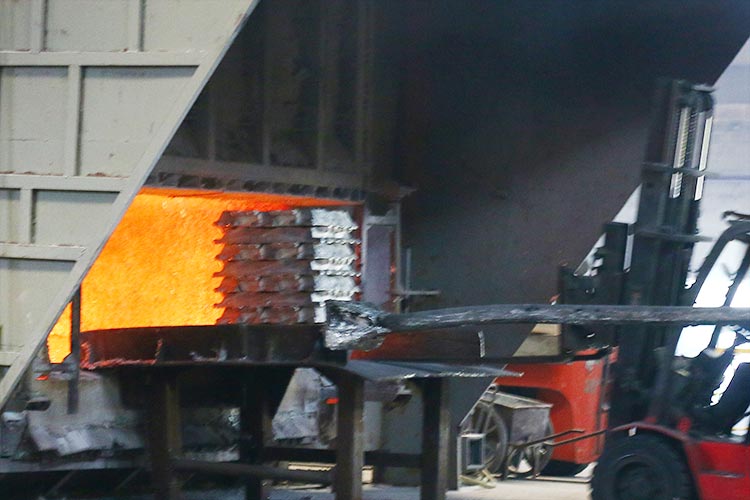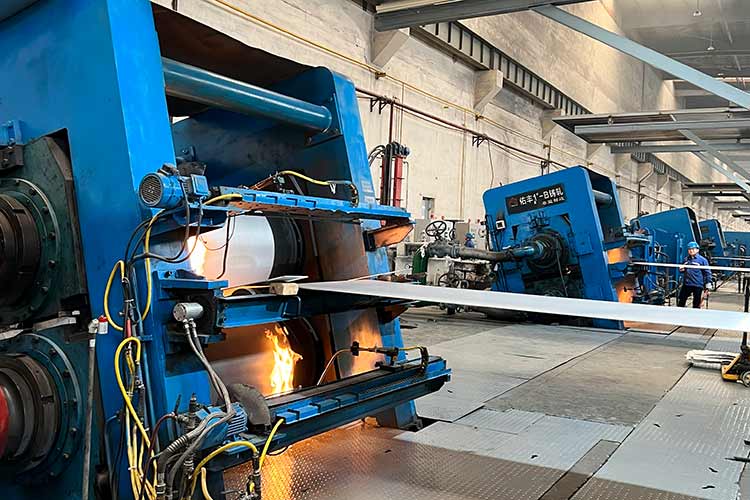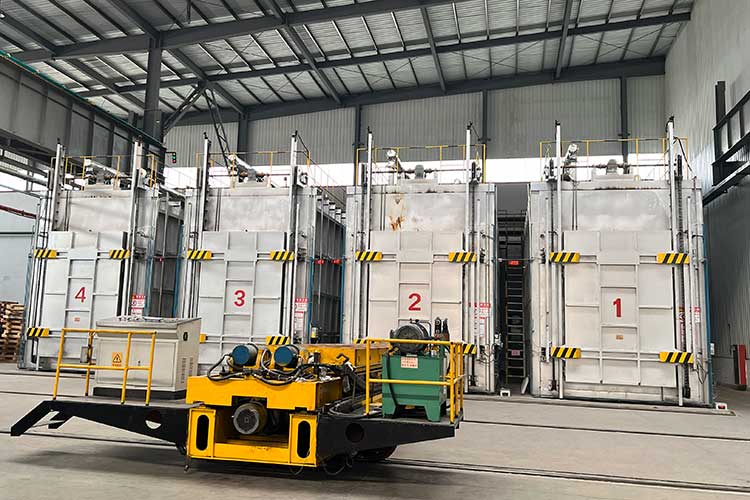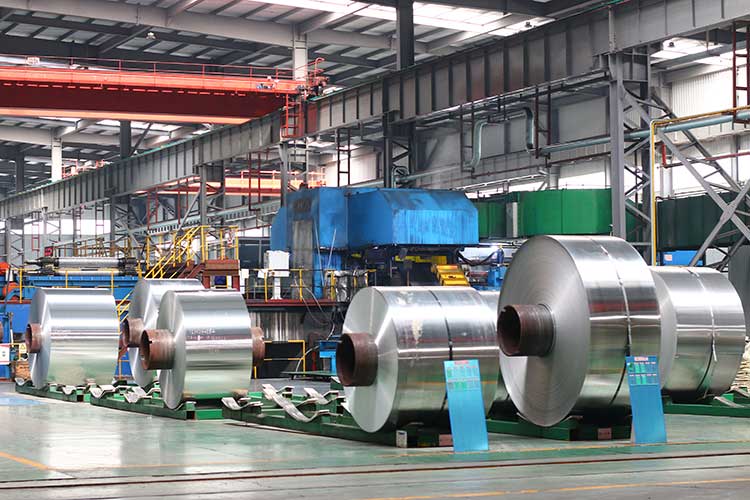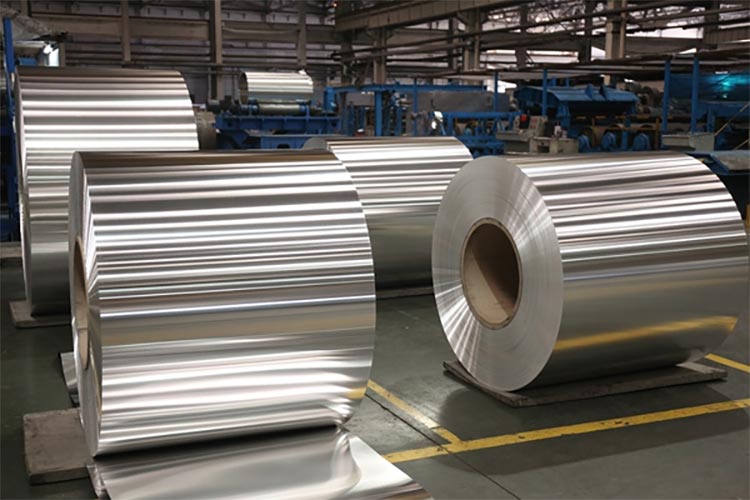
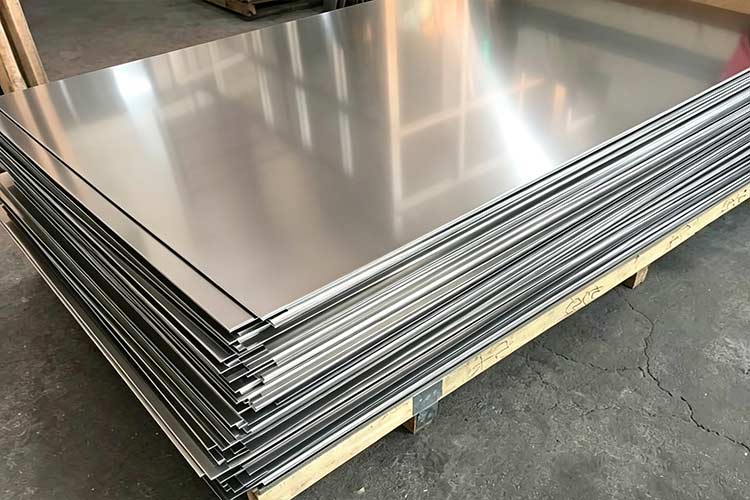
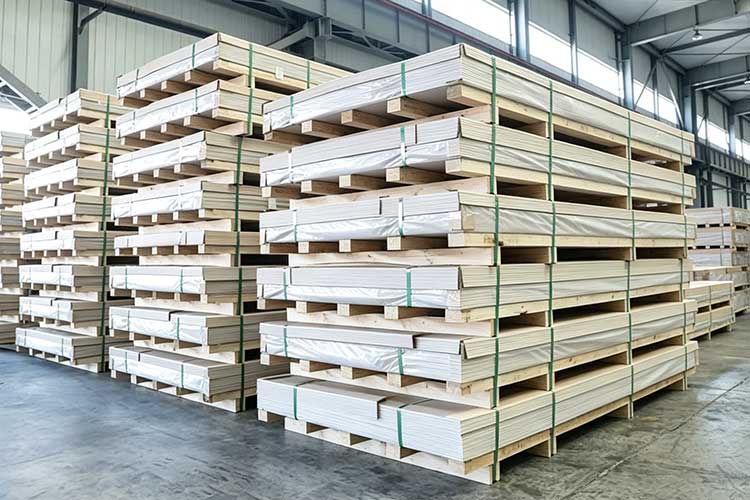
The 5082 aluminum sheet is an aluminum-magnesium (Al-Mg) alloy sheet belonging to the 5xxx series of corrosion-resistant aluminum alloys. With magnesium (Mg) as its primary alloying element, it exhibits excellent corrosion resistance, weldability, and formability. This alloy is a non-heat-treatable grade, meaning its strength is primarily enhanced through cold working.
Description
Yutwin New Materials
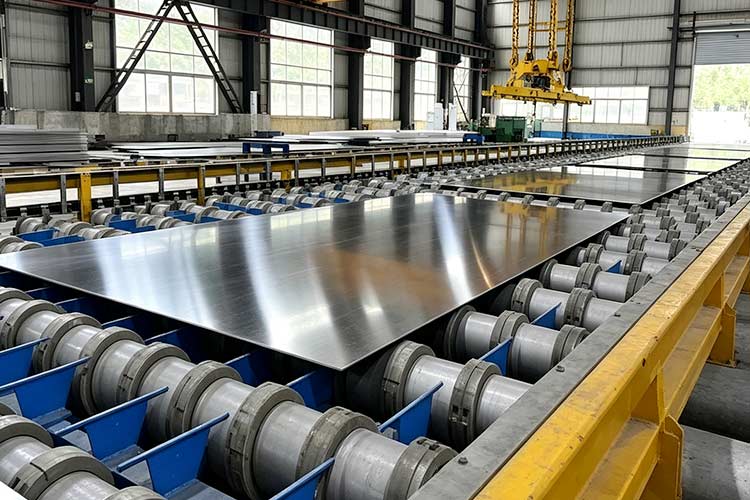
Yutwin New Materials specializes in the production of aluminum sheets and coils in a wide range of alloys, grades, and specifications, offering stable quality, flexible customization, and reliable supply to meet the diverse needs of different industries.
Features
- Excellent Corrosion Resistance
It demonstrates exceptional corrosion resistance in marine environments, industrial atmospheres, and various chemical media, performing particularly well against seawater corrosion and stress corrosion cracking.
- Excellent Weldability
It supports various welding methods (such as TIG, MIG, and spot welding), offering good weld strength and ductility with a low tendency for cracking.
- Moderately High Strength
High mechanical strength can be achieved through cold work hardening (e.g., H18, H19, or H38 tempers), significantly exceeding that of 3000-series alloys (such as 3003) and some low-magnesium 5000-series alloys (such as 5052).
- Excellent Formability
It exhibits good cold-working and stamping characteristics in the annealed state.
Specifications
| Item | Description |
|---|---|
| Standard Thickness | 0.2–6.0mm |
| Standard Width | 1000–2600 mm |
| Chemical Composition (%) | Al: Balance; Mg: 4.0–5.0; Fe: ≤0.35; Si: ≤0.20; Mn: ≤0.15; Cr: ≤0.15; Cu: ≤0.15; Zn: ≤0.25; Ti: ≤0.10 |
| Density | Approx. 2.66 g/cm³ |
| Tensile Strength (Rm) | 210–270 MPa |
| Yield Strength (Rp0.2) | 110–220 MPa |
| Elongation (A) | 5–25% |
| Elastic Modulus | Approx. 70 GPa |
| Surface Treatment | Anodizing, painting, polishing, brushing, and embossing |
| Temper | O, H12, H14, H24, H32, H34, H36, H38 |
Common Aluminum Surface Treatments

Polishing
Polishing uses mechanical grinding, chemical, or electrochemical methods to improve the smoothness and brightness of aluminum surfaces. Polished aluminum features a high-gloss finish and excellent decorative appearance.

Brushing
Brushing is a surface treatment process that creates fine, directional textures on aluminum using abrasive belts or brushes. The brushed surface provides a refined metallic appearance while helping conceal minor scratches.
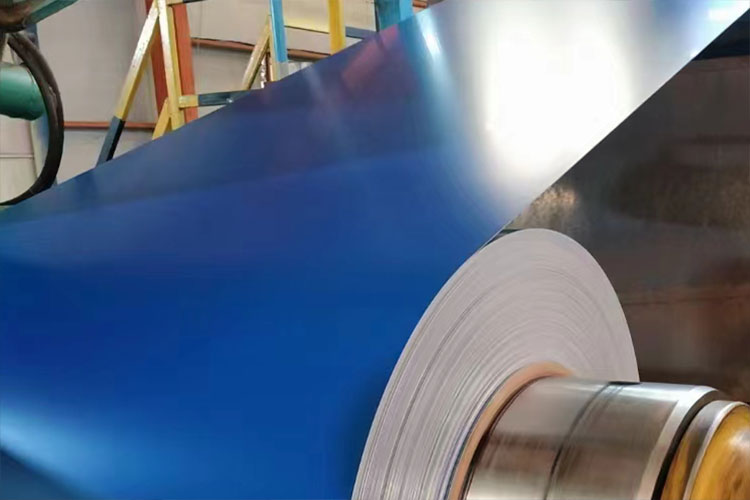
Coating
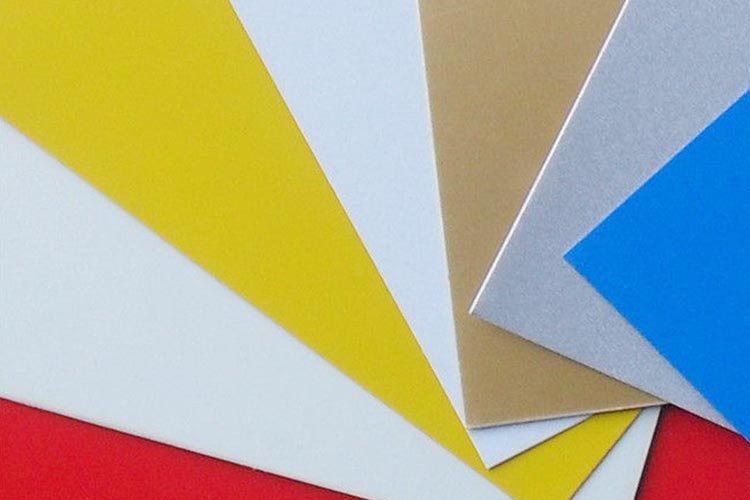
Coating applies a protective coating onto the aluminum surface through powder coating, liquid spraying, or other coating methods. It provides excellent weather resistance, corrosion protection, and a wide range of color options. Coated aluminum offers both decorative appeal and long-term durabilit.

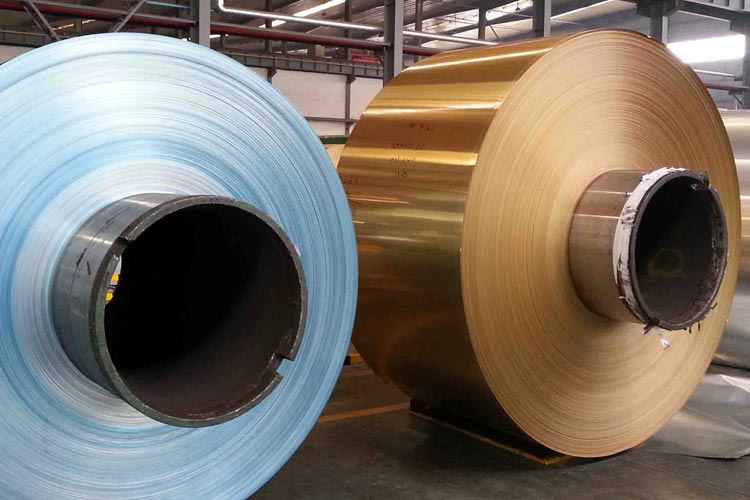
Anodizing
Anodizing is an electrochemical process that forms a dense oxide layer on the aluminum surface, improving corrosion resistance, wear resistance, and surface hardness. The oxide layer can also be colored to achieve various finishes.

Sand Blasting
Sand blasting uses high-speed abrasive particles to impact the aluminum surface, creating a uniform matte texture. This process provides a soft metallic appearance, reduces fingerprint marks, and improves coating adhesion for subsequent finishing processes.
Embossing
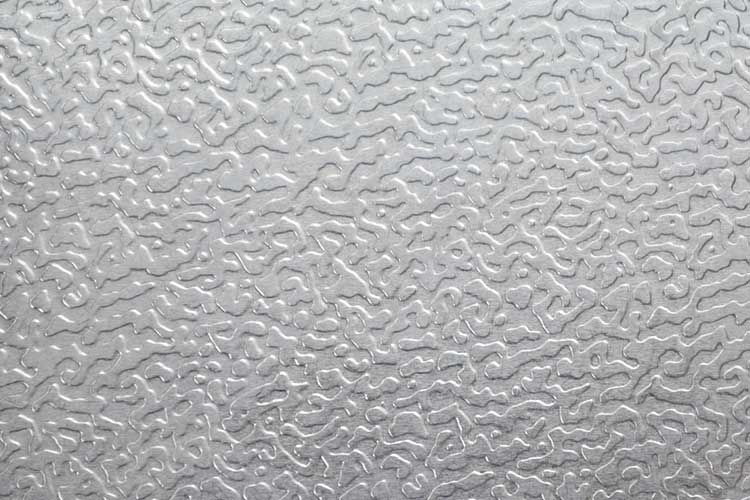
Embossing is a process that forms raised or recessed patterns on aluminum surfaces through rolling or stamping. Common patterns include stucco, diamond, and wood grain textures. Embossed aluminum offers excellent decorative effects, scratch resistance, and certain anti-slip properties.
Typical Applications
- Marine and Shipbuilding Industries
Yacht and ship hull plating, structural components, decking, and corrosion-resistant pipe fittings for offshore drilling platforms.
- Transportation Vehicles
Body panels for heavy-duty trucks and trailers, exterior panels for refrigerated containers, and structural components for passenger trains and subway cars.
- Packaging and Can Manufacturing
Due to its excellent deep-drawing and formability characteristics, it is widely used to manufacture can ends, pull tabs, and similar components.
- Chemical Industry and Pressure Vessels
Storage tanks for chemical raw materials, piping, pressure vessels, cryogenic equipment, etc.