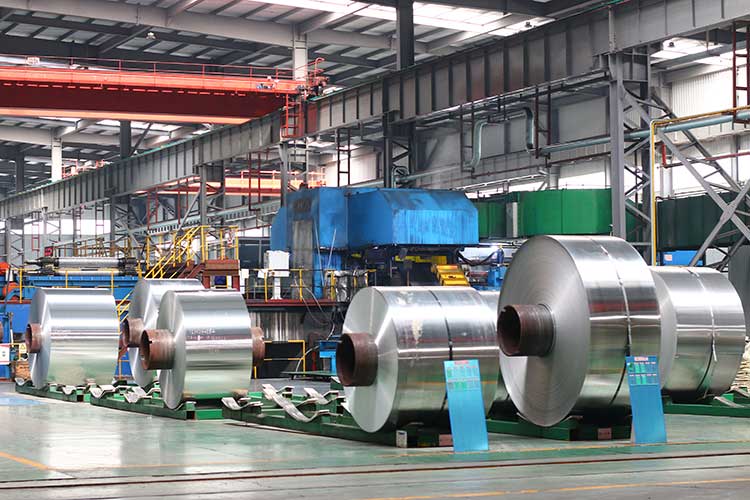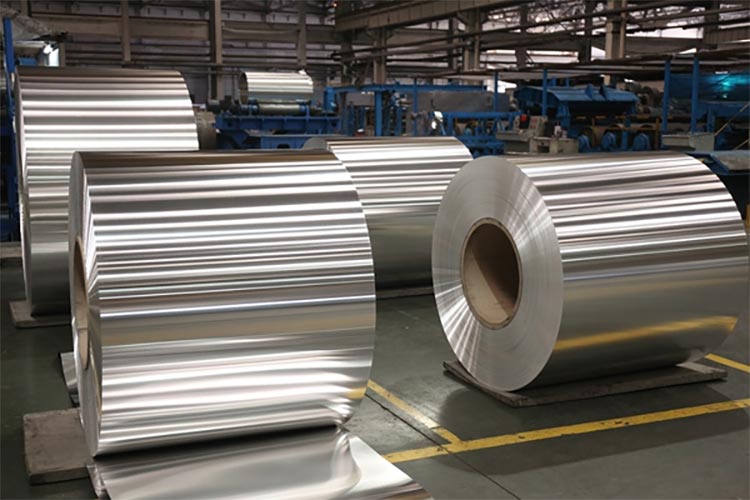
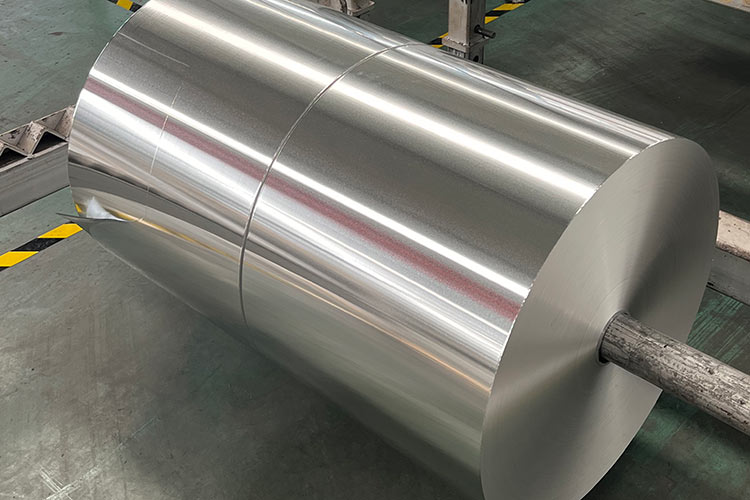
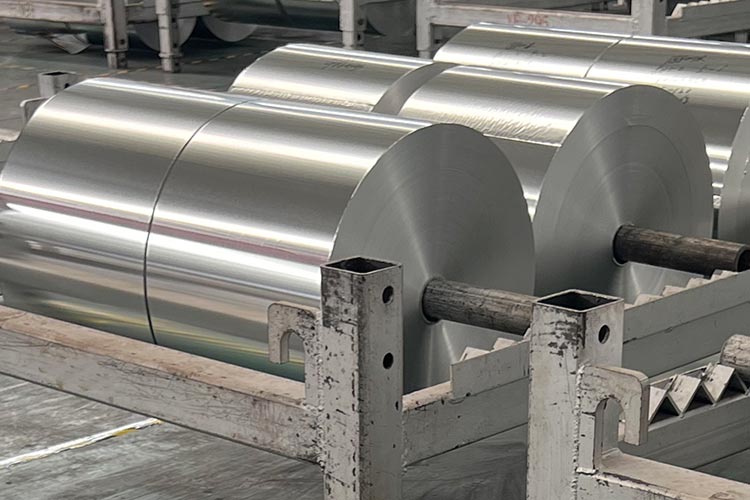
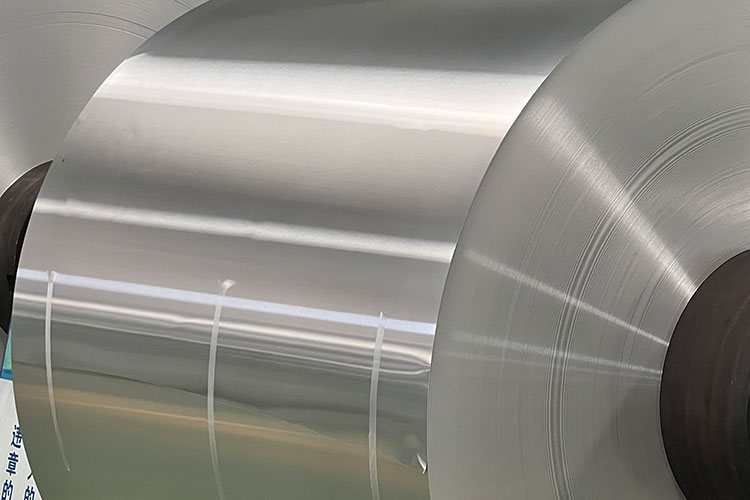
8021 Aluminum Foil Jumbo Rolls
8021 aluminum foil belongs to the 8xxx series of aluminum-iron (Al-Fe) alloy foils. It is a medium-to-high-strength precision aluminum foil specifically engineered for applications demanding strict requirements regarding high barrier properties, deep-drawing formability, and exceptional cleanliness. Its core advantage lies in achieving a perfect balance among cold formability, barrier performance, and corrosion resistance. 8021 foil is widely utilized in the packaging sector—particularly in scenarios where protection against moisture, oxygen, and light is critical—such as in the packaging of food products, pharmaceuticals, and medical devices.
Description
Yutwin New Materials
Yutwin New Materials is committed to providing high-quality aluminum foil solutions to the global market, combining durability, safety, and cost-effectiveness. Our product range covers everything from standard household aluminum foil to industrial jumbo rolls and specialty aluminum foils. In addition to standard specifications, we also offer customized solutions based on customers’ technical requirements, including tailored thickness, width, surface treatment, and packaging options.
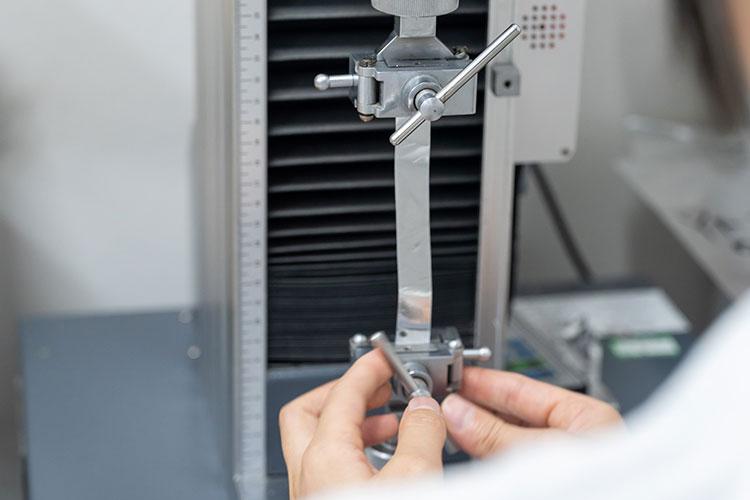
Our 8021 aluminum foil jumbo rolls are manufactured using mature production processes and advanced rolling technology, supported by a strict quality control system to ensure stable performance and high batch-to-batch consistency. The product features excellent elongation and tensile strength, with outstanding formability and crack resistance, making it suitable for various further processing applications such as stamping, laminating, embossing, and coating.
Features of 8021 Aluminum Foil
- Barrier Properties
One of the main advantages of 8021 aluminum foil is its excellent barrier properties against moisture, oxygen, and light. This makes it ideal for applications requiring long-term protection, such as in food packaging and pharmaceutical products.
- Corrosion Resistance
8021 alloy has good resistance to corrosion, making it ideal for applications that are exposed to harsh environmental conditions, including moisture and chemicals.
- Strength
While not as strong as higher-strength alloys like 5052, 8021 offers a good balance between strength and flexibility, making it suitable for lightweight yet durable applications.
- Formability
8021 aluminum foil is highly formable and can be easily shaped into various products, including flexible packaging, insulation, and industrial materials.
- Thermal and Electrical Conductivity
The alloy retains good thermal and electrical conductivity, which is useful for heat exchangers and electronic applications.
- Food-Safe
8021 aluminum foil is often used in food packaging, as it is non-toxic and provides a reliable protective barrier, ensuring food remains fresh and free from contaminants.
- Printable
The surface of 8021 aluminum foil can be printed on, making it suitable for customized packaging, branding, and labeling.
Specifications
| Parameter | Description |
|---|---|
| Alloy | 8021 |
| Chemical Composition (%) | Al ≥ 99.0, Fe ≤ 0.6, Si ≤ 0.25, Cu ≤ 0.05, Mn ≤ 0.05, Zn ≤ 0.1, Ti ≤ 0.1, Others ≤ 0.05 |
| Temper | O (Soft), H14, H18 |
| Thickness Range | 6 – 100 μm (commonly 9 / 12 / 15 μm) |
| Width | Customizable |
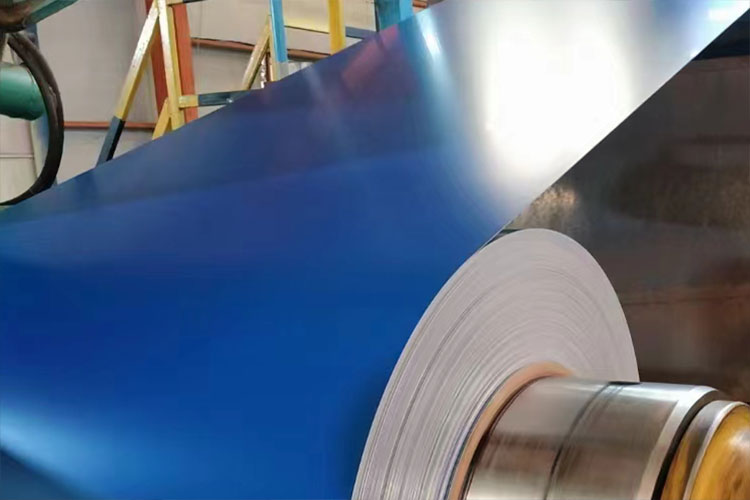
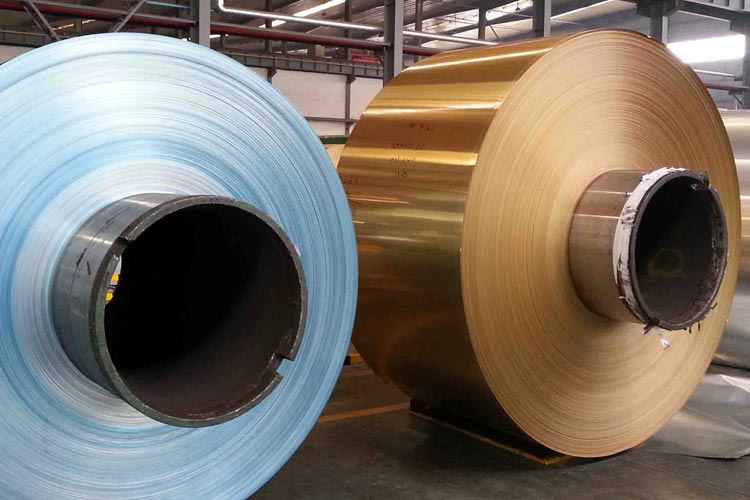
| Surface Finish | Bright / Matte / Coated |
Conmon Applications
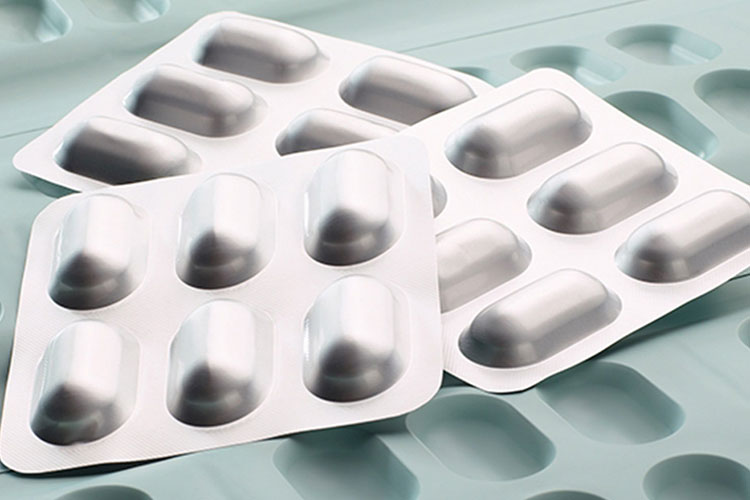
- Cold-Formed Blister Packaging
Designed for highly sensitive, long-acting pharmaceuticals (capsules/tablets); cold-stamped into blister cavities, offering superior moisture resistance, light shielding, and efficacy preservation—serving as a direct replacement for traditional PTP aluminum foil.
- Food Packaging
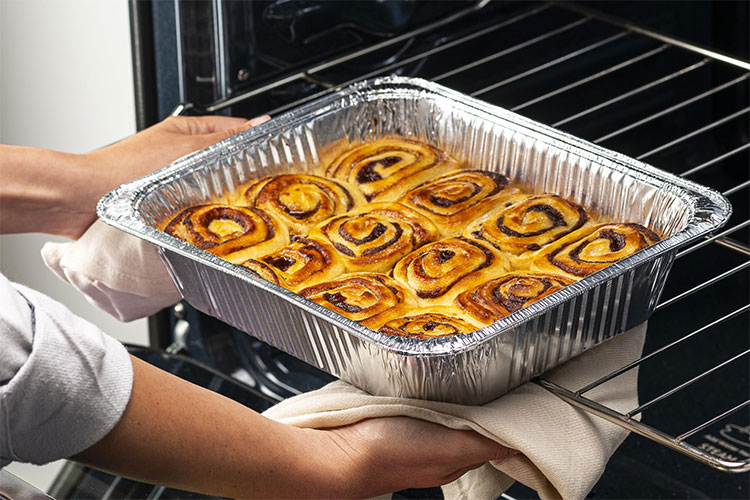
Used for food containers requiring deep-drawing capabilities, high-temperature resistance, and high barrier properties.

- New Energy Batteries
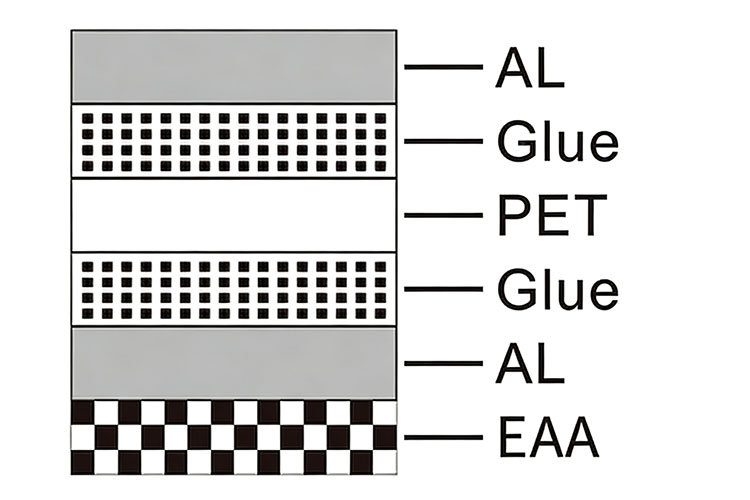
Utilized as the intermediate barrier layer in aluminum-plastic laminate films; features excellent resistance to electrolytes, puncture resistance, and formability into battery casings—serving as a core material for pouch-type batteries.
Post-processing
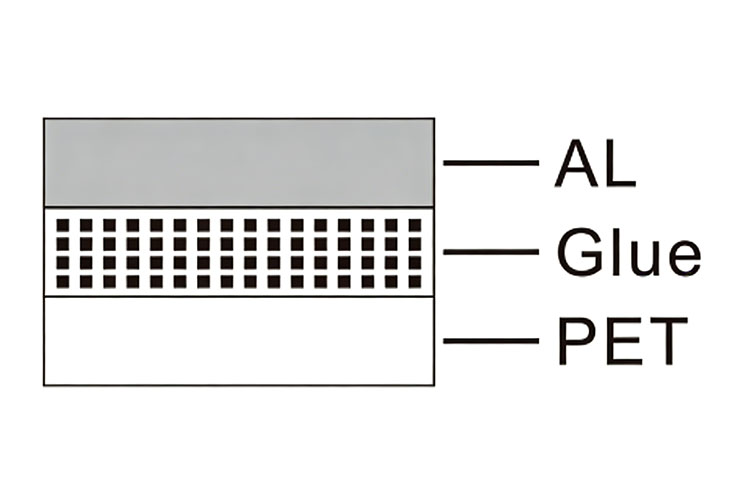
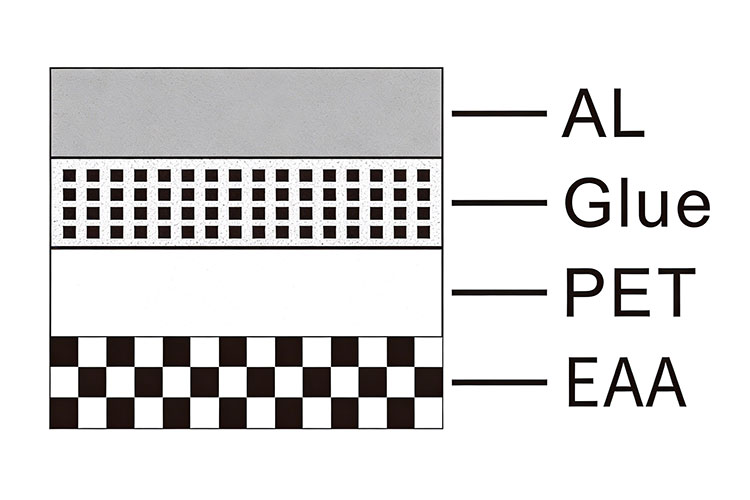
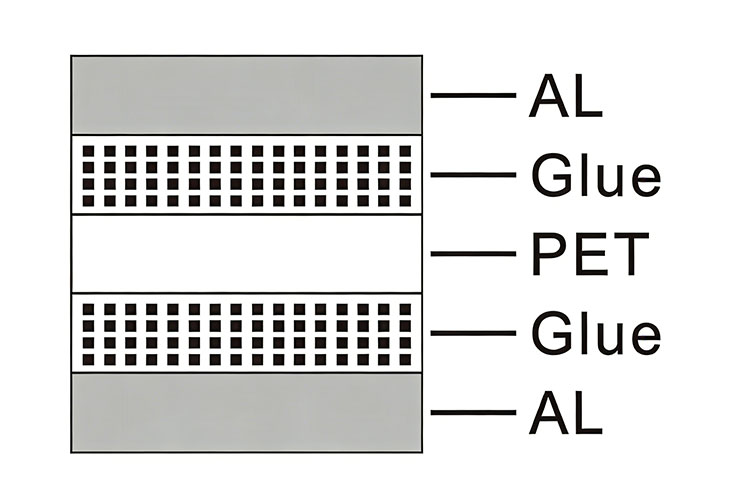
8021 aluminum foil can be laminated with materials such as PE or EVA to create airtight packaging structures. It demonstrates high thermal resistance (capable of withstanding pasteurization and UHT sterilization) and corrosion resistance, remaining stable and non-leaching within acidic or alkaline food environments.
How do we produce superior 8021 aluminum foil?
- Melting & Purification
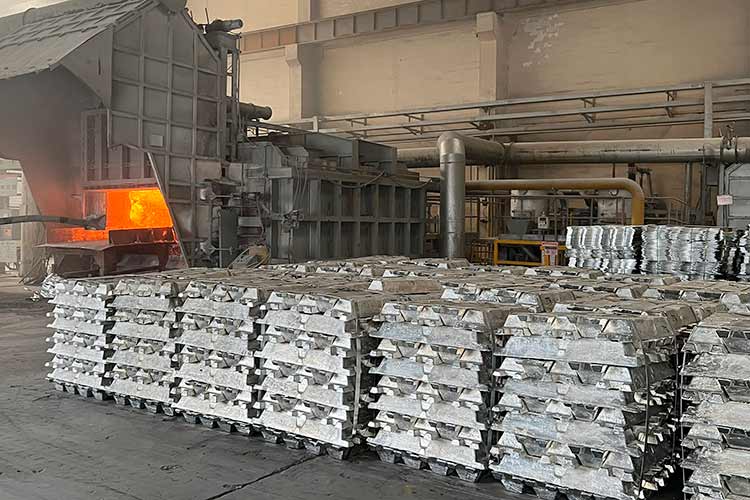
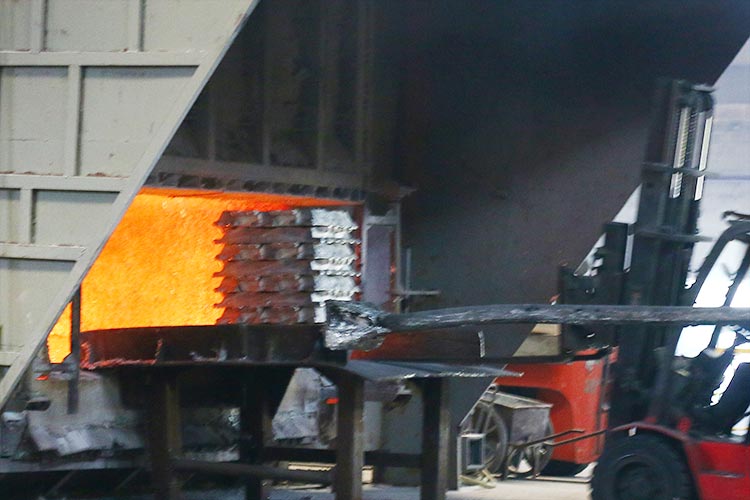
High-purity aluminum ingots with precisely controlled iron addition are used. Online degassing (hydrogen content ≤ 0.11 ml/100g) combined with multi-stage filtration effectively removes inclusions and gas porosity, ensuring high melt cleanliness.
- Ingot Preparation
Slabs are produced via DC casting or hot rolling into 5.5–7.5 mm gauges, followed by homogenization annealing (480°C × 10–20 h) to optimize phase structure and improve microstructural uniformity for subsequent processing.
- Precision Rolling
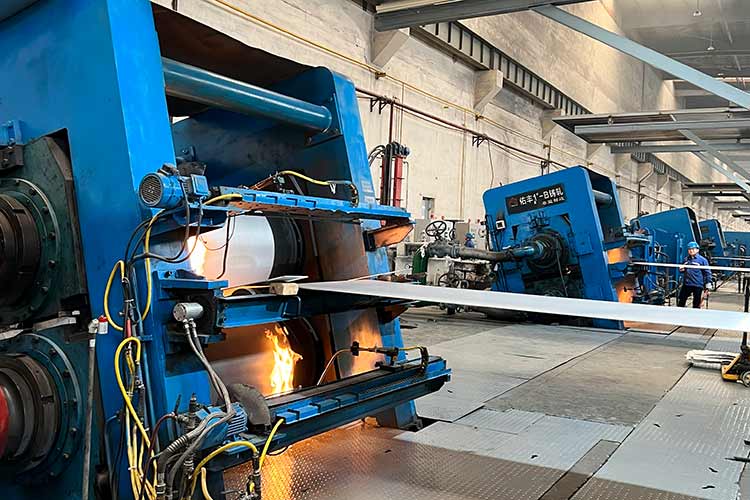
A process route of cold rolling → intermediate annealing → foil rolling (tandem rolling with doubled sheets) is adopted. Multiple light reduction passes ensure excellent flatness and tight thickness tolerance.
- Final Annealing
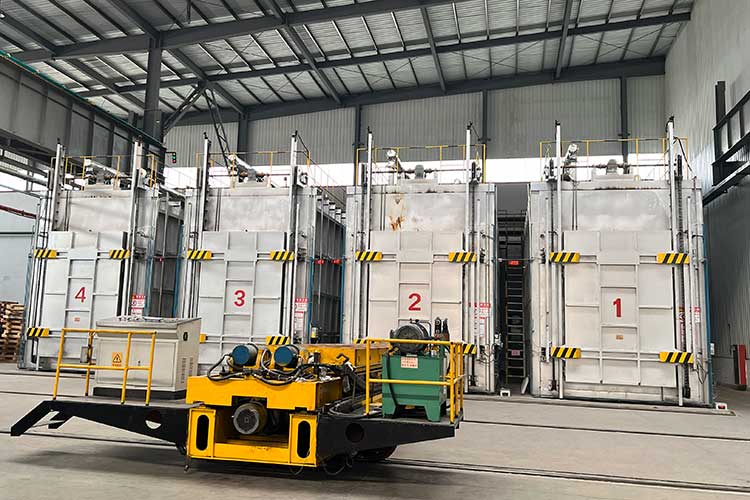
Low-temperature full annealing is applied to precisely balance strength and ductility, meeting requirements for high-end forming applications.