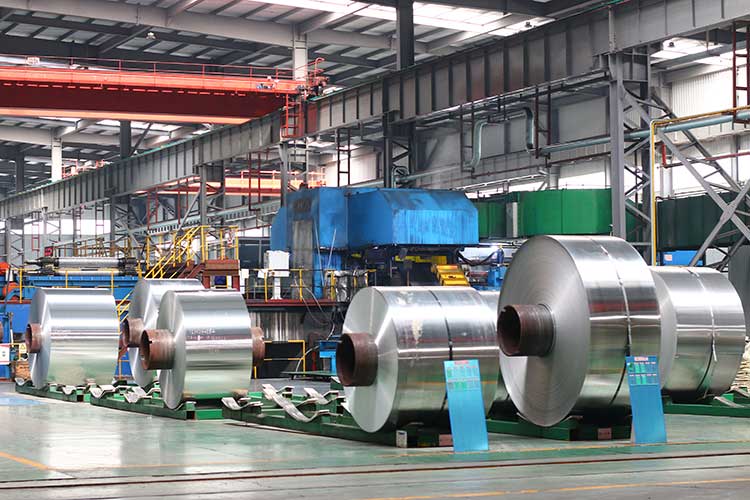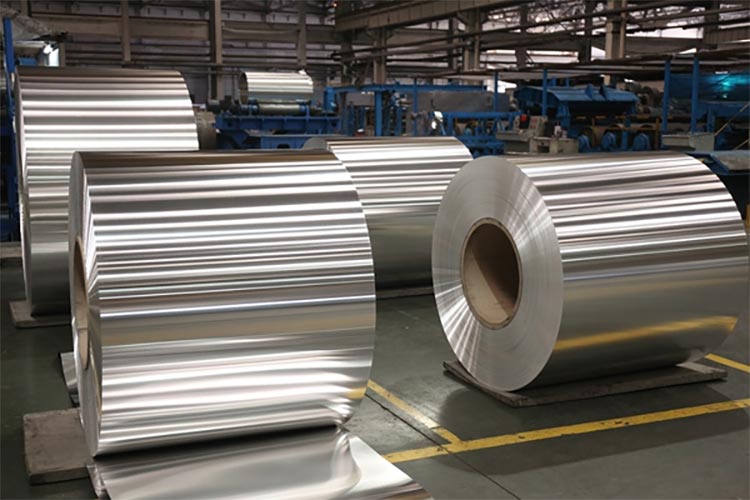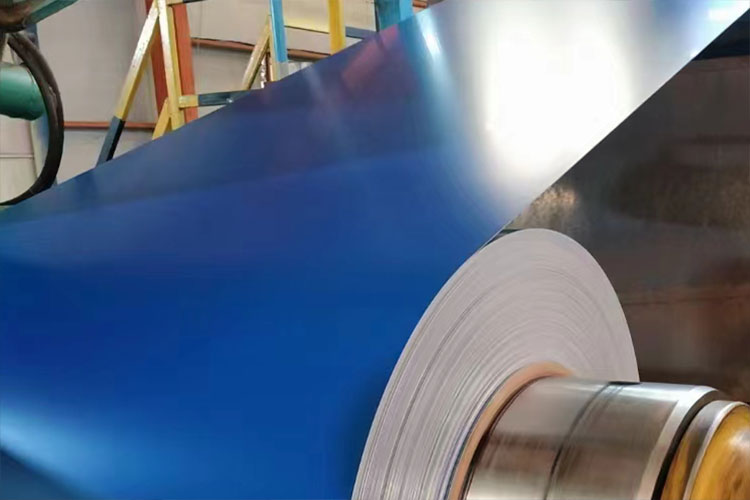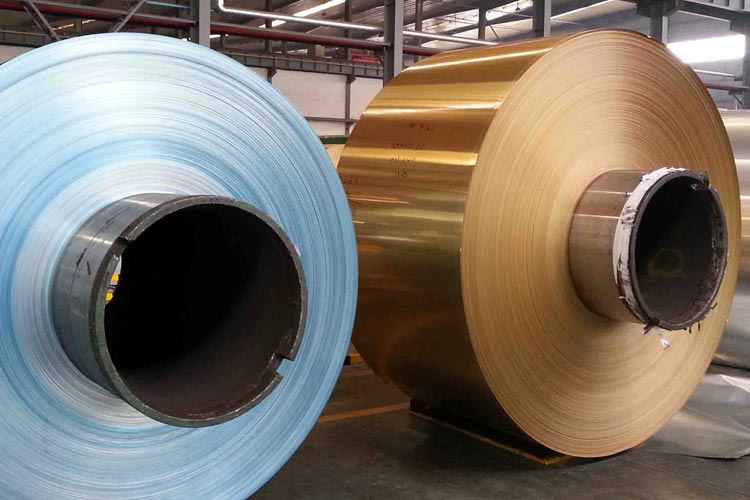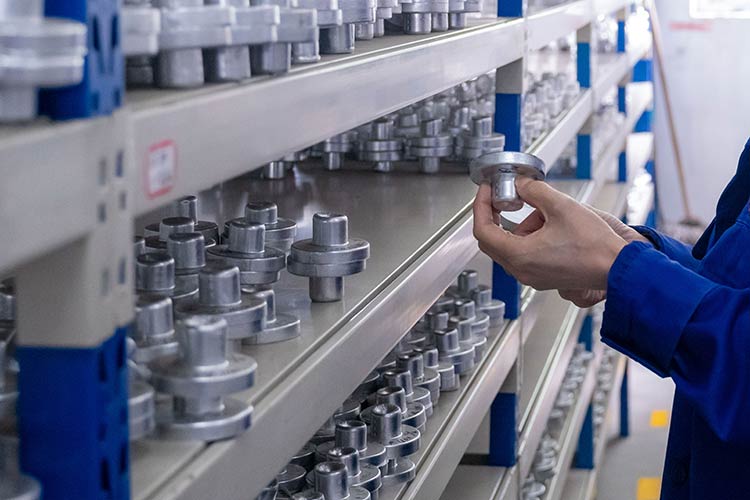
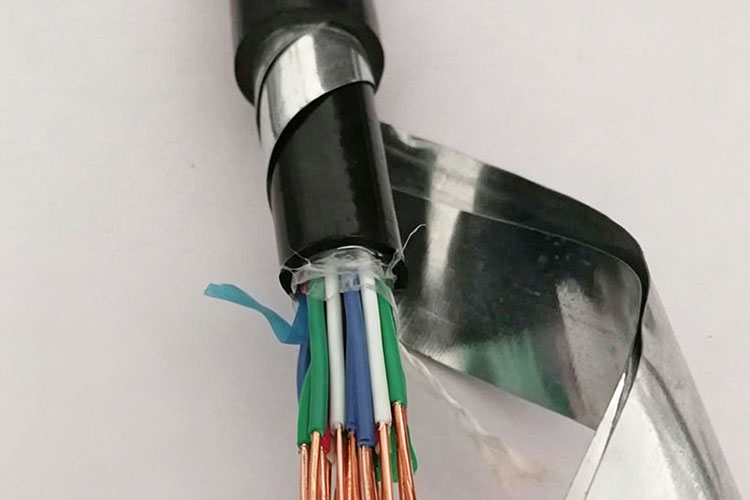
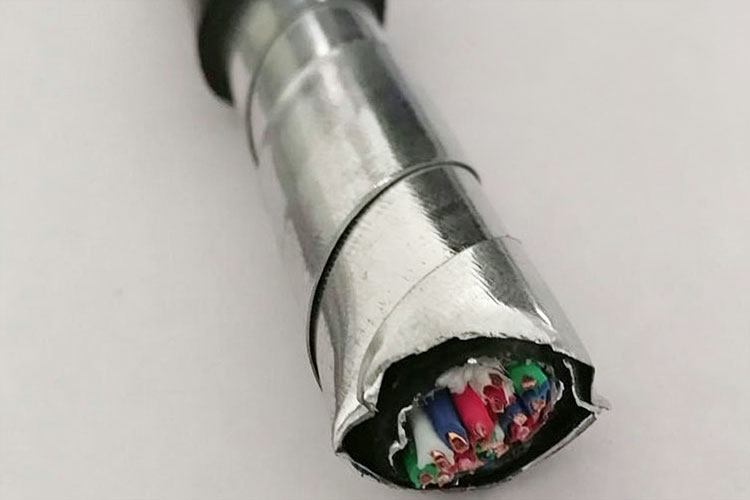
Cable foil is used to manufacture cables for a variety of applications, including power cables and communication cables. It is commonly used in high-performance cables such as telecommunications, data transmission, and distribution cables. Aluminum foil helps reduce noise and crosstalk between conductors within the same cable, thus maintaining signal integrity. Compared to other metals, aluminum foil is an inexpensive material, making it an economical choice for manufacturers.
Description
Features
- Excellent shielding performance against electromagnetic interference (EMI).
- High conductivity and flexibility, suitable for current transmission and winding.
- Corrosion-resistant and moisture-proof, extending cable service life.
- Good mechanical properties, puncture and tear-resistant.
- Compatible with various insulation materials, enhancing overall cable performance.
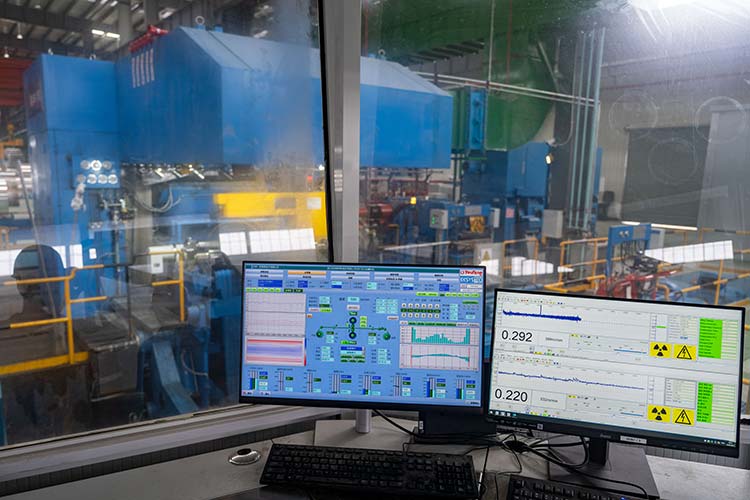
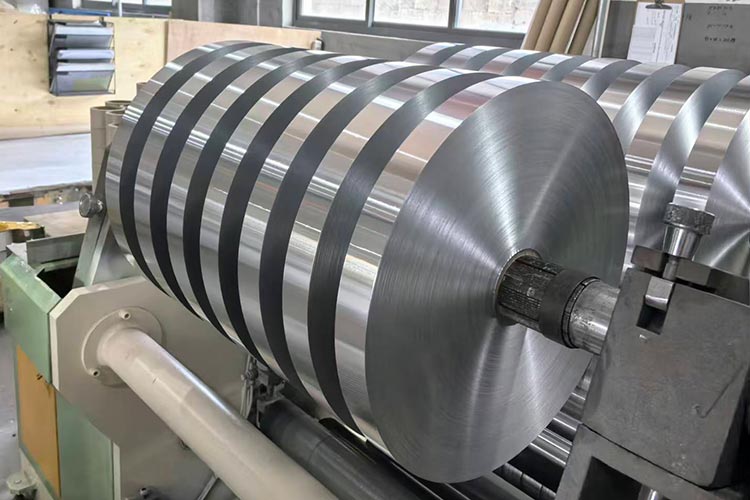
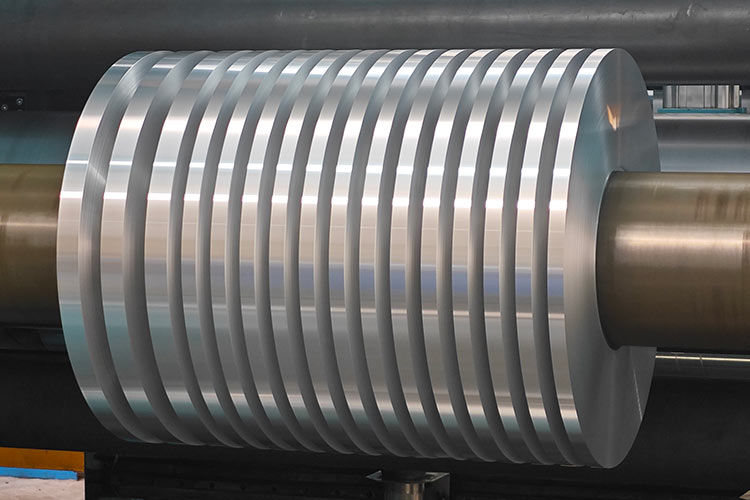
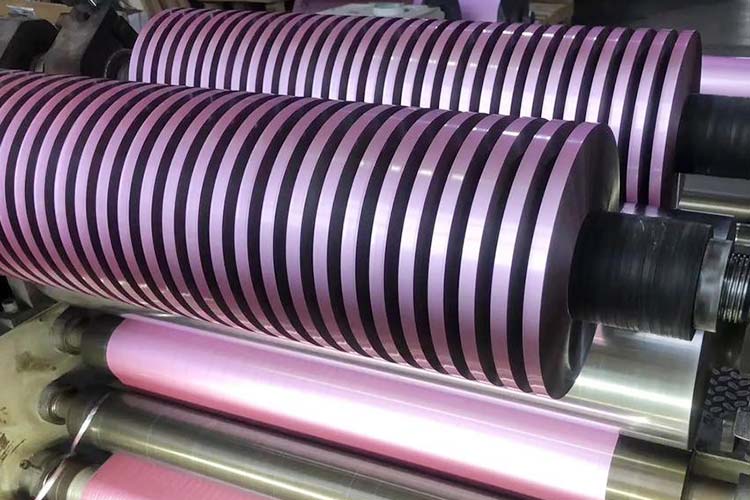
Yutwin New Materials Co., Ltd. specializes in supplying high-quality aluminum foil materials for cable wrapping. We provide pipe manufacturers and engineering contractors with stable, reliable, and cost-effective raw material solutions.
Technical Specifications
| Item | Specification |
|---|---|
| Alloy | 8011 / 1235 |
| Temper | O (Soft) |
| Thickness Range | 6 – 50 μm (commonly 9 / 12 / 15 / 20 μm) |
| Width | Customizable |
| Surface Treatment | Bright / Coated for corrosion resistance |
| Special Features | Heat-resistant, fire-resistant, corrosion-resistant |
Structure
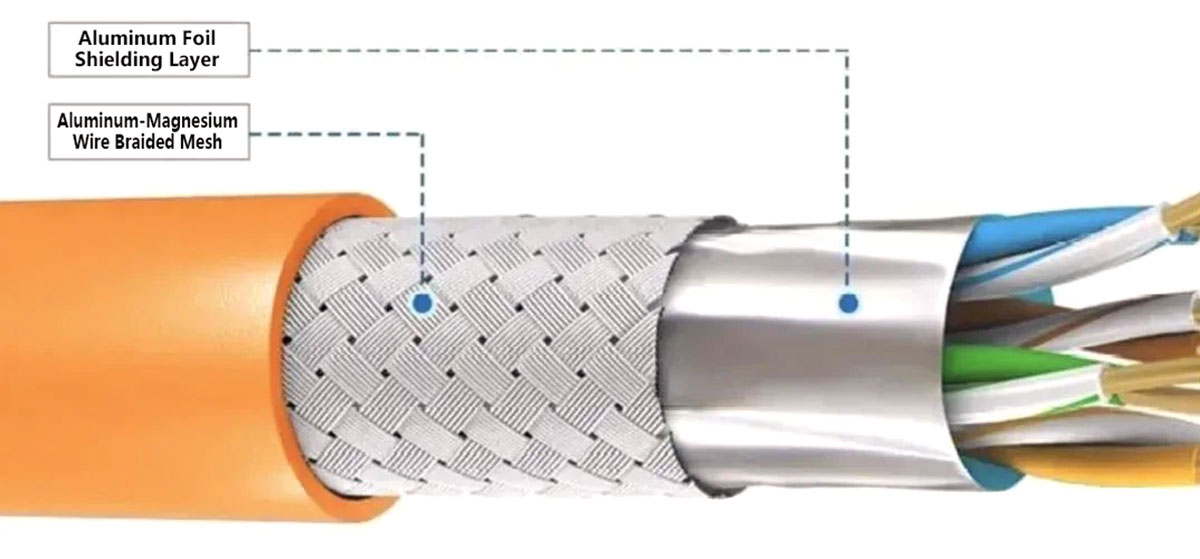
In cables, aluminum foil can be wrapped around the inner conductor or braided into a braided structure. It can also be used as part of a multi-layered structure, often in combination with other materials such as plastic insulation, metal braids, and other conductive layers.
How to Choose High-Quality Aluminum Foil for Cables?
- Prioritize Raw Material Verification
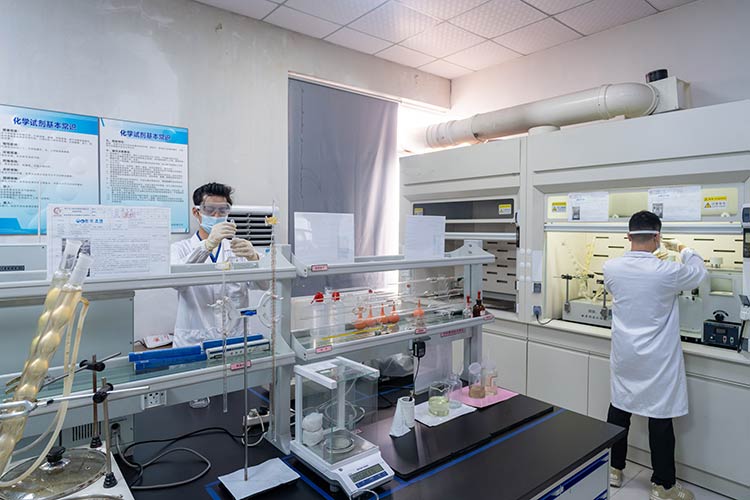
The purity of the aluminum foil should not be lower than 99.5%, with a thickness range of 6–50 μm. Higher aluminum purity is directly associated with better shielding performance. Plastic substrates should be selected according to application requirements: Polyethylene (PE) is suitable for humid environments, while Polyester (PET) is recommended for high-temperature applications. The adhesive used in the laminate should possess excellent aging resistance, with a tested peel strength of ≥1.5 N/cm. Buyers are advised to request material test reports from suppliers to verify product quality and ensure strict control of hazardous substances.
- Verify Manufacturing Process Standards
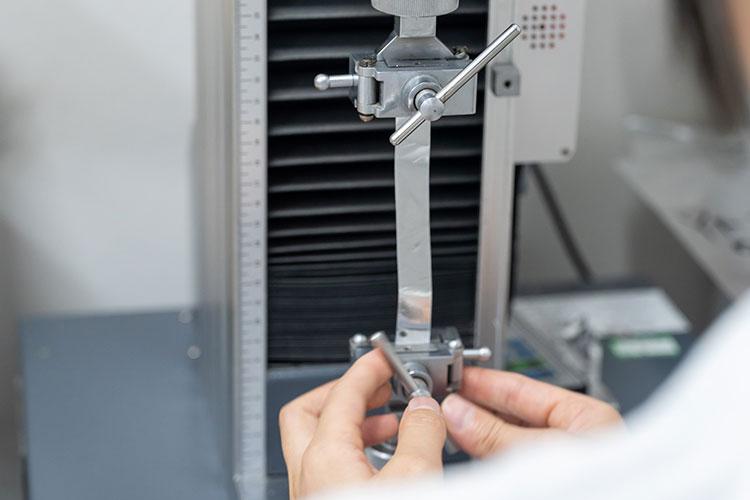
A qualified aluminum-plastic laminated foil should feature a uniform and dense bonding layer, free from bubbles, delamination, or other defects. The surface should be smooth and flat, while the cut edges should be clean and burr-free. The shielding performance should be tested in accordance with ASTM D4935, with a minimum shielding effectiveness of 60 dB. The product should withstand 180° bending without cracking, indicating sufficient flexibility. Standard operating temperatures should cover -40°C to 80°C, meeting the requirements of most demanding applications.
- Select Products According to Application Requirements
For cable shielding applications, products with an aluminum layer thickness of 20 μm or greater are recommended to ensure high conductivity and reliable electromagnetic shielding performance. In addition, the product should comply with internationally recognized certifications, including ISO 9001 Quality Management System Certification and RoHS Environmental Compliance, to guarantee consistent quality and environmental safety.