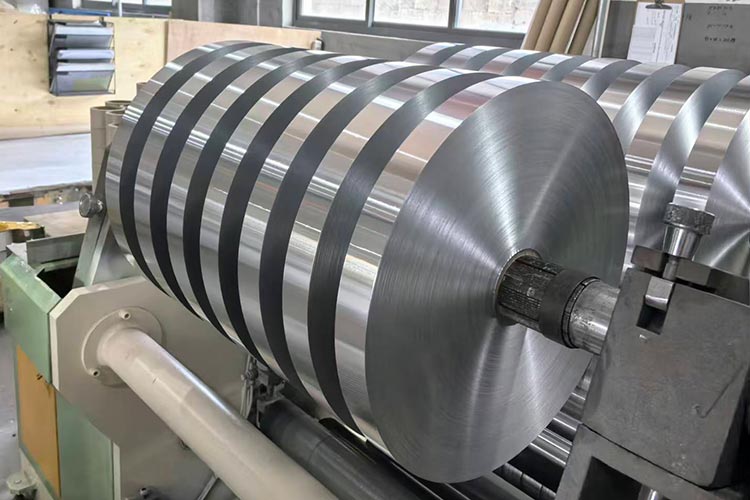
Aluminum Foil for Ventilation Ducts

Home » Aluminum Foils » Aluminum Foil Applications » Aluminum Foil for Ventilation Ducts

Aluminum foil is a high-performance material widely used in heating, ventilation, and air conditioning (HVAC) systems for air distribution, insulation wrapping, vapor barriers, and flexible ductwork. Its excellent corrosion resistance, heat reflectivity, and long-term durability make it an indispensable component of modern building ventilation systems.

Yutwin Composite Laminated Aluminum Foils

With mature dry film lamination technology and well-established manufacturing processes, Yutwin provides OEM/ODM customization based on customers’ requirements for material structure, thickness, width, color, surface treatment, and performance. Our composite aluminum foil solutions are designed to meet the diverse needs of cable wrapping, HVAC ductwork, building insulation, thermal protection, and industrial packaging applications.

Specifications

ItemSpecification
Width5.0–1500 mm
Composite structure
AL+PET
AL+PET+AL
AL+PET+EAA
AL+PET+AL+EAA
Aluminum Alloy8011 / 3003 / 1100
TemperO / H14 / H18 / H24
Aluminum Foil Thickness0.006–0.050 mm
PET Thickness0.007–0.125 mm
Core ID76 ± 0.5 mm or 105 ± 0.5 mm
Outer Diameter (OD)250–650 mm
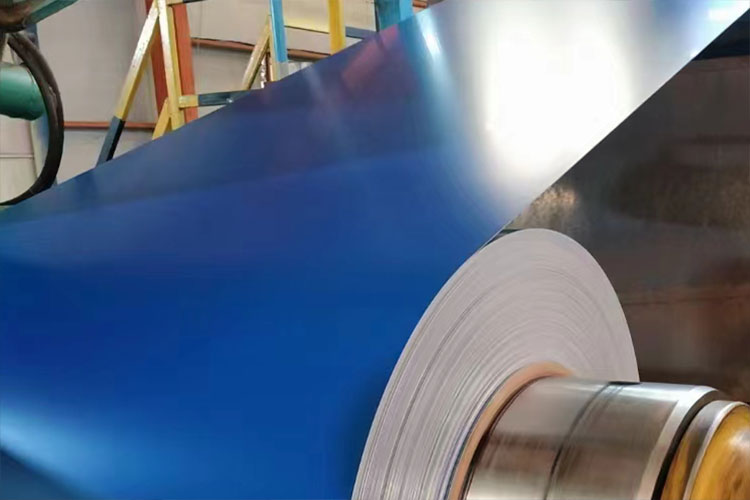
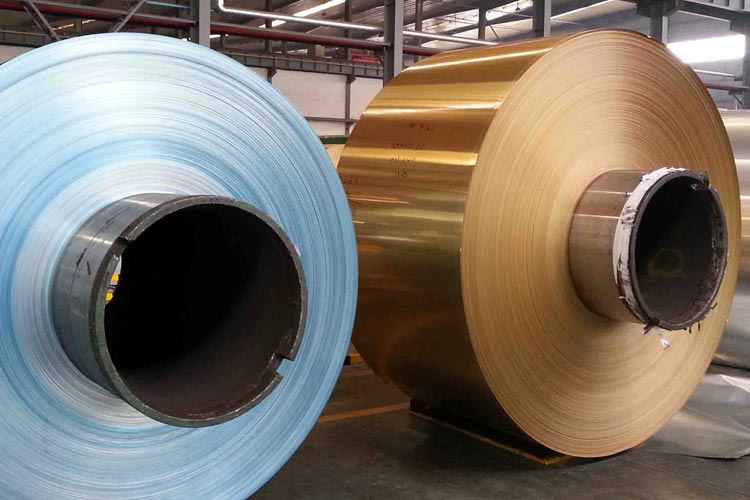
ColorsGold, Silver, Glossy Black, Matte Black, Blue, Copper, Orange, Silver White
StandardASTM / EN / GB

Typical Applications

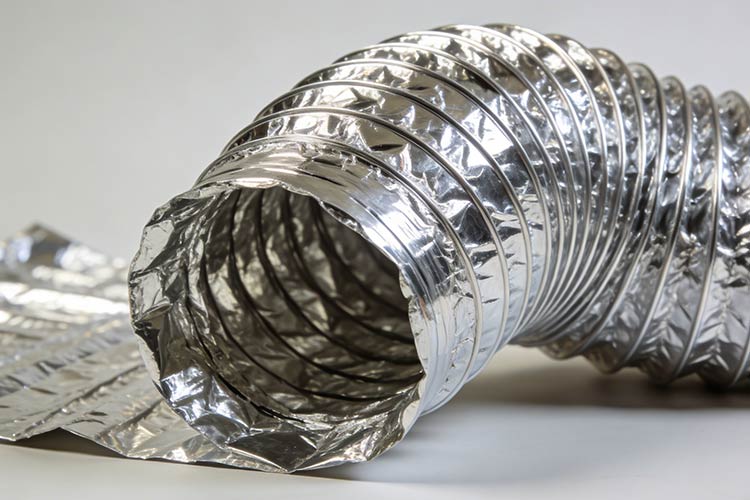
Aluminum foil ventilation ducts are ventilation pipes made of aluminum foil composite materials. They feature good sealing, high strength, and easy installation, and are suitable for low- and medium-pressure heating, cooling, ventilation, exhaust, and air conditioning systems.

  • Residential HVAC

Household and commercial central air conditioning, fresh air systems, kitchen exhaust, and bathroom ventilation; flexible aluminum foil ducts are ideal for tight ceiling spaces and sharp turns.

  • Industrial Ventilation

Electronics cleanrooms, food processing workshops, pharmaceutical clean zones, and hot air delivery in drying equipment; composite panel ducts are used in cleanroom and temperature & humidity controlled systems.

  • Public Buildings

Centralized ventilation in airports, hospitals, and shopping malls, offering both lightweight advantages and integrated insulation performance.
Why Are Air Ducts Wrapped with Aluminum Foil?

  • Sealing Air Leaks to Reduce Energy Consumption

Aluminum foil provides excellent airtightness, sealing duct joints and insulation layer gaps. This prevents air leakage and improves the efficiency of air conditioning and fresh air systems.

  • Prevent Condensation and Moisture

Aluminum foil is impermeable to air and water, blocking moisture from contacting cold ducts. This prevents condensation, mold growth, and water dripping inside the ducts.

  • Thermal Insulation to Reduce Heat/Cold Loss

Aluminum foil reflects radiant heat. When used with insulation materials, it significantly reduces thermal loss in ducts, saving energy and reducing noise.

  • Fire Resistance and Safety

Aluminum foil is non-combustible. Combined with Class A insulation materials, it meets building fire safety requirements.

  • Corrosion Resistance and Long Service Life

Aluminum foil is resistant to oxidation and mild acids/bases, making it more durable than ordinary steel sheets and less prone to rust or damage.

  • Protect Insulation Layer and Improve Strength

Insulation materials like mineral wool or fiberglass are fragile. Wrapping them with aluminum foil prevents damage, dust accumulation, and aging, enhancing durability and strength.

Aluminum foil ducts are typically constructed from multiple layers of aluminum foil and polyester film, offering advantages such as light weight, high-temperature resistance, and corrosion resistance. Their structural design enables them to withstand a certain amount of pressure while maintaining flexibility, facilitating easy installation and adjustment.

01. AL+PET Lamination

PET provides strength and processability, while aluminum foil provides ultimate barrier properties.

Specifications

SpecificationTotal Thickness (μm)Basis Weight (g/㎡)Specific Area (m²/kg)
AL/PET 9.122444.522.5
AL/PET 9.152748.520.6
AL/PET 9.233560.016.7
AL/PET 9.364878.012.8
AL/PET 12.122753.018.9
AL/PET 12.153057.017.5
AL/PET 12.233868.014.7
AL/PET 25.124088.011.4
AL/PET 25.2351103.09.7
AL/PET 40.2063143.06.9
AL/PET 40.2568149.06.7

02. AL+PET+AL Lamination

It is a high-barrier, multifunctional composite material with a double aluminum layer structure, which has higher barrier properties and mechanical strength than a single aluminum layer structure.

Specifications

Material SpecificationTotal Thickness (mm)Basis Weight (g/m²)Specific Area (m²/g)
AL/PET 91.29357014.3
AL/PET 91.59387513.3
AL/PET 91.99428012.5
AL/PET 9.239468611.6
AL/PET 20.12.20571308.0
AL/PET 25.12.25671576.0

03. AL+PET+EAA Lamination

It is a high-barrier composite material with an EAA (ethylene-vinyl acetate copolymer) heat-sealing layer, combining barrier properties, strength, and heat-sealing performance.

Specifications

StructureTotal Thickness (µm)Grammage (g/m²)Specific Area (m²/kg)
AL / PET / EAA 9.12.25517014.3
AL / PET / EAA 9.15.25547413.5
AL / PET / EAA 15.12.25671148.8

04. AL+PET+AL+EAA Lamination

It is a four-layer high-performance composite structure that combines the high barrier properties of double aluminum foil, the mechanical strength of PET, and the heat-sealing performance of EAA, making it outstanding in demanding packaging and industrial applications.

Specifications

Composite StructureTotal Thickness (μm)Basis Weight (g/m²)Specific Surface Area (m²/kg)
AL/PET/AL/EAA 9.12.9.25649810.2
AL/PET/AL/EAA 9.15.9.25671029.8
AL/PET/AL/EAA 9.25.9.25771168.6
AL/PET/AL/EAA 25.12.25.25951835.5