
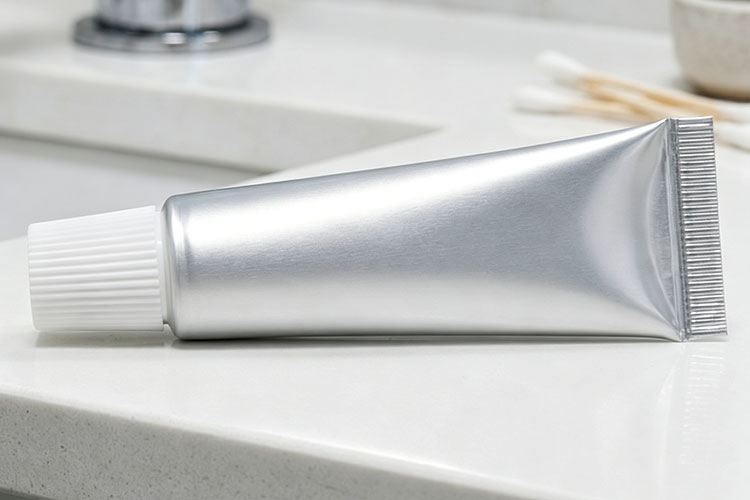
The aluminum foil used in toothpaste tubes is not simply a single sheet of metal foil formed into a tube; rather, it serves as a “high-barrier material” layer within a composite tube structure. Although it plays a crucial role in toothpaste packaging, it often goes unnoticed by consumers. Traditional all-aluminum tubes—which were prone to cracking after repeated squeezing and had poor shape retention—have largely been replaced by aluminum-plastic composite tubes (known as ABL, or Aluminum Barrier Laminate).
Description


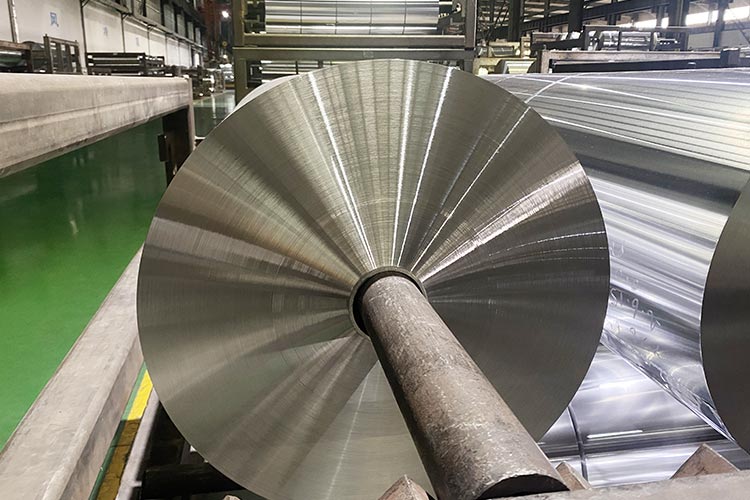
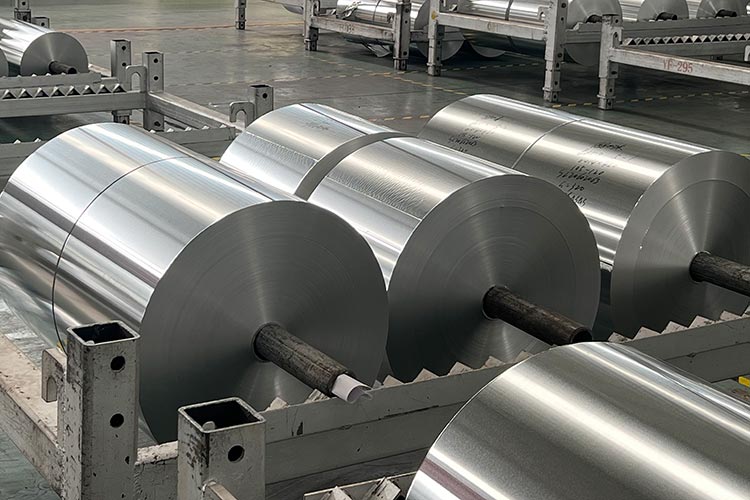
Yutwin New Materials provides high-performance aluminum materials to its global partners, delivering consistent quality, reliability, and technical support across a wide range of applications. The company is committed to continuous innovation, advancing material performance and manufacturing processes, and actively contributing to the sustainable development and technological progress of the aluminum industry.
Aluminum Foil Specifications
| Item | Range |
|---|---|
| Alloy | 1235 / 8011 / 8079 |
| Temper | O (annealed, soft) |
| Thickness | 0.007-0.02mm |
| Width | 200 – 1200 mm |
| Surface Finish | One bright / one matte or both sides treated |
| Pinholes | ≤1–2 pcs/m² |
Toothpaste Tube Wall Structure
A typical toothpaste tube wall structure consists of 5 or 7 layers:

- Outer Layer (Printing Layer)
PE (Polyethylene) —— Used for exquisite printing, protection, and a premium tactile feel.
- Resin Layer
EAA / EBM —— Specifically used to bond the plastic firmly to the aluminum foil to prevent delamination.
- Barrier Layer (Core)
Aluminum Foil —— Blocks air, moisture, and flavor leakage.
- Inner Layer (Contact Layer)
PE / LLDPE —— Comes into direct contact with the toothpaste paste; it is safe, non-toxic, and possesses
excellent heat-sealability (used for heat-sealing the tube tail).