
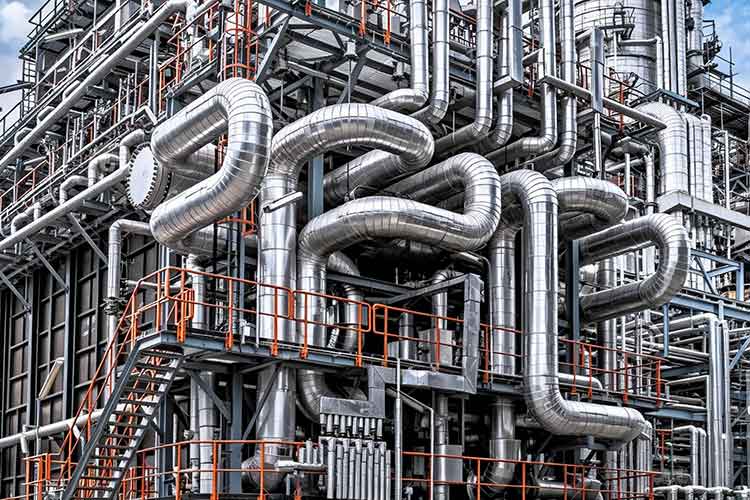
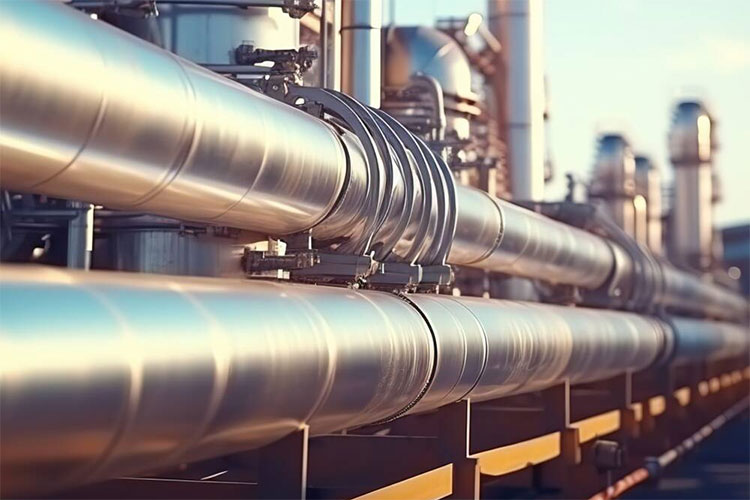
During the transport of petroleum, pipelines typically require thermal insulation to minimize heat loss, maintain the fluidity of the crude oil, and enhance transport efficiency. However, as insulation layers are exposed to outdoor environments for extended periods, they are susceptible to degradation caused by rain, ultraviolet radiation, salt spray, wind-blown sand, and corrosive industrial agents. Consequently, installing an aluminum foil protective layer—commonly known as aluminum jacketing—over the insulation has become standard practice across the oil, gas, refining, and energy sectors.
Description
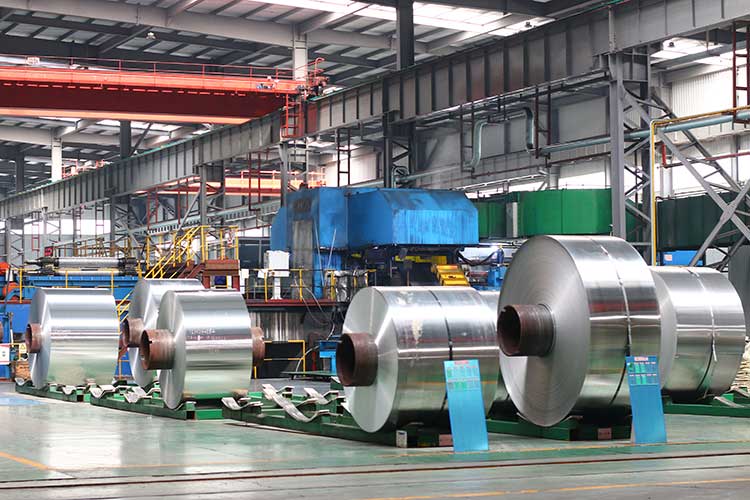
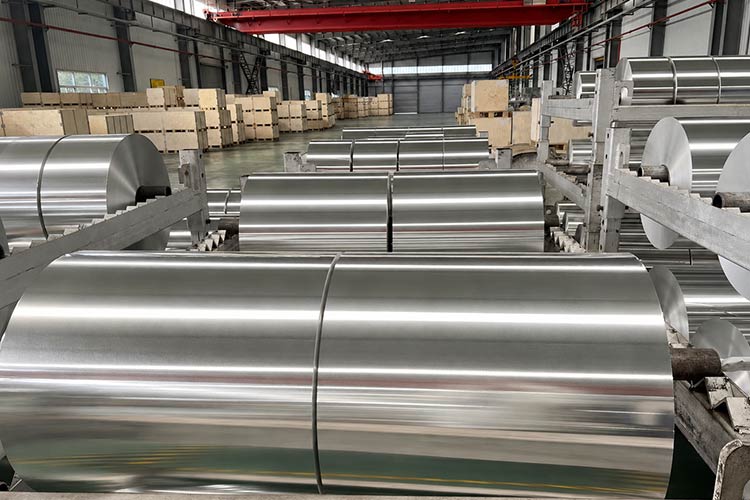
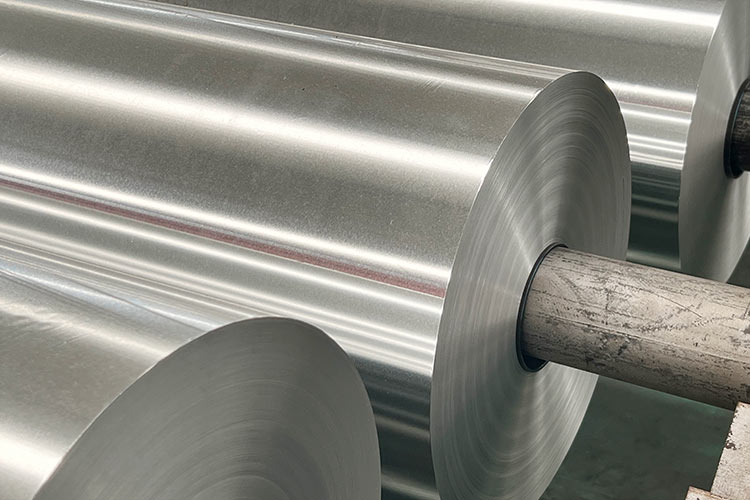
Yutwin New Materials provides high-performance aluminum materials to its global partners, delivering consistent quality, reliability, and technical support across a wide range of applications. The company is committed to continuous innovation, advancing material performance and manufacturing processes, and actively contributing to the sustainable development and technological progress of the aluminum industry.
Aluminum Foil Specifications
| Item | Specification |
|---|---|
| Alloy | 1060, 1100, 3003, 8011 |
| Temper | H14, H16, H18, H24 |
| Thickness | 0.10–0.50 mm |
| Width | 200–1500 mm |
| Inner Diameter | 76 mm, 150 mm, 300 mm |
| Tensile Strength | 80–180 MPa |
| Elongation | 2–10% |
The Role of Aluminum Jacketing in Piping Systems
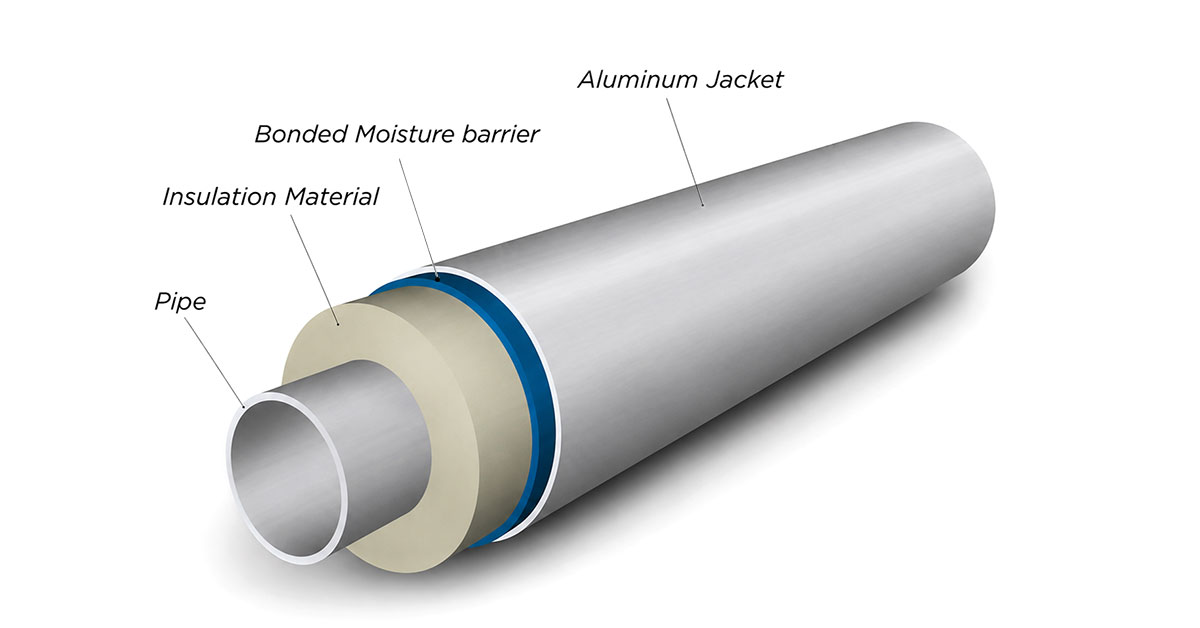
Why Use Aluminum Foil for Oil Pipeline Protection?
☑ Efficient Moisture Barrier Protection, Preventing Insulation Failure
When insulation materials absorb moisture, their thermal conductivity increases significantly, resulting in excessive temperature loss along oil pipelines, higher crude oil viscosity, and substantially increased transportation energy consumption. Moisture penetration can also cause external pipeline corrosion, insulation swelling, and delamination, greatly reducing pipeline service life and increasing maintenance frequency.
With its dense, non-porous structure and extremely low water vapor transmission rate, aluminum foil effectively blocks rainwater, condensation, and ground moisture from penetrating the insulation layer, ensuring long-term insulation performance and pipeline integrity.
☑ Reflecting Thermal Radiation and Reducing Energy Consumption
Crude oil pipelines often require heat tracing and insulation to maintain flowability and prevent wax deposition or solidification. Aluminum foil offers an infrared reflectivity of over 90%, helping optimize thermal management.
In summer:
- Reflects solar radiation and minimizes heat absorption by the pipeline.
- Reduces temperature fluctuations and evaporation losses of light hydrocarbons.
In winter:
- Reflects and retains heat generated by steam tracing or electric heat tracing systems.
- Minimizes heat loss, lowers heating costs, and ensures stable crude oil flow during transportation.
☑ UV Resistance for Long-Term Protection of Insulation Systems
Above-ground oil pipelines are continuously exposed to sunlight. Prolonged ultraviolet (UV) radiation can cause rubber, asphalt-based coatings, and viscoelastic anti-corrosion materials to crack, chalk, and lose adhesion.
Aluminum foil provides complete UV shielding, preventing premature aging and degradation of underlying insulation and anti-corrosion layers. In coastal regions, deserts, and other areas with intense solar exposure, aluminum foil remains one of the most durable and weather-resistant external protective solutions available.
☑ Additional Corrosion Protection Against Harsh Environments
A naturally formed aluminum oxide layer on the foil surface provides excellent resistance to atmospheric corrosion, rainwater, salt spray, alkaline environments, and industrial contaminants.
Aluminum foil effectively isolates insulation systems from:
- Acid rain
- Coastal salt-laden air
- Chemical vapors and industrial pollutants
- Moisture and airborne contaminants
When combined with butyl rubber aluminum foil tapes, the system forms a dual-protection structure consisting of an aluminum shielding layer and a sealed adhesive barrier, providing enhanced corrosion resistance and helping prevent localized pitting corrosion on steel pipelines.