
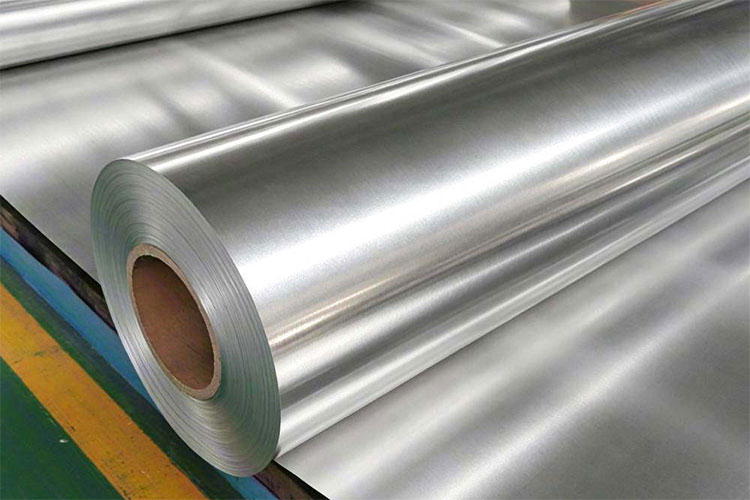
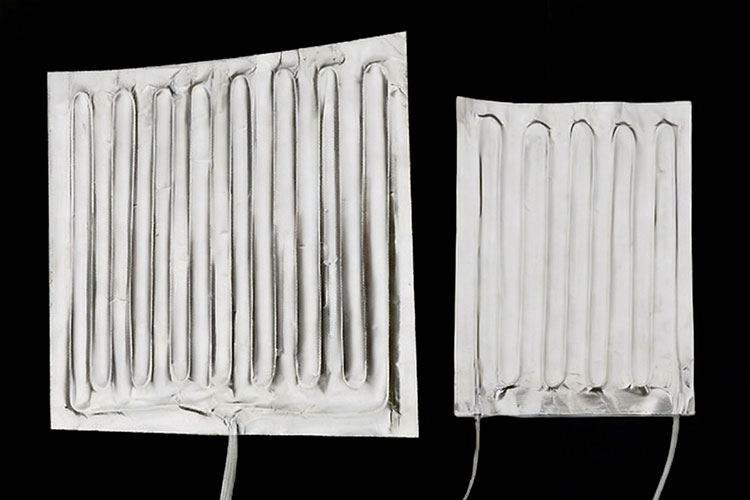
Aluminum foil is a highly thermally conductive metallic material widely used in the manufacture of electric heating elements and heating assemblies. With its excellent thermal conductivity, lightweight structure, corrosion resistance, and good processing properties, aluminum foil is widely used in various heating systems, including household appliances, automotive parts, industrial equipment, and temperature control devices.
Description
Yutwin New Materials
Yutwin New Materials is committed to providing high-quality aluminum foil solutions to the global market, combining durability, safety, and cost-effectiveness. Our product range covers everything from standard household aluminum foil to industrial jumbo rolls and specialty aluminum foils. In addition to standard specifications, we also offer customized solutions based on customers’ technical requirements, including tailored thickness, width, surface treatment, and packaging options.
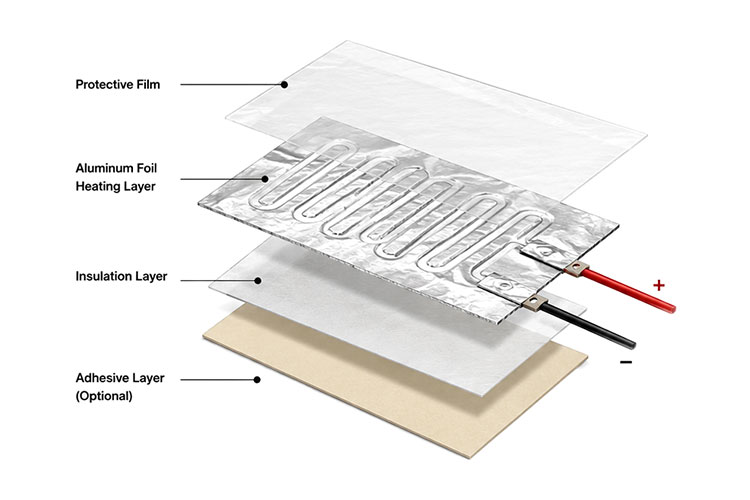
Aluminum Foil Heater Structure
Aluminum foil heaters are typically composed of a resistance heating wire or etched heating circuit, an aluminum foil layer, and insulating materials. The aluminum foil acts as a heat conduction and diffusion medium, rapidly and evenly transferring heat to the entire heating surface, thus improving heating efficiency and temperature uniformity.
The Role of Aluminum Foil
- Highly Efficient Heat Transfer
Aluminum possesses excellent thermal conductivity, enabling it to rapidly transfer and evenly distribute the heat generated by the heating element throughout the entire heating area.
- Uniform Temperature Distribution
The aluminum foil layer effectively reduces localized overheating and temperature differences, preventing hot and cold spots and improving heating quality.
- Energy Efficiency
Rapid heat conduction reduces heat loss, lowering energy consumption while achieving the same heating effect.
- Thin and Flexible Design
Aluminum foil heaters are thin and lightweight, allowing for various shapes to suit different equipment and installation spaces, making them suitable for complex surface structures.
- Excellent Corrosion Resistance
The natural oxide film on the aluminum surface effectively resists humid environments and chemical corrosion, extending product lifespan.
- Rapid Heating
Aluminum foil has low thermal inertia, allowing it to reach the set temperature quickly, improving equipment operating efficiency.
Aluminum Material Specifications
| Item | Specification |
|---|---|
| Alloy | 1050, 1060, 1070, 1100 |
| Aluminum Purity | ≥99.5% |
| Temper | O, H14, H18 |
| Thickness | 0.02 – 0.20 mm |
| Width | 20 – 1200 mm |
| Thermal Conductivity | 220 – 237 W/m·K |
| Surface Finish | Mill Finish, Bright Finish |
| Tensile Strength | 60 – 130 MPa |
| Elongation | 5 – 25% |
| Operating Temperature | Up to 250°C (depending on heater design) |
| Standard | ASTM, EN, GB |
Typical Applications
- Refrigerators and freezers (defrost heaters).
- Food warming equipment.
- Electric water heaters.
- Automotive battery heating systems.
- Seat heaters.
- Medical equipment.
- Industrial heating panels.
- HVAC systems.
- Pipe freeze protection.
- Incubators and laboratory equipment.