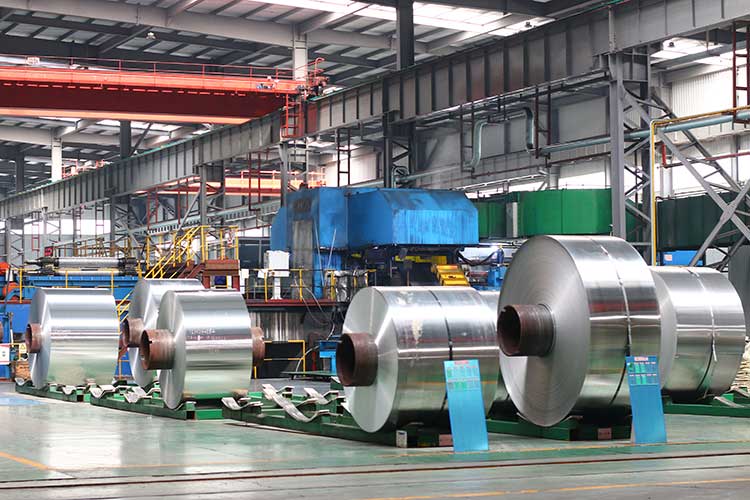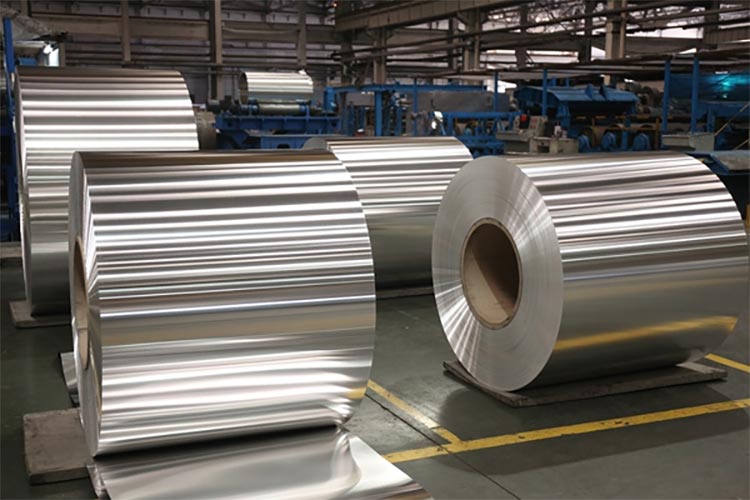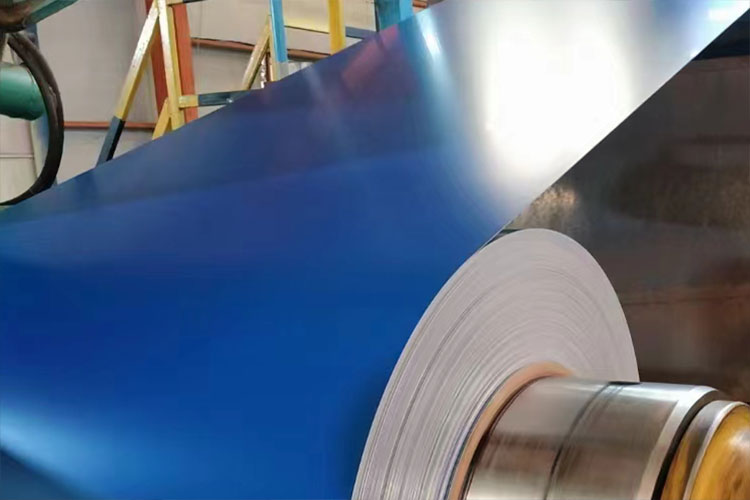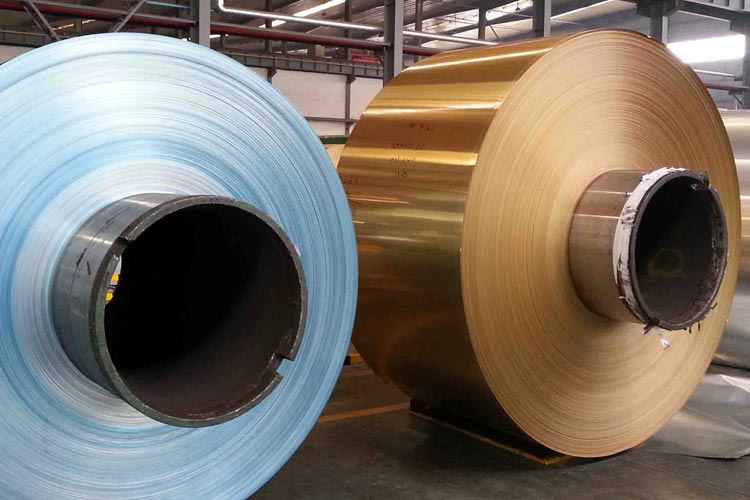
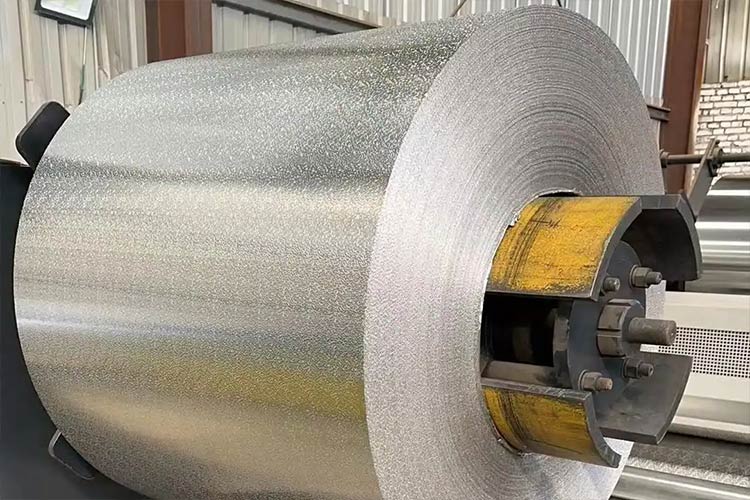
Aluminium Foil Rolls Customized for Your Insulation Requirements
- High heat reflectivity, effectively blocking radiative heat transfer and reducing heat loss.
- Dense and moisture-proof, with excellent airtightness, preventing water vapor penetration.
- Resistant to high and low temperatures, with a wide applicable temperature range.
- Lightweight and flexible, easy to cut and apply.
- Customizable with composite, embossed, perforated, and other special designs.
Description
Yutwin New Materials is a‑professional supplier of heat‑insulation aluminium foil rolls. We provide heat‑insulation aluminium foil sheets and rolls in a wide range of specifications, and support customisation of different thicknesses, widths, surface finishes and multi‑layer aluminium‑foil composite materials. Our products meet the insulation project requirements of various industries including construction, industrial pipelines, agriculture and cold‑chain logistics.
Aluminum Foil Roll Specifications
| Item | Typical Options |
|---|---|
| Aluminum Alloy | 1050 / 1060 / 1100 / 3003 / 8011 |
| Temper | O / H14 / H16 / H18 / Customized |
| Thickness | 0.006–0.20 mm or Customized |
| Width | Customized, according to application |
| Surface | Mill Finish / Bright / Embossed |
| Surface Pattern | Plain / Embossed / Perforated |
| Roll Length | Customized |
| Core ID | 76 mm / 152 mm / Customized |
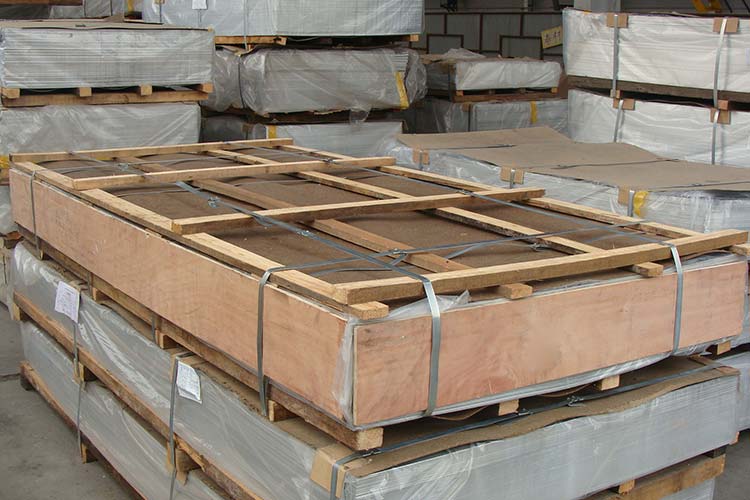
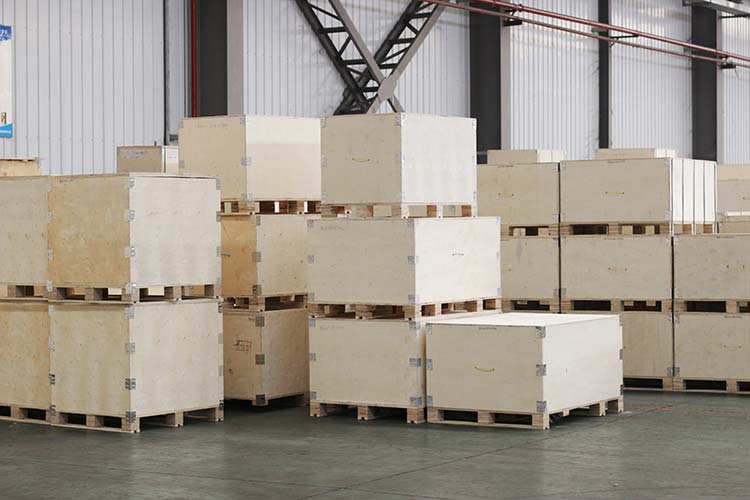
| Packaging | Export Standard / Wooden Case / Customized |
How Does Aluminium Foil Provide Heat Insulation?
Rather than relying solely on blocking heat conduction, aluminium foil achieves comprehensive thermal management by controlling thermal radiation and media penetration.
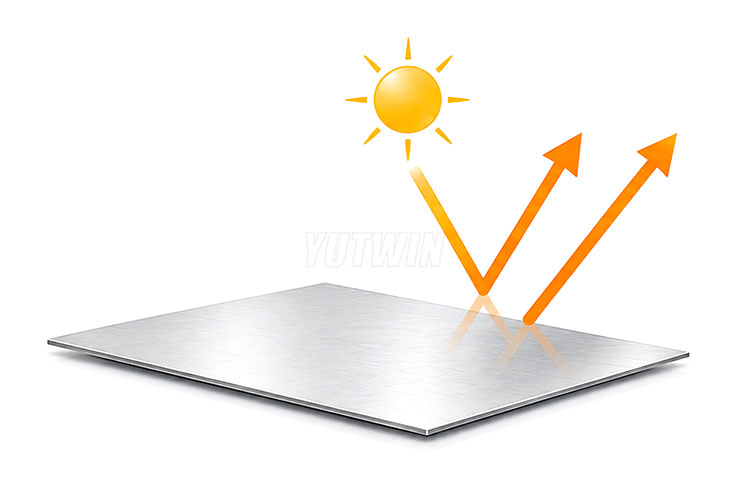
High Thermal Radiation Reflection (Primary Mechanism)
- The smooth metallic surface of aluminium foil reflects over 95% of infrared thermal radiation back to the heat source, significantly reducing radiant heat penetration. Serving as an outer protective jacket, it shields core insulation from direct ultraviolet (UV) radiation, weathering, and light mechanical abrasion, thereby extending the system’s operational lifespan.
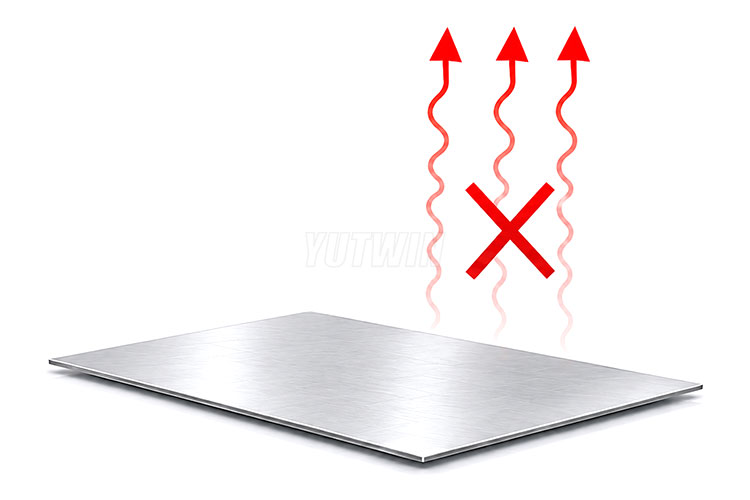
Low Emissivity (Low-E)
- Aluminium foil exhibits an exceptionally low surface emissivity (typically <0.05). This means it emits virtually none of the absorbed heat, effectively locking in internal temperatures.
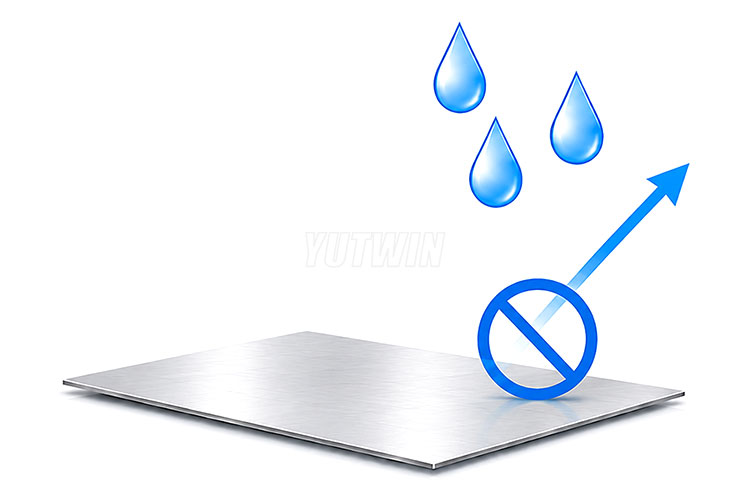
Zero Permeability & Vapor Barrier
- Water vapor has a much higher thermal conductivity than still air. The dense molecular structure of aluminium foil acts as an absolute barrier against moisture ingress, preventing performance degradation caused by damp insulation cores.
(The specific alloy, thickness, width, roll diameter, and mechanical properties can be adjusted according to subsequent processing requirements.)
Surface Patterns of Insulation Aluminium Foil
Insulation aluminium foil is available in more than just a conventional smooth surface. Different surface structures can be supplied according to the final application and converting requirements.
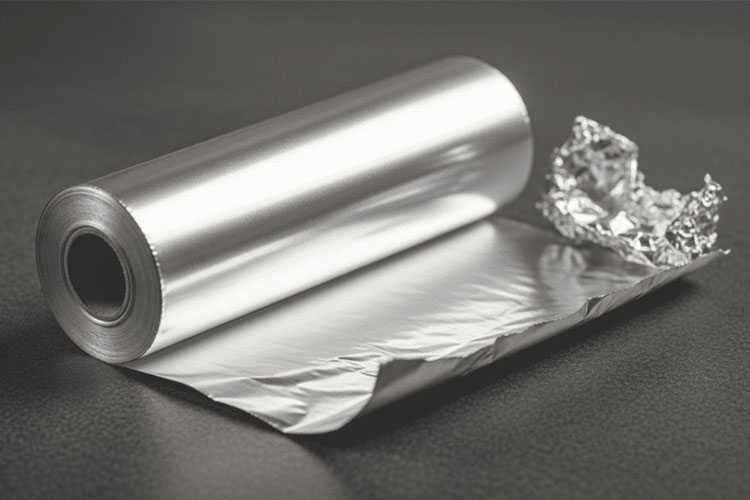
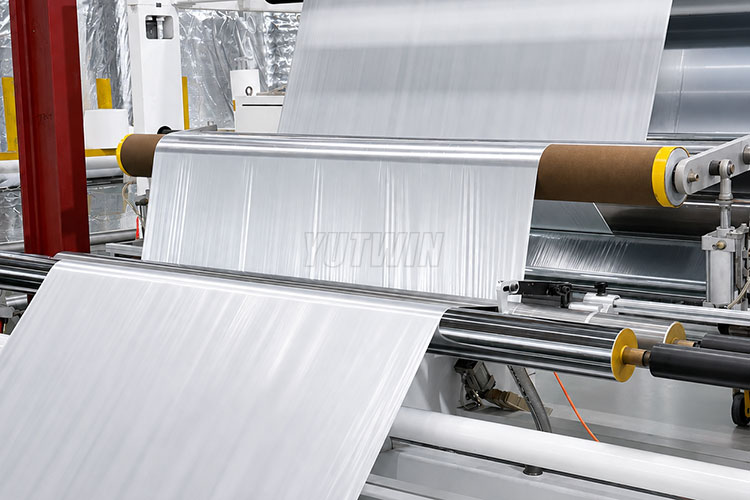
Plain Foil
Plain aluminium foil is one of the most common forms of insulation foil. Its smooth surface provides high radiant heat reflectivity.
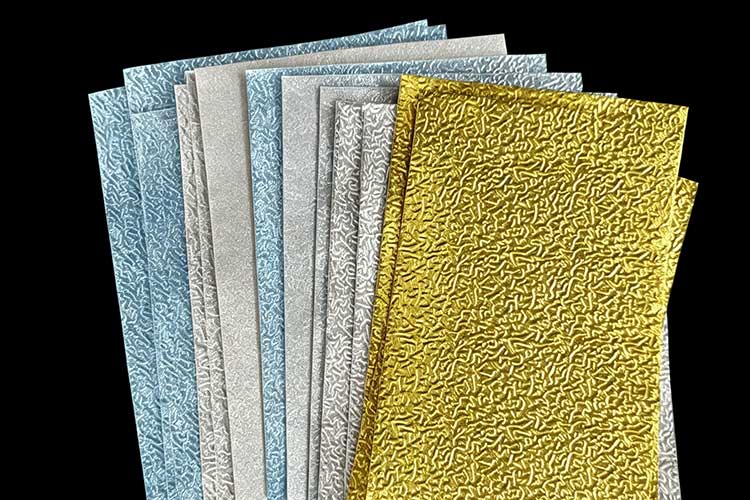
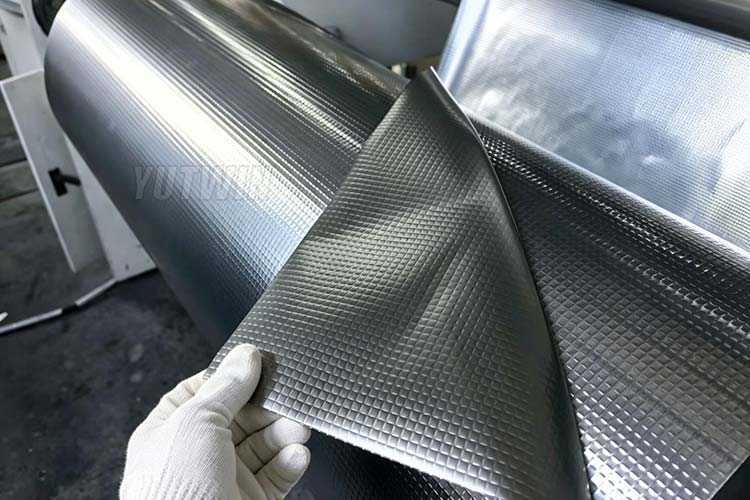
Embossed Foil
Embossed aluminium foil is manufactured by passing the foil through patterned rollers to create a regular three-dimensional surface texture. The embossed structure can increase surface rigidity and improve the appearance and handling characteristics of the foil.
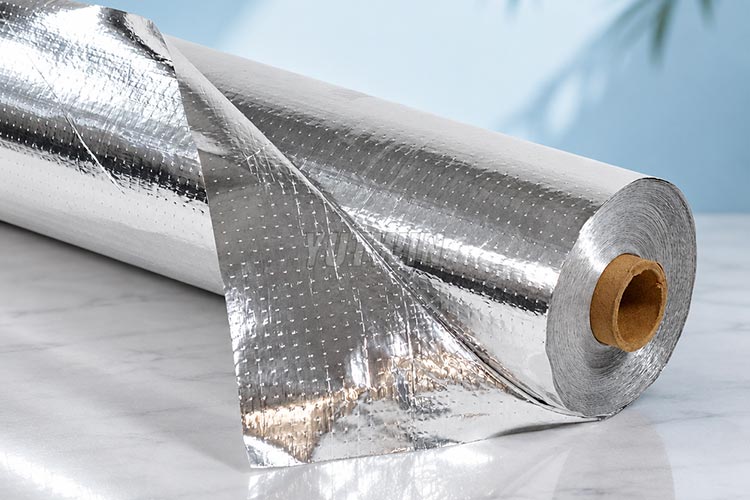
Perforated Foil
Perforated aluminium foil contains evenly distributed holes on the foil surface. Hole diameter, spacing, and open area can be customized according to the requirements of the insulation structure and lamination process. Perforated structures are suitable for applications requiring controlled air permeability, moisture release, or specialized composite structures.
Common Aluminum Foil Composite Structures
Modern insulation aluminum foil is no longer simply a single layer of metal foil. It can be developed into a multi-functional composite material that provides thermal reflection, moisture resistance, vapor control, mechanical reinforcement, abrasion resistance, and surface protection.
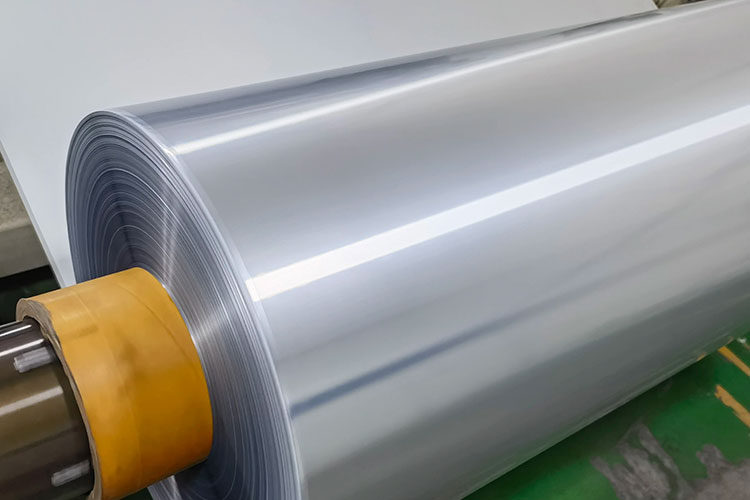
- AL + PET/PE
The PET/PE layer can improve mechanical strength, surface durability, tear resistance, and overall dimensional stability while providing a clean and consistent surface.
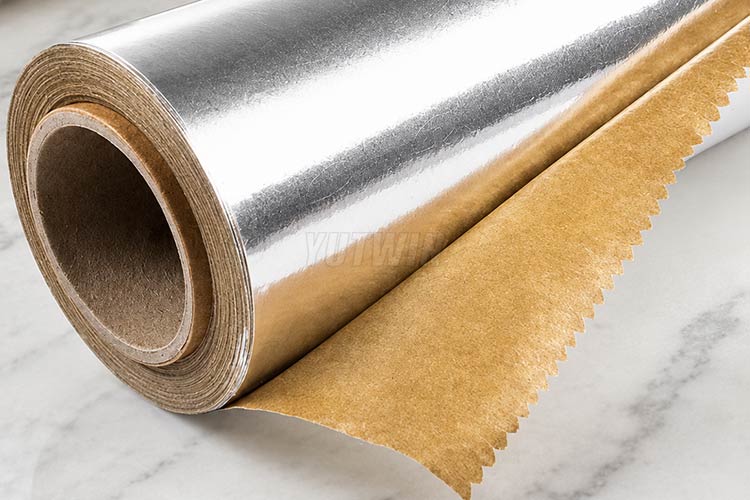
- AL + Kraft Paper
Aluminum foil laminated with kraft paper combines the radiant heat reflection and barrier properties of aluminum foil with the processing and handling characteristics of paper.
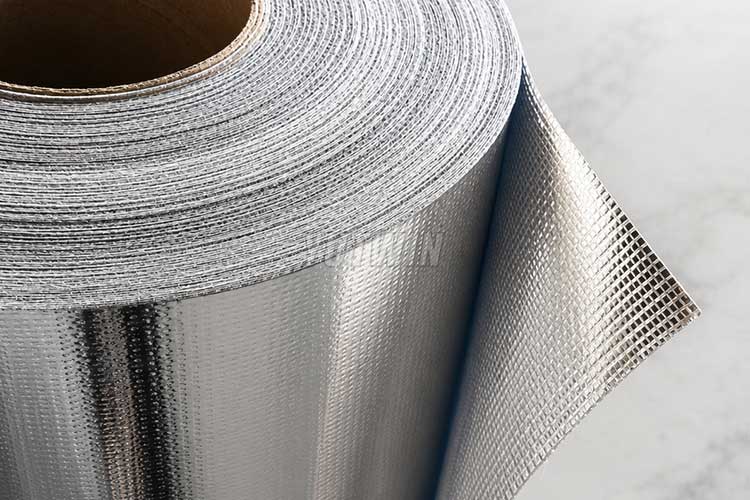
- AL + Fiberglass
Aluminum foil laminated with fiberglass can improve dimensional stability, mechanical strength, and tear resistance.
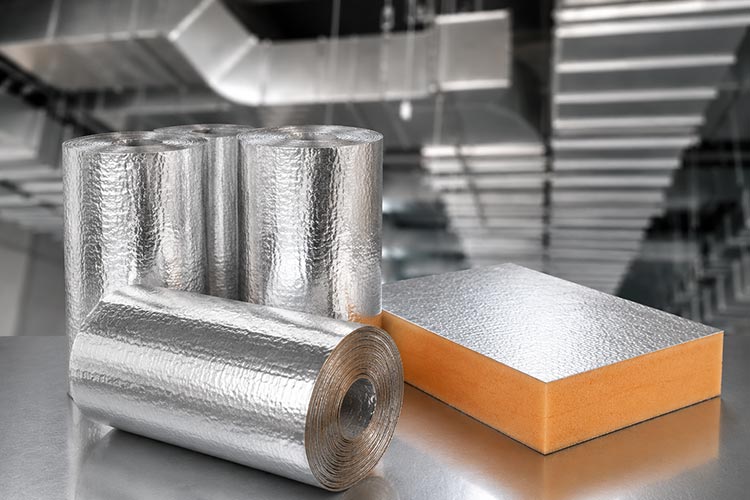
- AL + Insulation Core
Aluminum foil can also be laminated directly to insulation cores such as rock wool, phenolic, glass wool, PU, PIR, and XPS to form integrated thermal insulation panels.
Common Application Industries
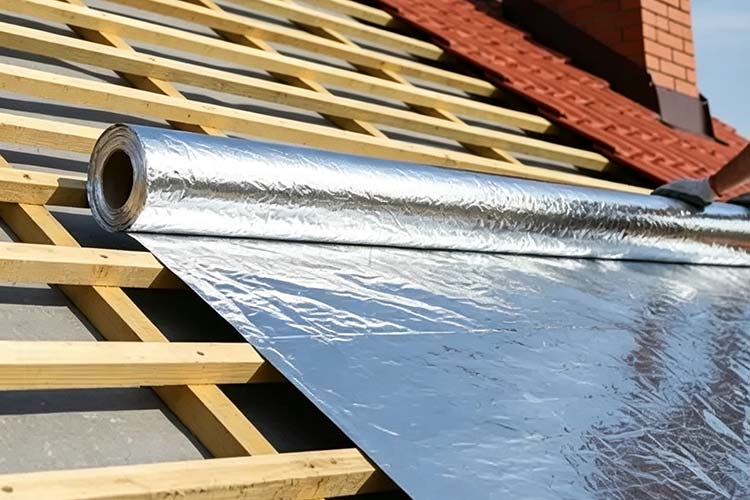
Building Insulation
- Roof insulation
- Exterior and interior wall insulation
- Building curtain walls
- Floor and slab insulation
- Reflective roof insulation
- Building insulation sandwich panels
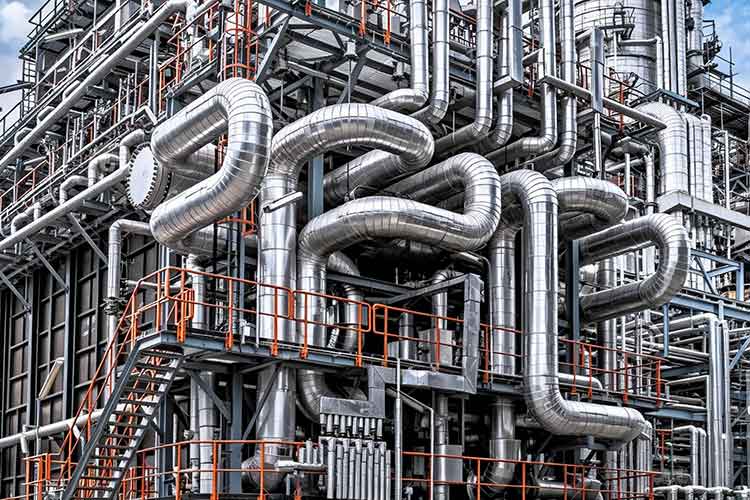
Industrial Pipe Insulation
- Steam pipelines
- Hot water pipes
- Oil transportation pipelines
- Chemical process pipelines
- Boiler pipes
- District heating networks
- Storage tanks and large industrial equipment
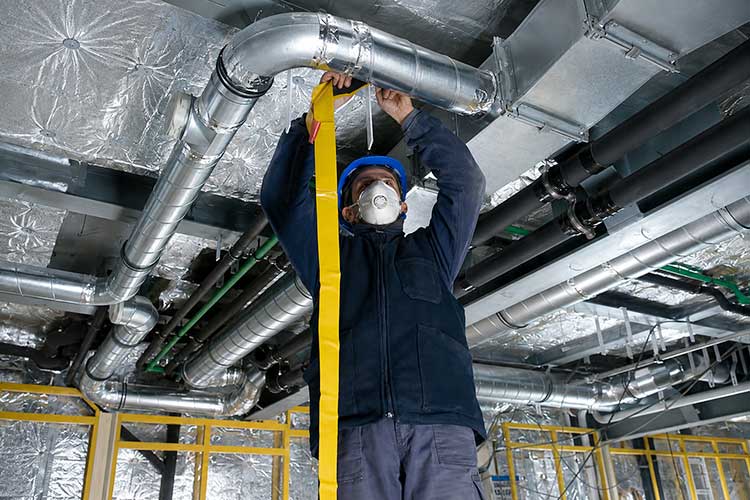
HVAC & Duct Insulation
- Air conditioning ducts
- Ventilation ducts
- Smoke exhaust ducts
- HVAC insulated pipes
- Duct insulation panels
- Flexible air ducts
- HVAC equipment insulation
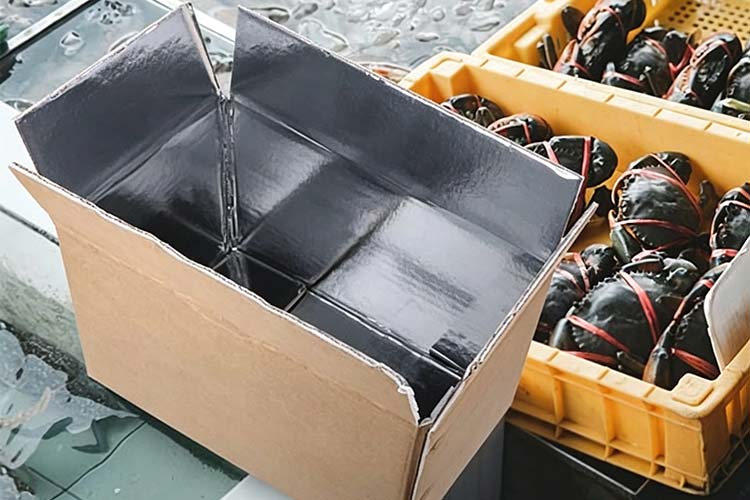
Food Processing & Thermal Insulation
- Food insulation boxes
- Food delivery bags and boxes
- Food transport containers
- Cold chain packaging
- Insulated bags
- Hot food delivery
- Frozen food transportation