
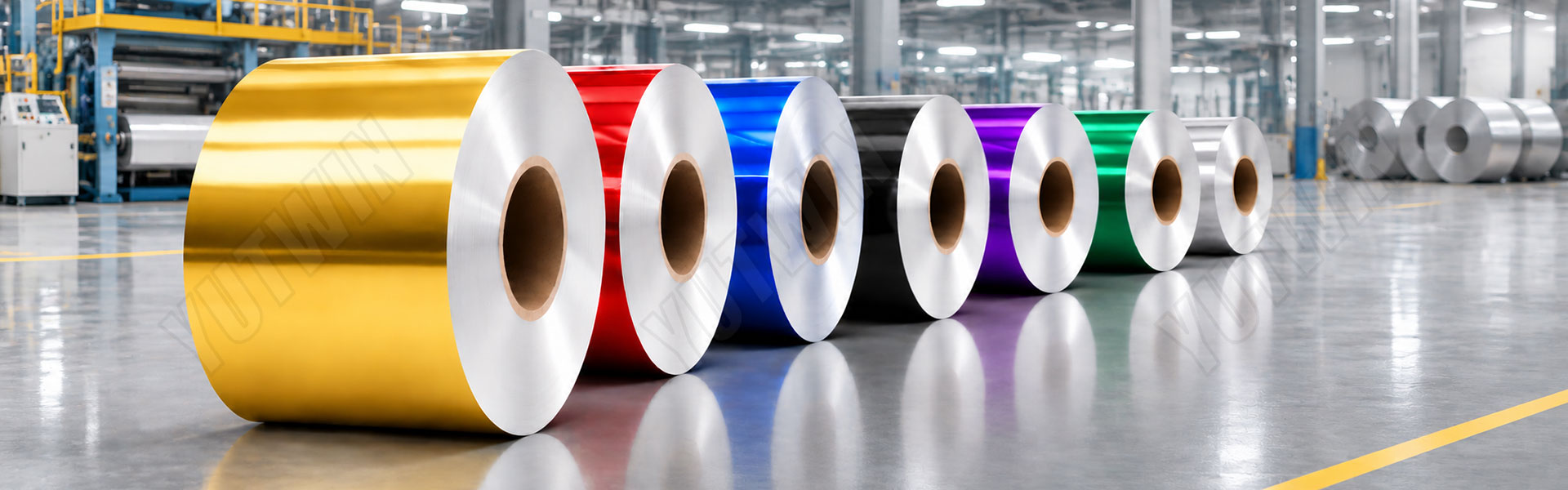
Laminated Aluminum Foils
A single layer of aluminum foil may not always meet the increasingly demanding performance requirements of modern packaging and industrial applications. Although aluminum foil offers excellent barrier properties, it can be susceptible to pinholes, air bubbles, creasing, and deformation under certain processing and application conditions.
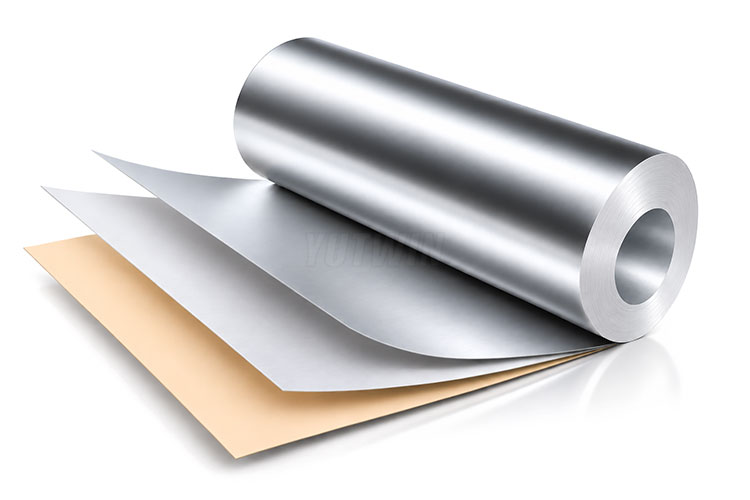
To overcome these limitations and achieve enhanced material performance, aluminum foil is laminated with other functional materials, such as plastic films, paper, fiberglass fabrics, and other substrates. Through advanced lamination technologies, different materials are combined to create high-performance laminated structures with improved mechanical strength, barrier protection, durability, and processability. Depending on the specific application and performance requirements, aluminum foil can be bonded to plastic films using adhesives through dry lamination or integrated through thermal lamination processes. The resulting products can feature two-layer, three-layer, or multi-layer structures, offering flexible solutions for a wide range of industrial and packaging applications.
YUTWIN New Materials provides a comprehensive range of aluminum-plastic laminated films and aluminum foil laminated materials. We also offer customized material structures, specifications, and manufacturing solutions tailored to individual project requirements.
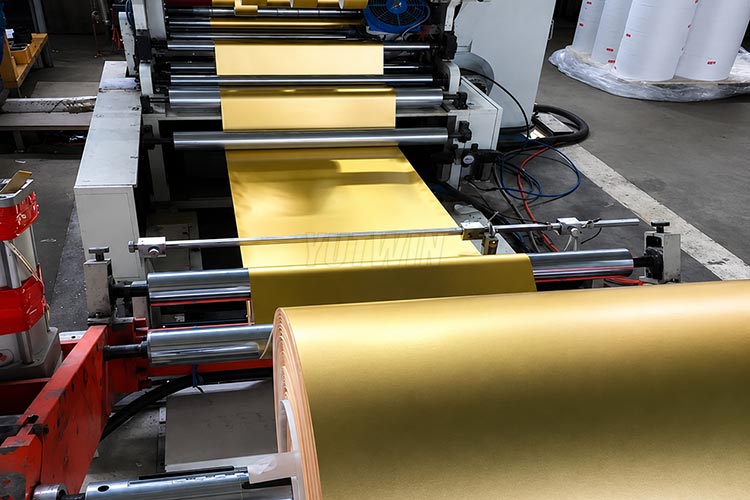
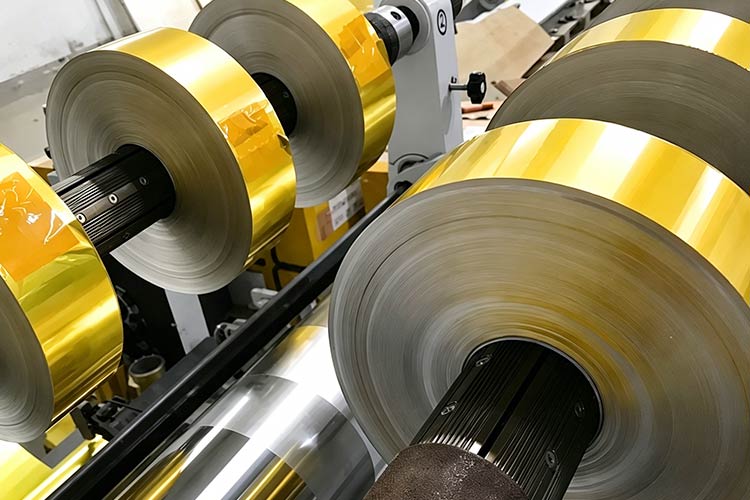
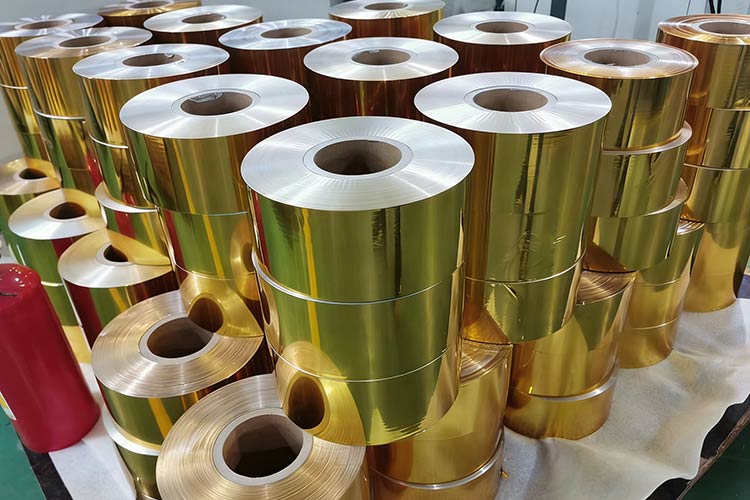


Applications of Laminated Aluminum Foil
Laminated aluminum foil is widely used in industrial thermal insulation, high-performance food and pharmaceutical packaging, electronics, construction, and various other industries. By combining the properties of different materials, it delivers versatile solutions for demanding applications.
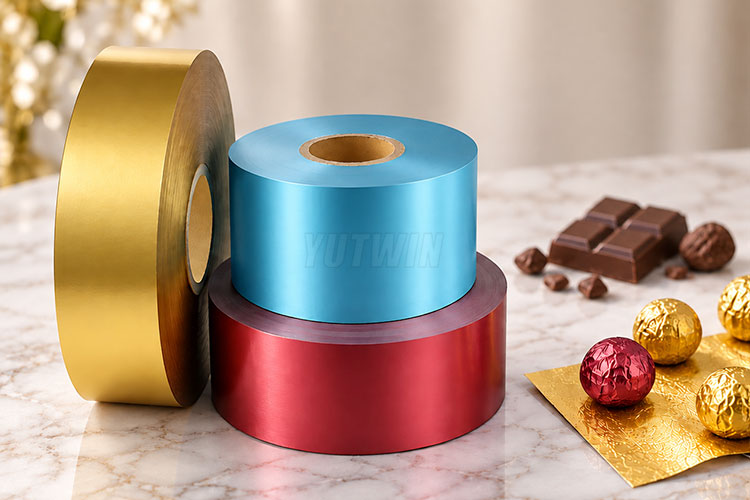
Food & Pharmaceutical Packaging
Laminated aluminum foil provides excellent moisture, oxygen, light, and odor barrier protection, helping preserve product quality, freshness, and shelf life.
Typical applications include:
- Flexible food packaging bags and pouches
- Aluminum foil food containers and trays
- Pharmaceutical blister packaging
- Cigarette inner liners and moisture-resistant packaging
- Beverage cartons and liquid packaging
- Wine bottle sealing materials and closures
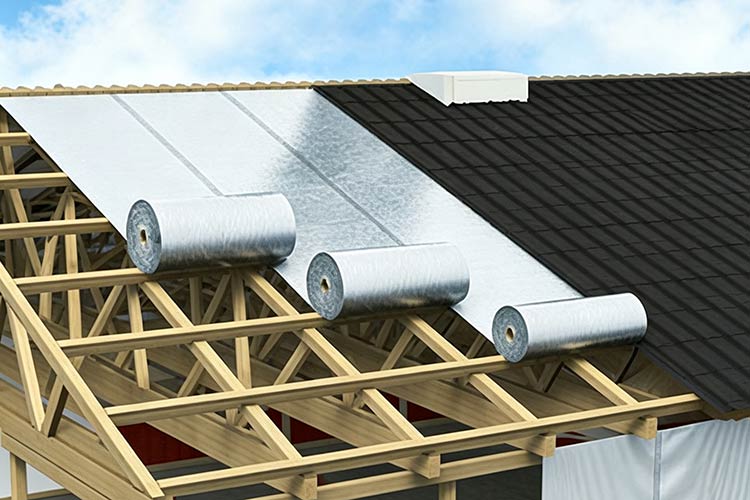
Building & Construction Materials
With its excellent thermal insulation, moisture resistance, and reflective properties, laminated aluminum foil is widely used in building insulation and construction materials.
Typical applications include:
- Thermal and acoustic insulation materials
- Reflective insulation barriers
- Insulated building panels and decorative boards
- Roof, wall, and ceiling insulation systems
- Industrial and residential building insulation
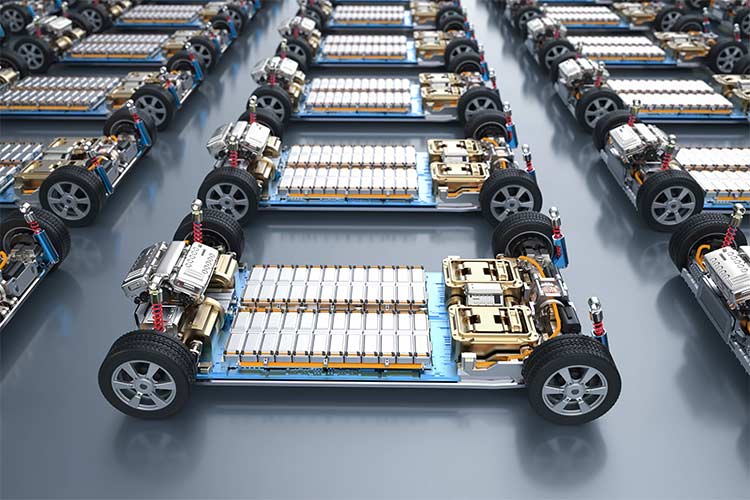
Electronics & Electrical Applications
Laminated aluminum foil can provide electrical shielding, thermal management, moisture protection, and structural support in selected electronic applications.
Typical applications include:
- Electronic equipment housings and components
- Heat dissipation and thermal management materials
- Electromagnetic shielding materials
- Battery-related insulation and protective materials
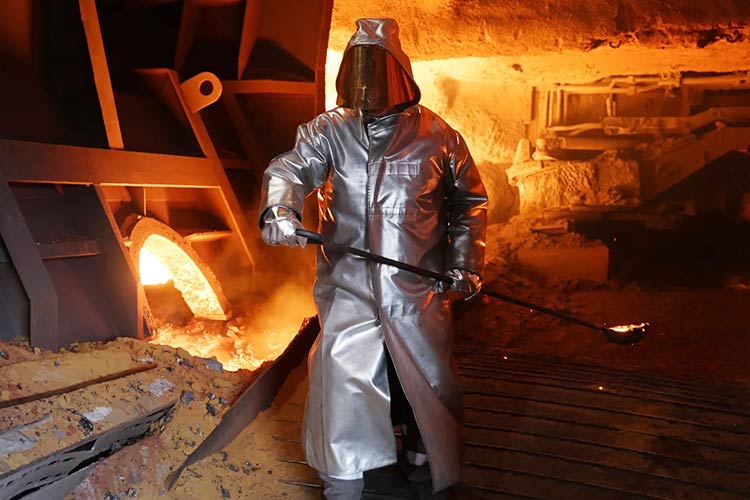
Industrial Applications
Laminated aluminum foil is also widely used in industrial environments where thermal protection, moisture resistance, and material durability are essential.
Typical applications include:
- Protective clothing and thermal protective equipment
- Industrial equipment insulation layers
- Pipeline and HVAC duct insulation
- Industrial thermal barriers
- Protective wrapping and packaging materials
The advantages of Laminated Aluminum Foil are Highly Significant
Its protective mechanism relies on a multi-layered structure where each layer performs a specific function, with the materials complementing one another to overcome individual limitations.
- Excellent barrier properties
High oxygen barrier, superior water vapor resistance, and effective protection against light and ultraviolet (UV) radiation.
- Enhanced mechanical properties
Resistance to puncture, tearing, and abrasion, with an optimized structural strength.
- Reliable chemical resistance
Protection against water and corrosion; the surface remains unaffected by common acids and bases.
- Processability
Certain types of laminated aluminum foil can be printed upon and shaped into a wide variety of designs and forms.
Common Types of Laminated Aluminum Foil Structures
Different combinations of aluminum foil and functional substrates offer distinct performance characteristics. The following are some of the most commonly used laminated structures.
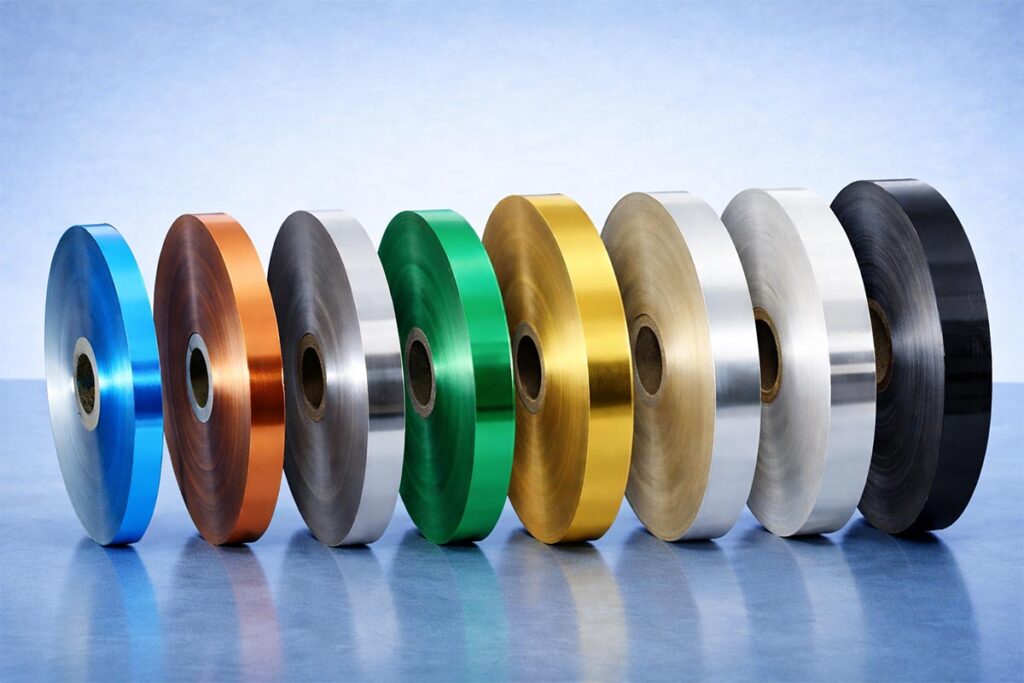
Aluminum Foil + Plastic Film
This is one of the most widely used aluminum foil laminated structures. By laminating aluminum foil with plastic films—such as PP (polypropylene), PET (polyethylene terephthalate), or PE (polyethylene)—it is possible to create flexible laminated materials that offer excellent barrier properties, flexibility, and mechanical performance.
Common Aluminum Foil and Plastic Film Structures
| Laminated Structure | Features |
|---|---|
| Aluminum Foil + PET Film | High tensile strength, excellent heat resistance, and dimensional stability |
| Aluminum Foil + PE Film | Excellent moisture resistance, flexibility, and heat-sealing performance |
| Aluminum Foil + PP Film | Good stiffness, transparency, and heat resistance |
| Aluminum Foil + BOPP Film | High gloss, excellent stiffness, and good transparency |
| Aluminum Foil + CPP Film | Excellent heat-sealing performance, flexibility, and moisture resistance |
| Aluminum Foil + PA (Nylon) Film | Excellent puncture resistance, toughness, and mechanical strength |
| Aluminum Foil + PVC Film | Good flexibility, transparency, and chemical resistance |
| Aluminum Foil + EVA Film | Excellent flexibility, adhesion, and heat-sealing properties |
| Aluminum Foil + EVOH Film | Excellent oxygen barrier properties |
| Aluminum Foil + PVDC Film | Excellent oxygen and moisture barrier properties |
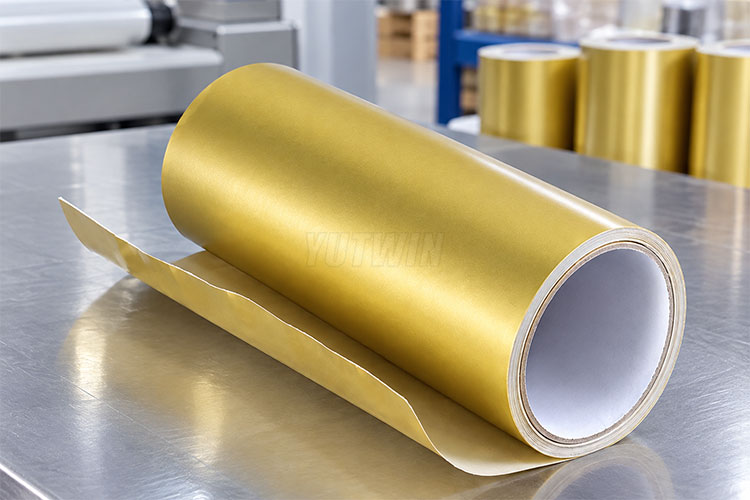
Aluminum Foil + Paper
Aluminum foil is laminated with different types of paper substrates, including kraft paper, glassine paper, printing paper, and waterproof paper. This combination integrates the barrier and reflective properties of aluminum foil with the flexibility, printability, and handling characteristics of paper.
Common Aluminum Foil and Paper Laminate Structures
| Laminated Structure | Features |
|---|---|
| Aluminum Foil + Kraft Paper | High strength and good stiffness |
| Aluminum Foil + White Cardboard | Smooth surface, high stiffness, excellent printability |
| Aluminum Foil + Glassine Paper | Smooth surface and dense structure |
| Aluminum Foil + Greaseproof Paper | Excellent grease resistance and barrier properties |
| Aluminum Foil + Parchment Paper | Good grease resistance and wet strength |
| Aluminum Foil + Coated Paper | Excellent printability and surface finish |
| Aluminum Foil + Tissue Paper | Lightweight, thin, and flexible |
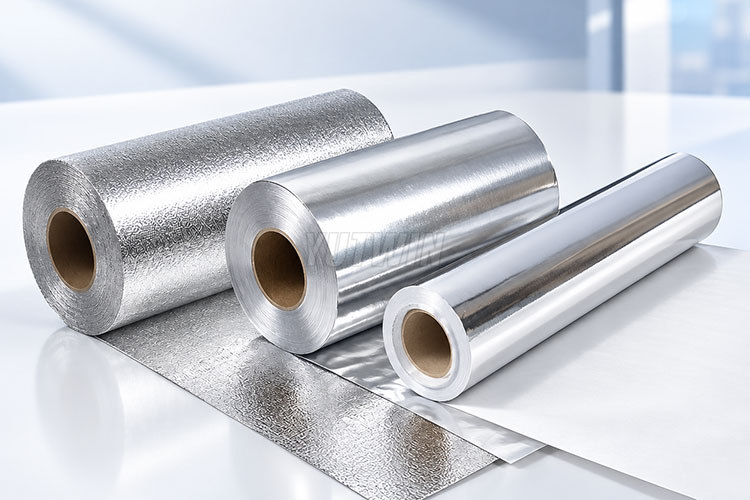
Aluminum Foil + Fiberglass Fabric
Created by laminating aluminum foil onto a paper substrate (such as kraft paper, glassine, copy paper, or waterproof paper), this laminated has a soft, paper-like texture and retains its shape after being bent or folded. It is widely used in both the packaging and construction industries.
Common Aluminum Foil and Fiberglass Fabric Laminate Structures
| Laminated Structure | Features |
|---|---|
| Aluminum Foil + Fiberglass Woven Fabric | High tensile strength, excellent tear resistance, abrasion resistance |
| Aluminum Foil + Fiberglass Scrim / Mesh | Lightweight, dimensional stability, good tear resistance |
| Aluminum Foil + Fiberglass Tissue / Veil | Lightweight, uniform surface, flexible structure |
| Aluminum Foil + Chopped Strand Mat | Good coverage, thickness uniformity, reinforcement properties |
| Aluminum Foil + Fiberglass Reinforcing Yarn | Enhanced tensile strength, dimensional stability, lightweight reinforcement |