Glassine Paper
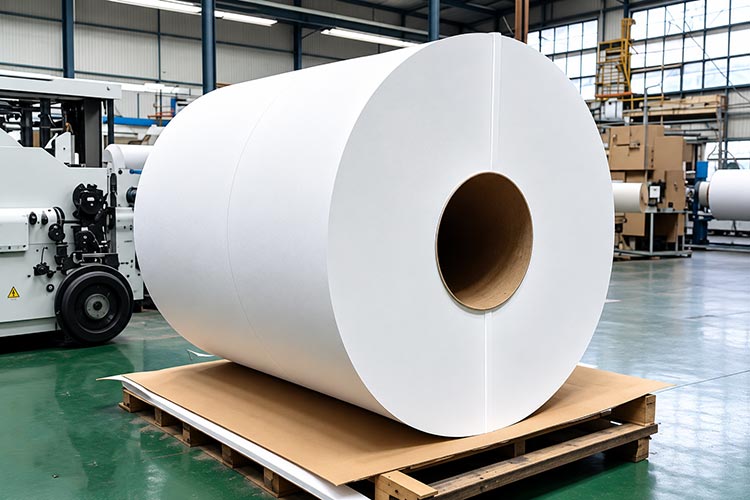
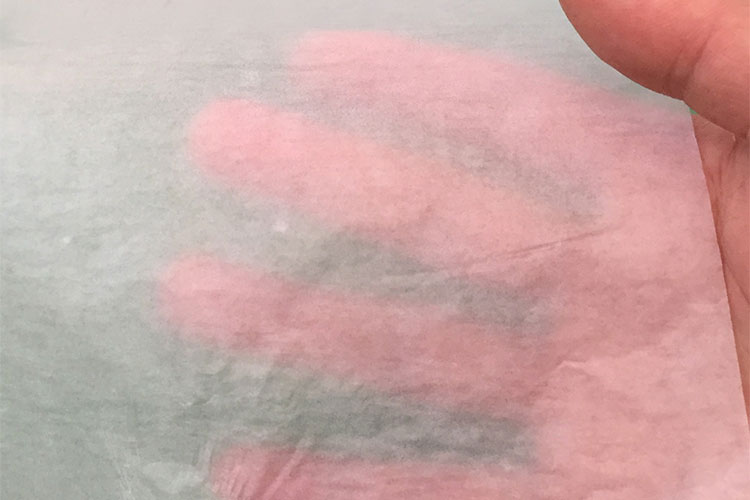
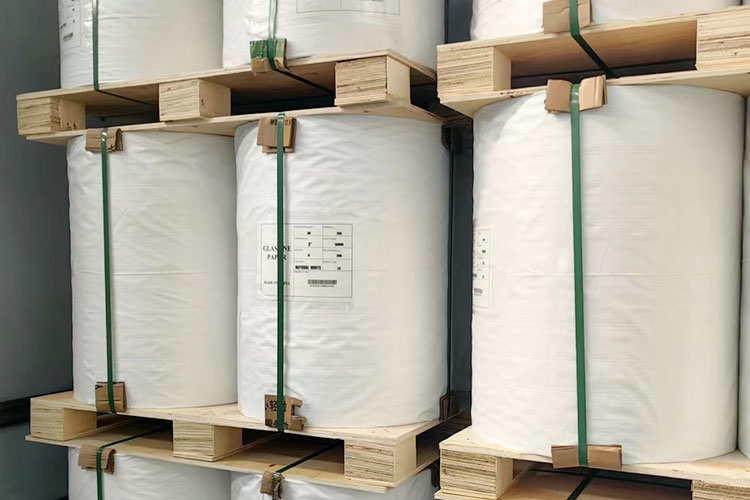
Glassine paper is a specialty industrial paper made from high-quality cellulose raw materials. After supercalendering, the paper has a dense, smooth, and translucent surface, while also possessing good mechanical strength, oil resistance, moisture resistance, temperature resistance, and scratch resistance. Depending on the end use, it can also be given specific functions through surface coating, release treatment, or lamination.
Physical Properties
- Light Transmittance: Offers good light transmittance and translucency.
- Temperature Resistance: Suitable for processing and use in high-temperature environments; some products can withstand approximately 160°C.
- Mechanical Strength: Provides good tensile strength in both the longitudinal and transverse directions.
- Oil Resistance: The dense paper structure effectively reduces oil penetration.
- Moisture Resistance: Offers some moisture resistance and barrier properties.
- Surface Properties: Smooth and uniform surface, suitable for printing, coating, and laminating.
Glassine Base Paper Specifications
| Grammageᵃ / (g/m²) | 40.0±2.0 | 50.0±3.0 | 58.0±3.0 | 78.0±4.0 | 90.0±4.0 |
| Density / (g/cm³) | ≥1.00 | ≥1.00 | ≥1.00 | ≥1.00 | ≥1.00 |
| Thickness / μm | 38 | 45 | 49 | 67 | 78 |
| Thickness deviation / % | ≤±6 | ≤±6 | ≤±6 | ≤±6 | ≤±6 |
| Tear resistance (cross direction) / mN | ≥180 | ≥230 | ≥280 | ≥420 | ≥520 |
| Tensile strength / (kN/m) – Machine direction | ≥3.20 | ≥4.20 | ≥5.00 | ≥6.50 | ≥6.90 |
| Tensile strength / (kN/m) – Cross direction | ≥1.60 | ≥2.10 | ≥2.50 | ≥2.80 | ≥3.00 |
| Transparencyᵇ / % | ≥47.0 | ≥42.0 | ≥40.0 | ≥27.0 | ≥23.0 |
| Smoothnessᶜ / s | ≥1000 | ≥1000 | ≥1000 | ≥800 | ≥800 |
| Roughnessᶜ / μm | ≤2.2 | ≤2.2 | ≤2.2 | ≤1.8 | ≤1.8 |
| Oil absorptionᶜᵈ – IGT method / cm | ≥13.0 | ≥13.0 | ≥13.0 | ≥13.0 | ≥13.0 |
| Oil absorptionᶜᵈ – Cobb-Unger method / (g/m²) | ≤1.1 | ≤1.1 | ≤1.1 | ≤1.1 | ≤1.1 |
| Gloss (75°)ᶜ / gloss units | ≥40 | ≥40 | ≥40 | ≥40 | ≥40 |
| Moisture / % | 6.0±2.0 | 6.0±2.0 | 6.0±2.0 | 6.0±2.0 | 6.0±2.0 |
| Dirt count / (spots/m²), 0.3 mm²–1.5 mm² | ≤20 | ≤20 | ≤20 | ≤20 | ≤20 |
| Dirt count / (spots/m²), >1.5 mm² | None permitted | None permitted | None permitted | None permitted | None permitted |
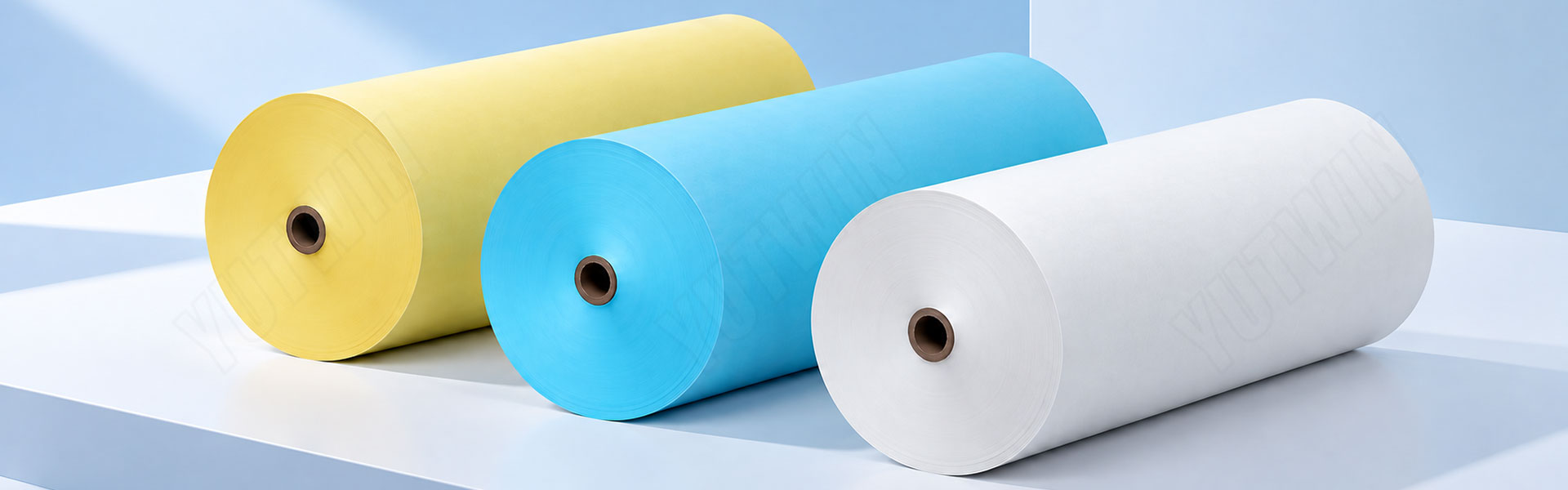
| Color | White, Blue, Yellow | White, Blue, Yellow | White, Blue, Yellow | White, Blue, Yellow | White, Blue, Yellow |
Glassine Paper Manufacturing Process
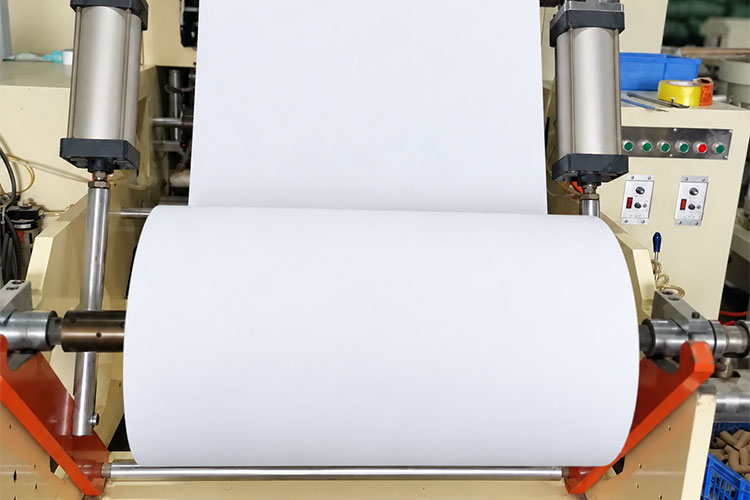
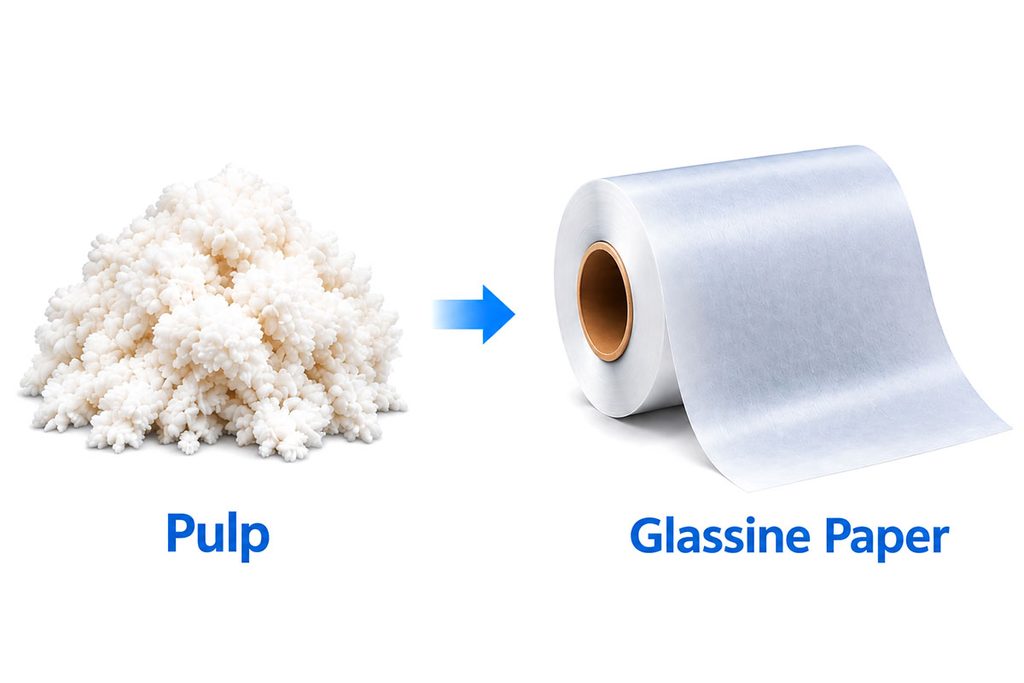
The core of glassine paper production lies in the preparation of high-quality pulp, precision papermaking, and the supercalendering process.
- First, fibrous raw materials such as wood are converted into pulp, with lignin content reduced through chemical pulping and bleaching processes. Lower lignin content enhances the paper’s long-term stability, minimizing issues like discoloration and embrittlement during extended storage.
- Subsequently, processes such as beating, stock preparation, sheet formation, and pressing are employed to create a uniform and dense fiber structure.
- A key process distinguishing glassine paper from ordinary paper is supercalendering. The paper undergoes multiple passes of high-pressure calendering, which further aligns and compacts the fibers and reduces porosity. This results in a surface that is exceptionally smooth, dense, and uniform, while also creating the characteristic semi-transparent appearance of glassine paper.
- Depending on the intended end-use, the paper may undergo further processing, such as coating, silicone release treatment, printing, lamination, and slitting.
Application Industries
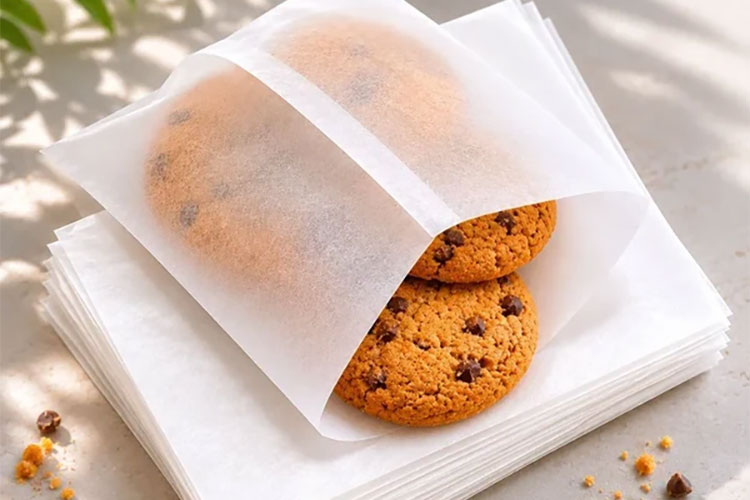
Glassine paper serves as packaging and lining material for candies, pastries, chocolates, and other food products. When laminated with aluminum foil, its light-shielding and barrier properties are enhanced.
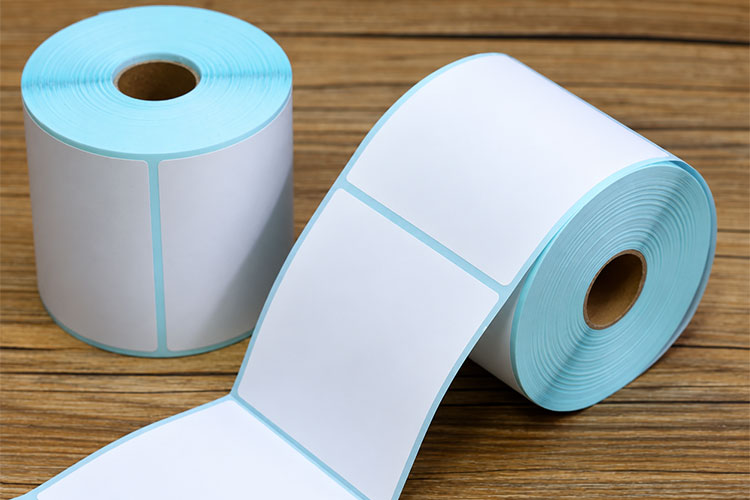
Glassine paper features a smooth surface and excellent dimensional stability; after silicone coating, it offers superior release performance. It is widely used as release paper for pressure-sensitive labels, adhesive tapes, and other adhesive products.
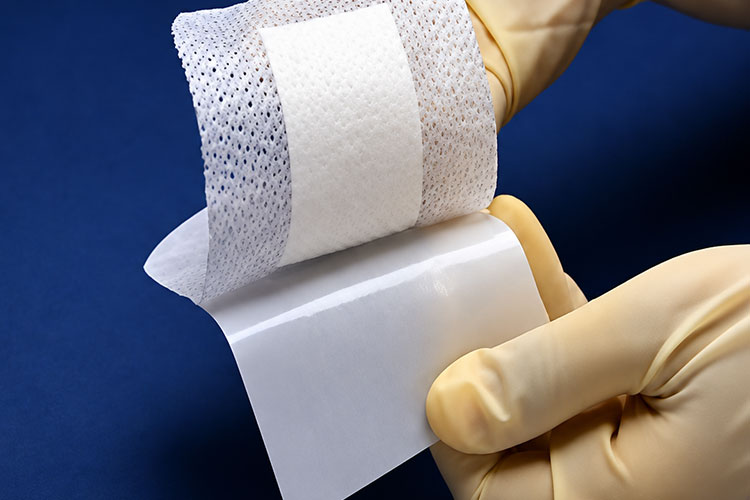
With appropriate coating and release treatment, glassine paper is suitable for medical dressings, medical adhesive products, and other applications requiring high standards of cleanliness and release performance.
Glassine paper and its composites offer a smooth surface, high mechanical strength, and good electrical insulation properties, making them suitable for use in certain electronic components, industrial packaging, and protective materials.
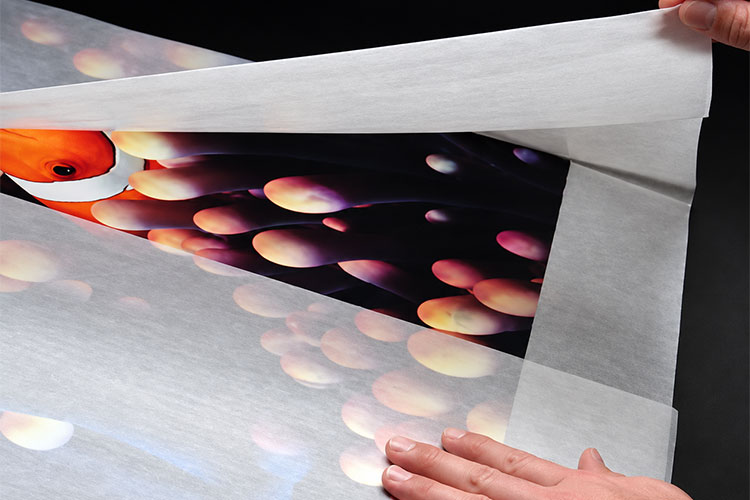
Glassine paper is smooth and translucent, making it ideal for specialty printing, decorative applications, handicrafts, and other products requiring lightweight, translucent paper.
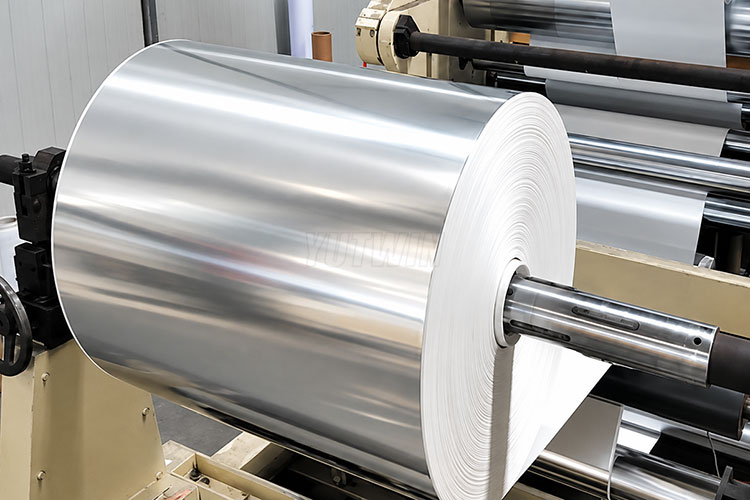
Aluminum Foil Laminated Glassine Paper
Aluminum foil laminated glassine paper is a functional composite material produced by laminating glassine paper with aluminum foil. The glassine paper provides good paper-based strength, surface properties, and processability, while the aluminum foil further enhances the barrier performance of the material.
It can be used for food packaging, candy and confectionery packaging, labels, industrial packaging, and other applications requiring reliable barrier properties.
Yutwin New Materials can laminate glassine paper with aluminum foil in different foil thicknesses according to the product structure and application requirements. We also provide customized printing, slitting, and further converting services to meet specific customer requirements.