
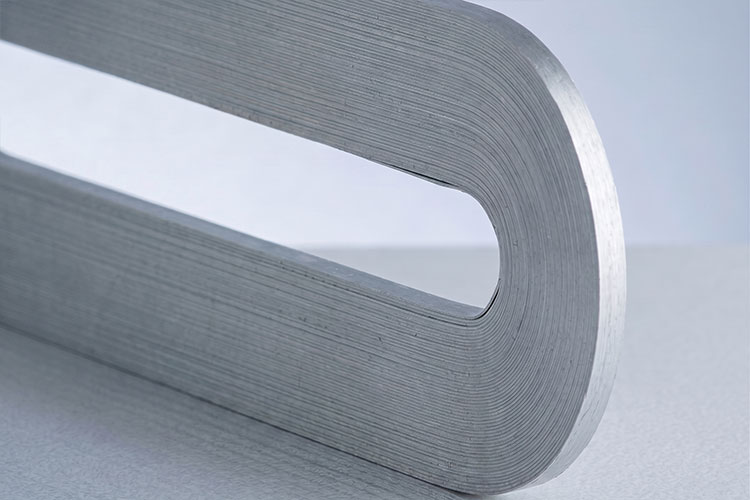
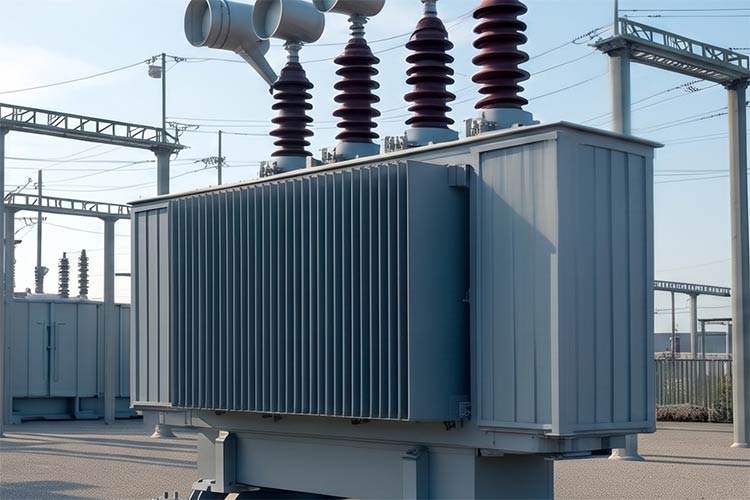
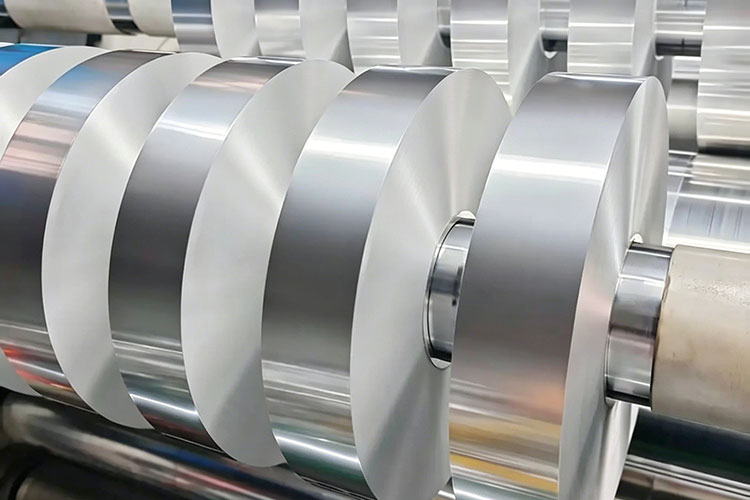
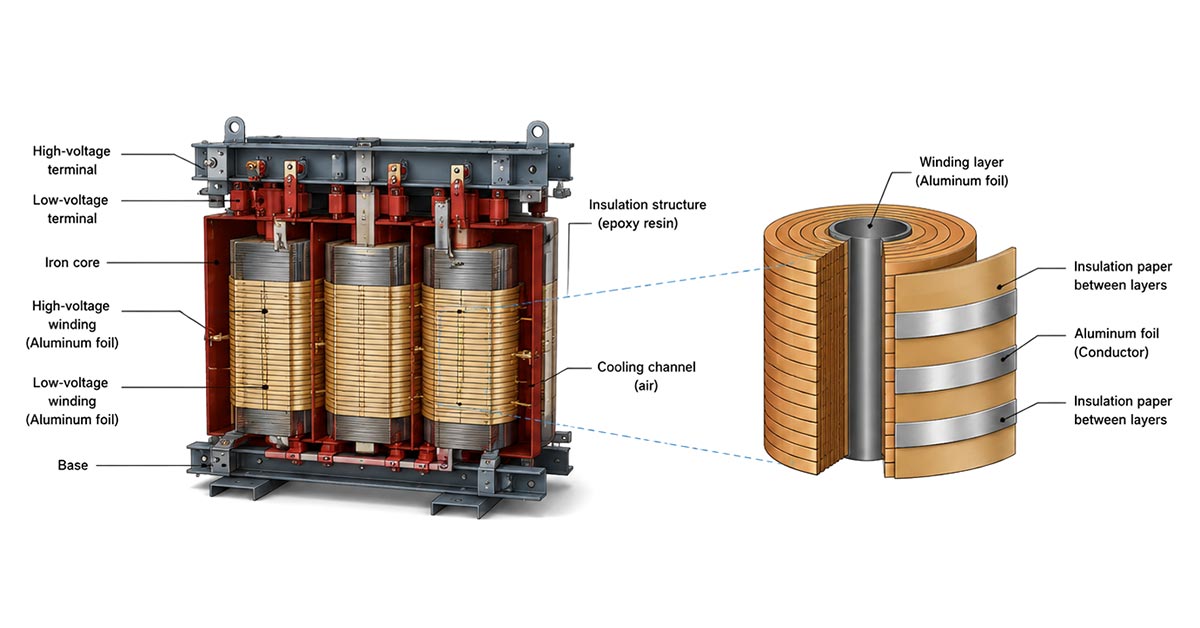
Aluminum foil strip serves as a critical core raw material in the manufacturing of transformer windings—aptly described as the “vascular system” of a transformer! As electric current flows through it, it acts like a conveyor belt, transmitting electrical energy from one end to the other. What is particularly remarkable is that by precisely adjusting the thickness and number of layers of the aluminum foil, engineers can accurately control the transformer’s output voltage. It is primarily produced from high-purity aluminum ingots through a series of processing stages, including rolling, drawing, and annealing. Within a transformer’s electromagnetic system—particularly in dry-type transformers—the windings play a pivotal role as the core of the “electrical circuit,” directly determining the transformer’s overall quality and operational stability.
Description
Yutwin New Materials provides high-performance aluminum materials to its global partners, delivering consistent quality, reliability, and technical support across a wide range of applications. The company is committed to continuous innovation, advancing material performance and manufacturing processes, and actively contributing to the sustainable development and technological progress of the aluminum industry.
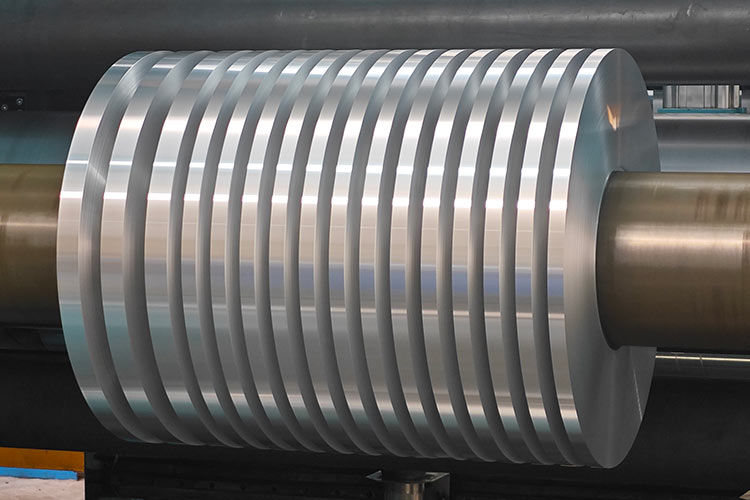
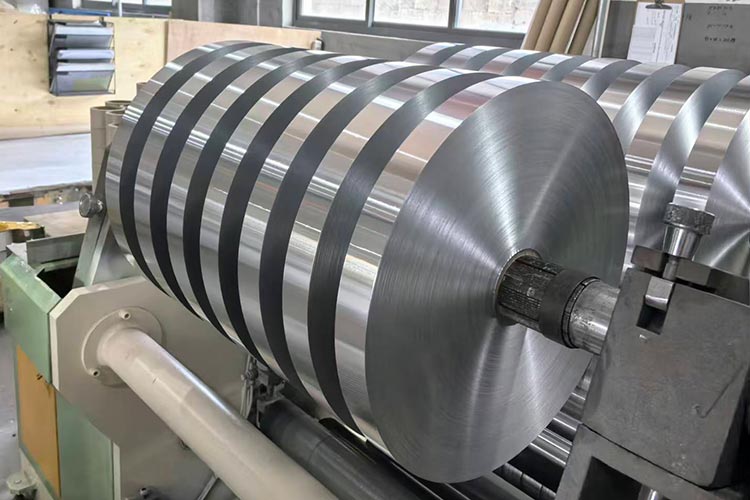
Aluminum Foil in a Transformer
Product Features
- High Electrical Conductivity.
- Uniform Thickness.
- Oil-Free Surface.
- Free of Scratches and Indentations.
- Neat Edges, Free of Burrs.
- Good Elongation.
- Excellent Pressure Resistance.
Main Applications
- Winding Manufacturing (Conductive Circuits)
Widely used in power transformers, distribution transformers, autotransformers, capacitors, and inductors. The aluminum foil strip can be easily wrapped around high/low-voltage primary or secondary windings to serve as the main conductive circuit.
- Grounding Shielding
Used for grounding shielding across key electromagnetic sections during manufacturing to effectively block electromagnetic interference and ensure safe, stable operation.
Key Advantages of Substituting Copper with Aluminum
- High Cost-Effectiveness
Aluminum is an abundant resource with a price significantly lower than that of copper, enabling a substantial reduction in the overall manufacturing costs of transformers.
- Lightweighting and Structural Optimization
Effectively reduces the volume and weight of the equipment, thereby lowering the requirements for insulation materials and structural load-bearing components.
- Strong Corrosion Resistance
Possesses excellent resistance to oxidation; even after prolonged use, it is unlikely to pose safety hazards resulting from corrosion.
Specifications
| Item | Specification |
|---|---|
| Alloy Grades | 1050 / 1060 / 1070 |
| Thickness Range | 0.2 mm – 3.0 mm |
| Width Range | 20 mm – 1650 mm |
| Inner Diameter (I.D.) | 150 mm / 300 mm / 500 mm (customizable) |
| Outer Diameter (O.D.) | Customized according to customer requirements |
| Temper | O (soft), H18, H24 |
| Electrical Conductivity | ≥ 61% IACS (varies by alloy grade) |
| Surface Quality | Smooth surface, oil-free, scratch-free |
| Edge Condition | Deburred / chamfered edges available |
| Processing | Slitting, cutting, coil processing |
| Packaging | Wooden pallet, moisture-proof packing, export standard packaging |
Common Alloy Comparison
| Grade | Aluminum Content | Characteristics | Main Applications |
|---|---|---|---|
| 1050 | ≥99.5% | Good elongation, excellent formability | Standard transformer windings |
| 1060 | ≥99.6% | High electrical conductivity, widely used | Dry-type transformer aluminum foil |
| 1070 | ≥99.7% | Superior electrical conductivity | Transformers with high conductivity requirements |
Thickness vs Application Reference
| Thickness | Typical Application |
|---|---|
| 0.2 – 0.5 mm | Small transformer windings |
| 0.5 – 1.0 mm | Low-voltage windings of dry-type transformers |
| 1.0 – 3.0 mm | High-power electrical transformer windings |