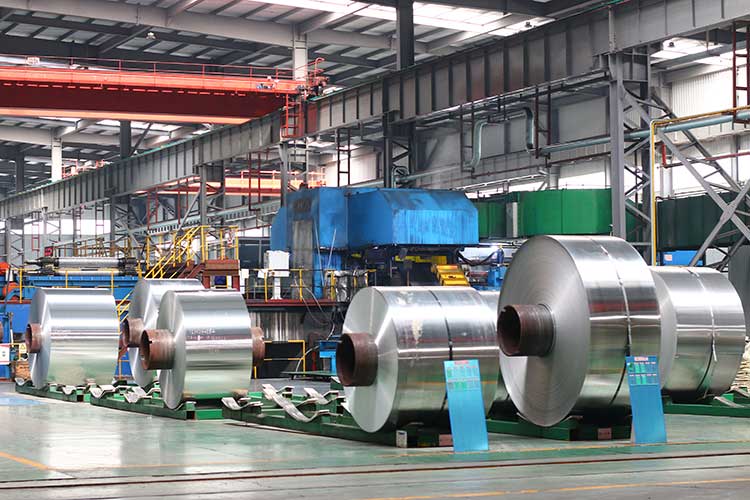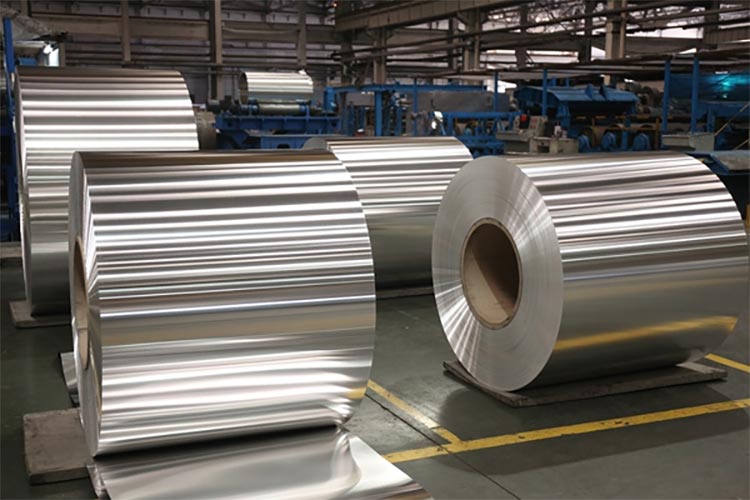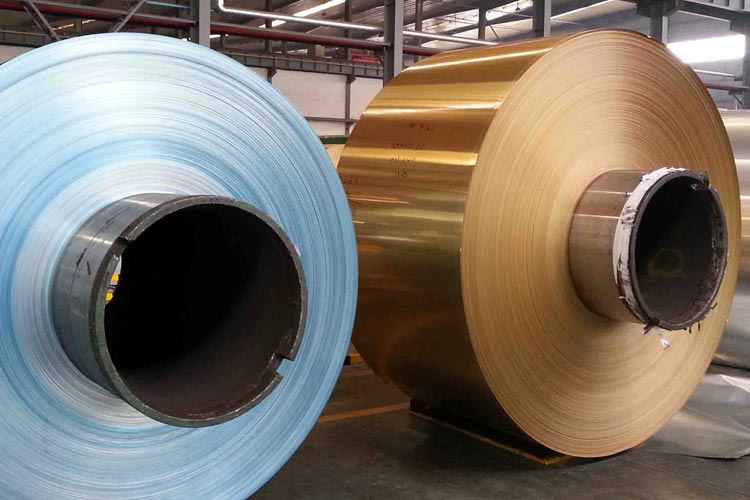
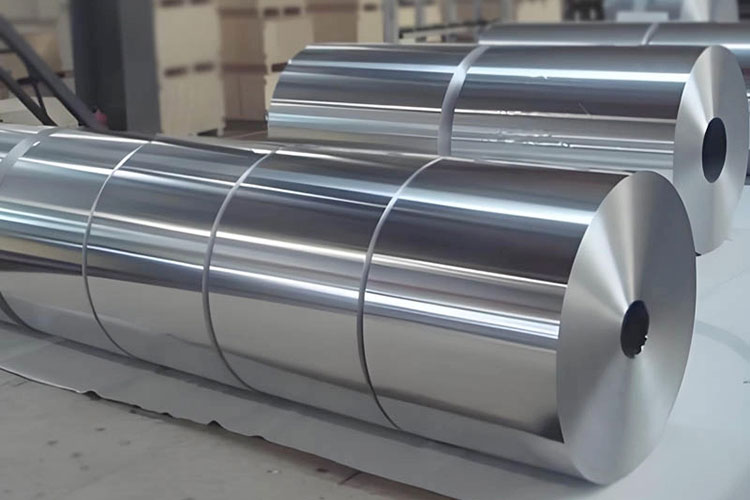
1100 Aluminum Foil Jumbo Rolls
1100 aluminum foil belongs to the 1xxx series of industrially pure aluminum foils; it is rolled from a base material of pure aluminum with an aluminum content of ≥99.00%. Optimized through the addition of trace amounts of copper, this material significantly enhances mechanical strength and resistance to deformation while retaining the excellent corrosion resistance, electrical and thermal conductivity, and processing characteristics of pure aluminum. Consequently, it serves as a versatile industrial aluminum foil material that strikes an optimal balance between performance and cost.
Description
Yutwin New Materials
Yutwin New Materials is committed to providing high-quality aluminum foil solutions to the global market, combining durability, safety, and cost-effectiveness. Our product range covers everything from standard household aluminum foil to industrial jumbo rolls and specialty aluminum foils. In addition to standard specifications, we also offer customized solutions based on customers’ technical requirements, including tailored thickness, width, surface treatment, and packaging options.
Processing Technology
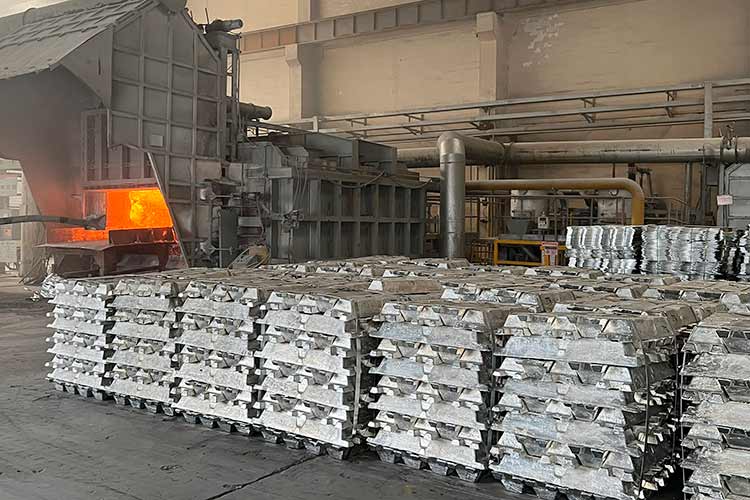
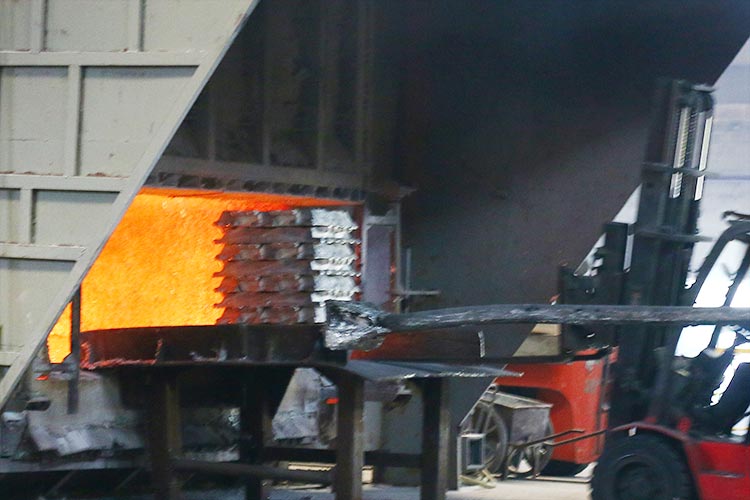
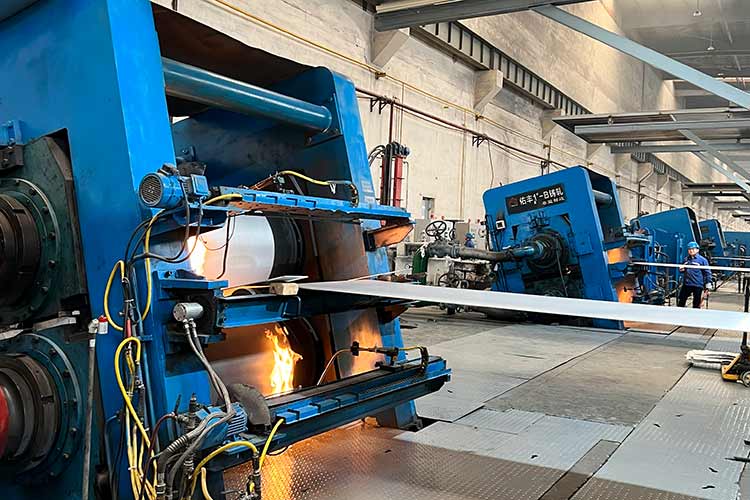
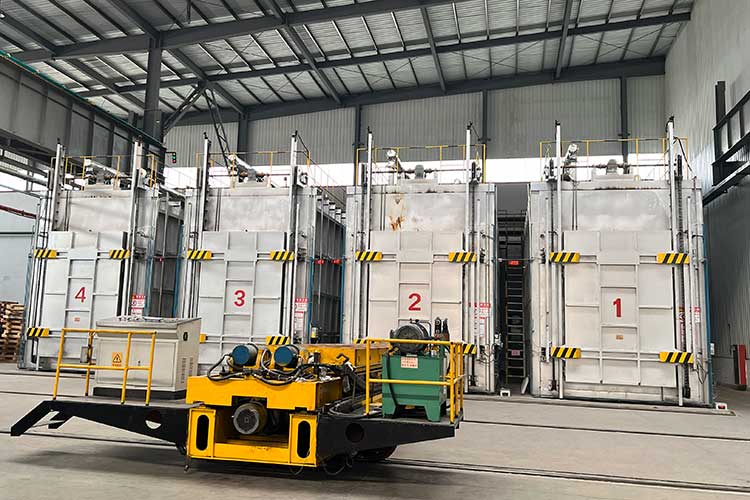
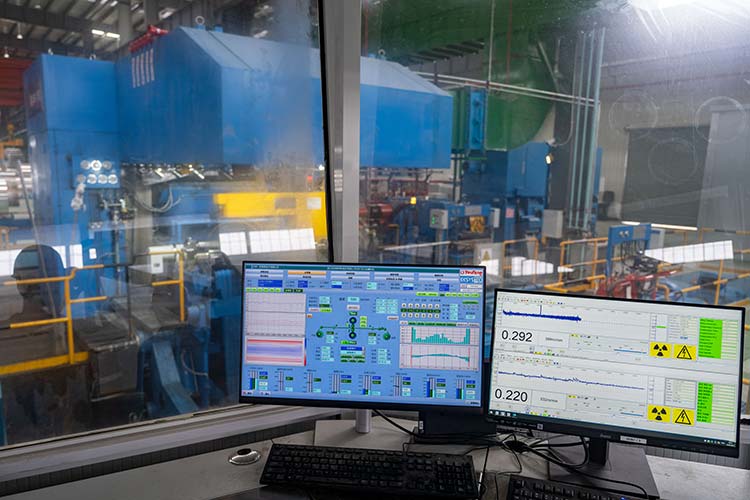
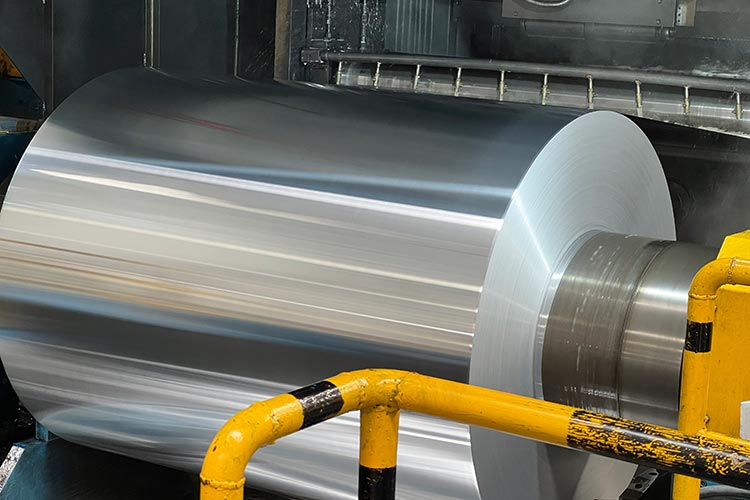
- Aluminum foil is produced through a comprehensive process involving melting, refining, continuous casting and rolling, cold rolling, foil rolling, and final annealing.
- During the melting stage, a synergistic treatment combining inert gas degassing and refining agents is employed to effectively enhance the purity of the molten metal.
- A multi-pass precision rolling process ensures superior surface finish and exceptional thickness uniformity of the material.
- The processing capability covers a thickness range of 0.006 to 0.20 mm, featuring precise dimensional tolerance control to meet the rigorous demands of high-precision industrial applications.
- Depending on specific application scenarios, customers may flexibly select from various temper designations, including O, H14, H24, and H18.
Features of 1100 Aluminum Foil
- High Mechanical Strength
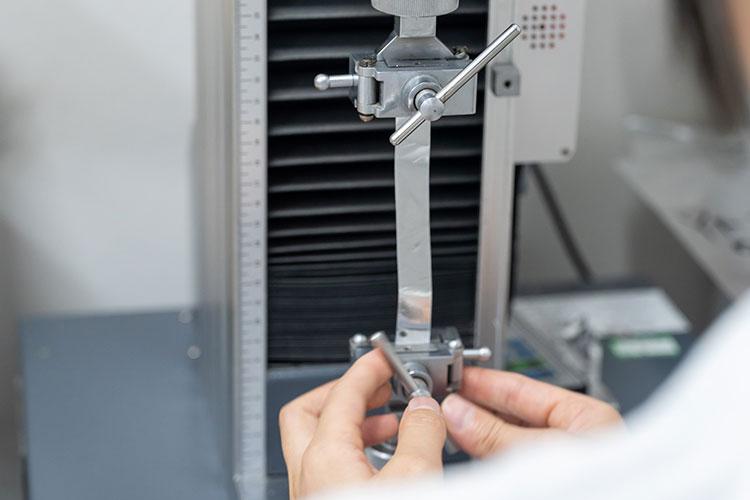
Compared to 1050 and 1060 aluminum foils, it exhibits superior tensile strength and resistance to deformation, making it suitable for applications requiring robust structural performance.
- Excellent Formability
Possessing excellent plasticity and ductility, it accommodates complex processing techniques—such as bending, stamping, and deep drawing—without easily cracking or exhibiting springback.
- Stable Corrosion Resistance
It demonstrates stable performance in atmospheric, aqueous, and mildly corrosive environments, making it suitable for long-term use.
- Good Processing Adaptability
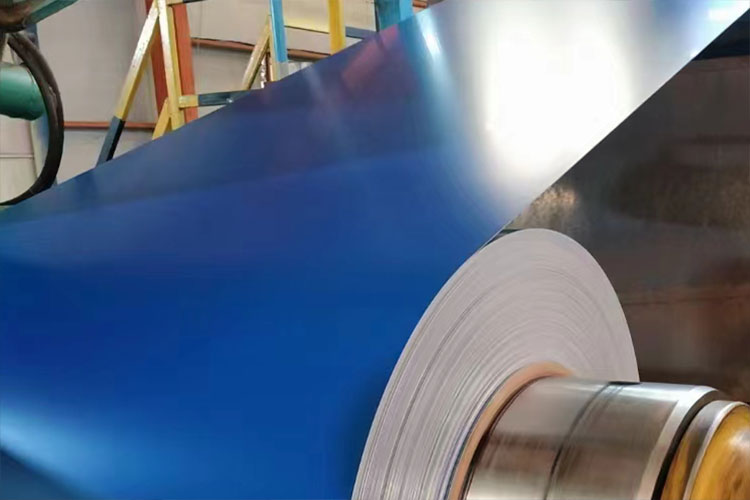
It supports various surface treatments—including anodizing, coating, and printing—while also offering excellent weldability.
- Distinct Cost-Effectiveness
While meeting the performance requirements of most industrial applications, it offers lower material and operational costs.
Specifications
| Parameter | Description |
|---|---|
| Alloy | 1100 |
| Chemical Composition (%) | Al ≥ 99.0, Fe ≤ 0.95, Si ≤ 0.95, Cu ≤ 0.05, Mn ≤ 0.05, Zn ≤ 0.1, Ti ≤ 0.03, Others ≤ 0.05 |
| Temper | O, H14, H18, H24 |
| Thickness Range | 6 – 200 μm (commonly 9 / 12 / 15 μm) |
| Width | Customizable |
| Surface Finish | Bright / Matte |
1100 Aluminum Foil Temper & Selection Guide
| Temper | Material Characteristics | Processing Performance |
|---|---|---|
| O (Annealed) | Soft temper with excellent ductility and elongation | Ideal for deep drawing, stretching, and complex forming; resistant to cracking |
| H14 (Half-hard) | Balanced strength and ductility | Suitable for bending, stamping, and general forming |
| H24 (Half-hard) | Higher strength than H14 with moderate formability | Suitable for medium-complexity forming and structural parts |
| H18 (Full-hard) | High strength and hardness, low ductility | Not suitable for complex deformation; mainly for simple forming |
Common Applications
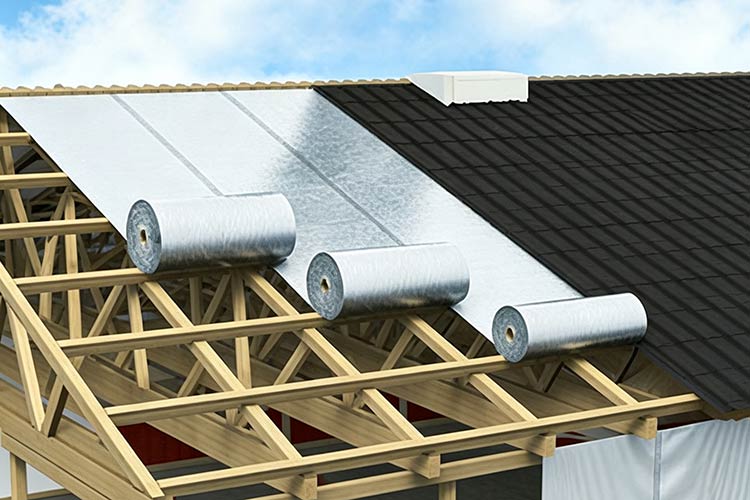
- Architecture & Building Materials
Aluminum-plastic composite panels, roofing waterproofing materials, thermal insulation layers, decorative aluminum foil, etc.
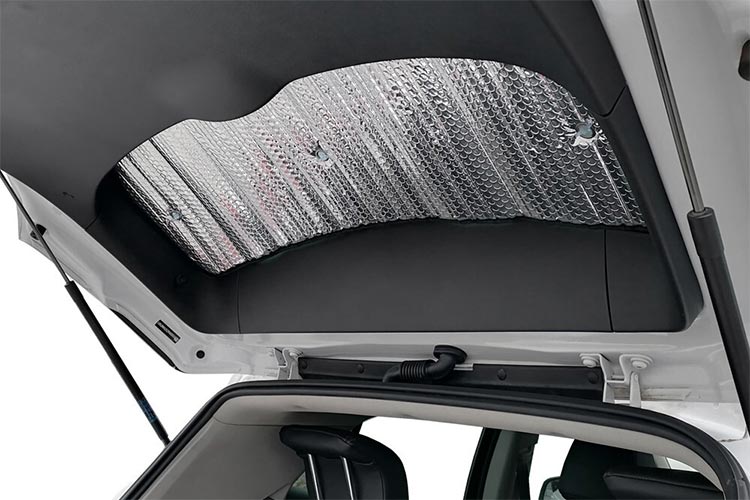
- Transportation
Automotive heat shields, sound-insulating composite materials, interior components, and rail transit support materials.
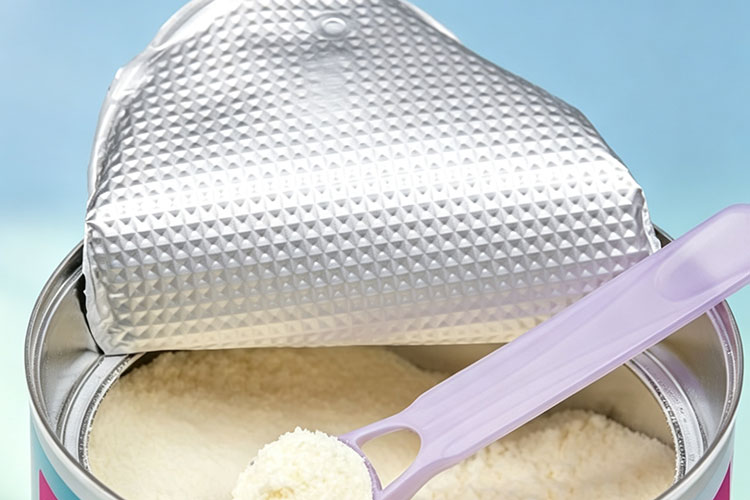
- Food Packaging
Used for moisture-proof and airtight food packaging, food container base materials, and bottle cap sealing liners. Complies with relevant food-contact safety requirements.
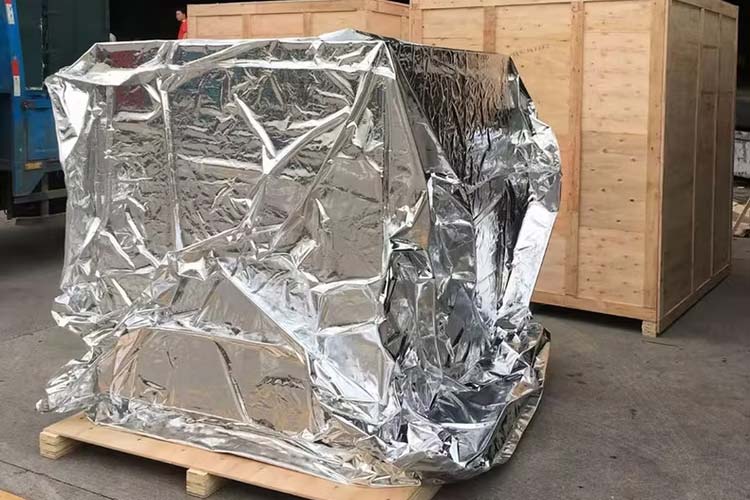
- Industry & Hardware
Industrial packaging, aluminum flexible tubing, stamped parts, signage and nameplates, kitchenware, etc.
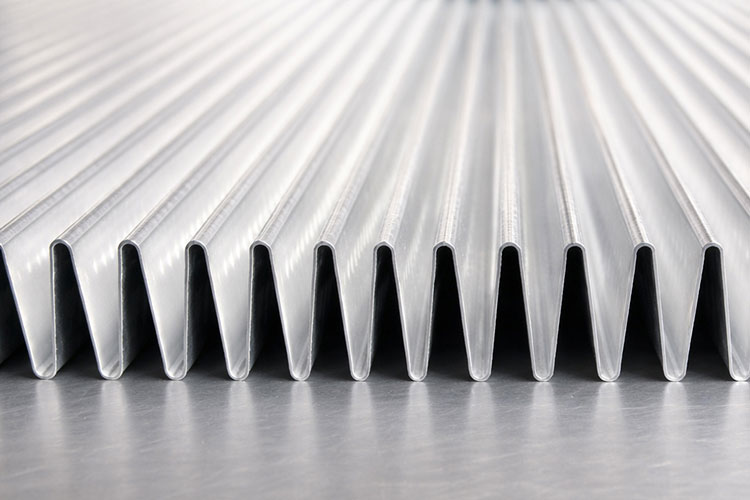
- Other Fields
Heat exchange equipment, air conditioning cooling fins, chemical-resistant linings, daily-use decorative materials, etc.
FAQs
Can 1100 foil be used for food contact applications?
Food-grade compliant 1100 aluminum foil can be used for food packaging. It has stable chemical properties and does not release harmful substances under normal usage conditions. However, it must pass food-contact safety testing, including heavy metal migration and other relevant regulatory requirements.
What should be considered during processing of 1100 foil?
Although it has excellent formability, processing should be properly controlled: avoid excessive stretching to prevent tearing; control stamping pressure to prevent wrinkling; and use appropriate pure aluminum welding processes, avoiding excessive heat that may affect material properties.
What are the storage requirements for 1100 foil?
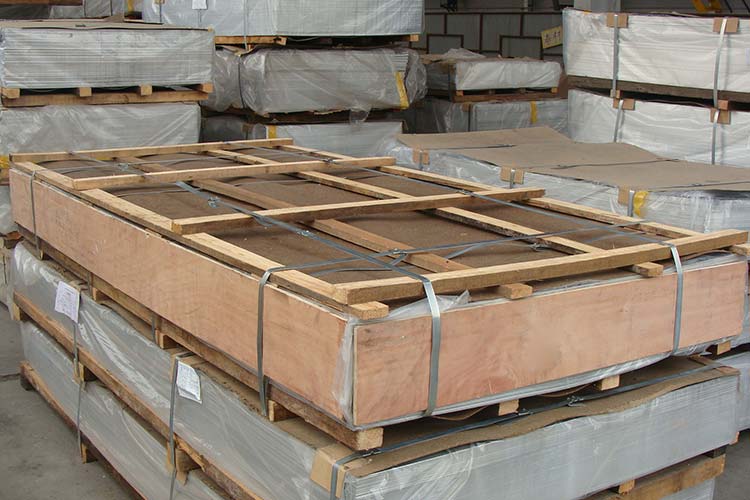
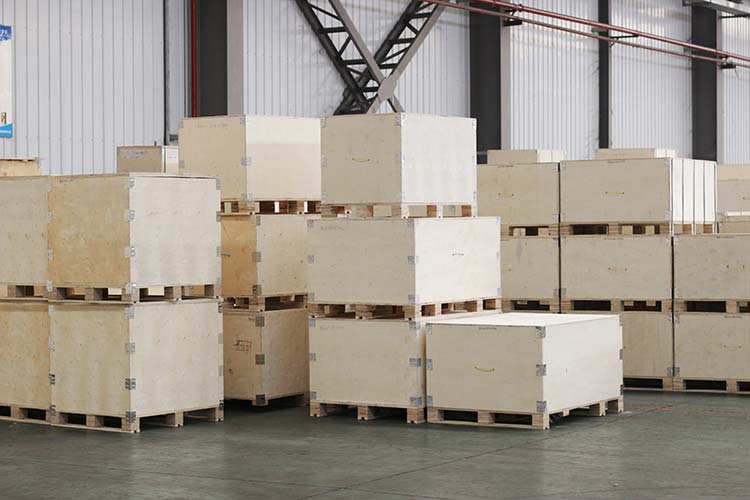
It should be stored in a dry, well-ventilated environment, away from acidic or alkaline corrosive substances. During stacking, heavy pressure should be avoided to prevent deformation. For long-term storage, moisture-proof packaging is recommended to reduce exposure to humid air.
How is 1100 foil recycled?
1100 aluminum foil has a high recycling rate. It can be remelted into aluminum ingots and reused for producing new aluminum foil or other aluminum products. This enables resource recycling and provides both environmental and economic benefits.