1235 Aluminum Foil Jumbo Rolls
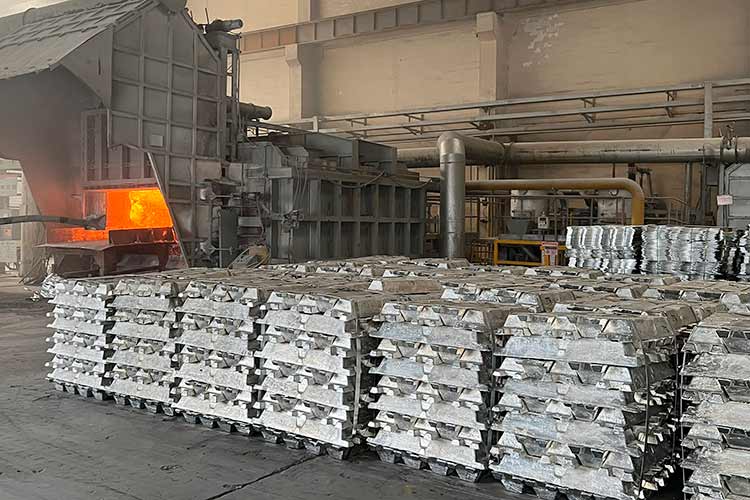
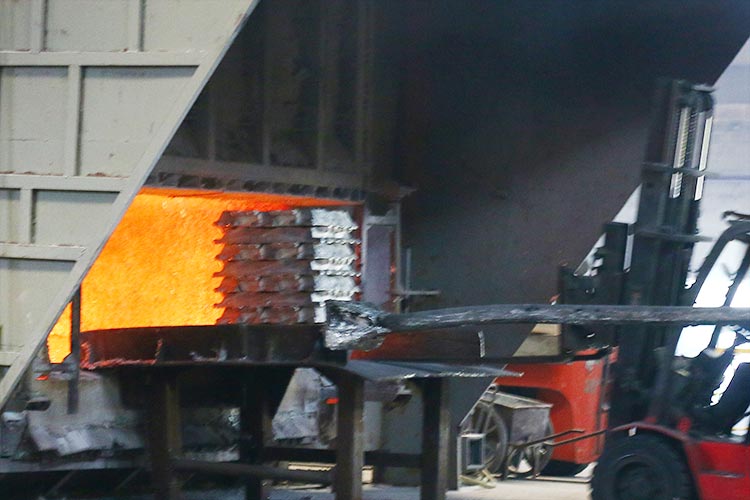
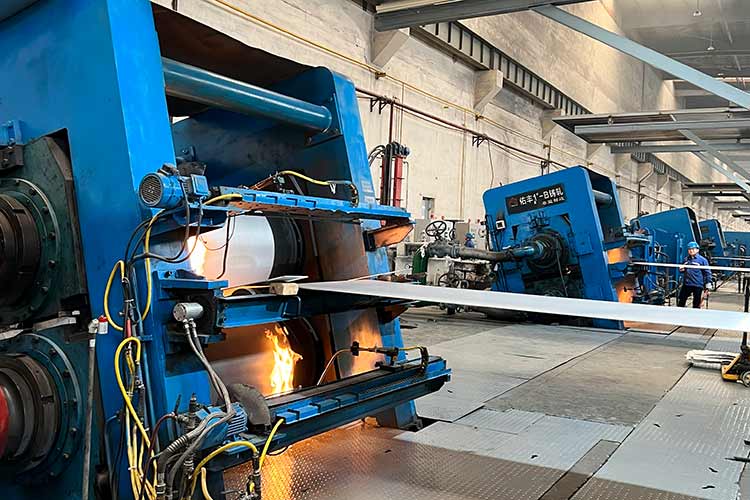
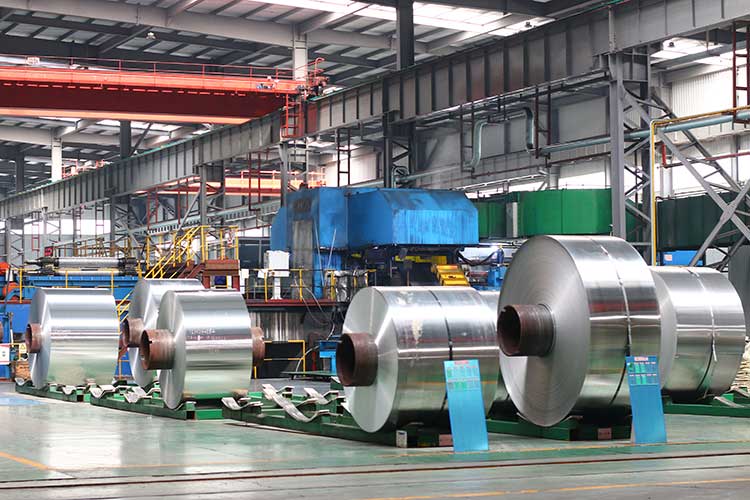
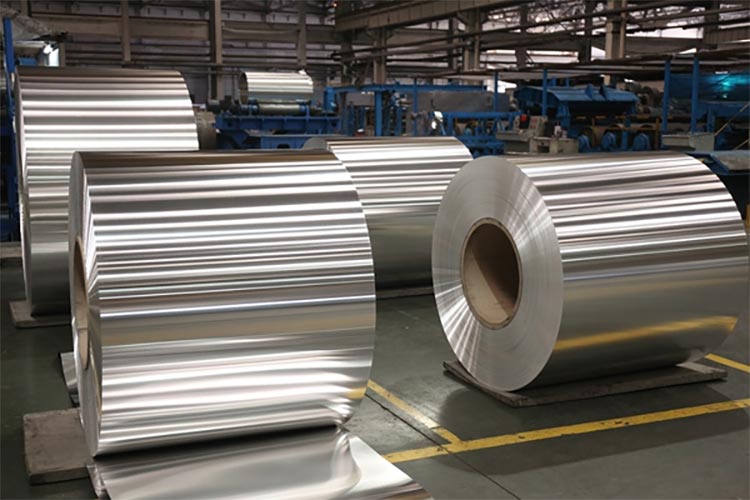
1235 aluminum foil is a high-ductility aluminum alloy widely used in hot rolling and casting processes. It is particularly suitable for lamination and forming applications, including light drawing and shallow drawing. With continuous advancements in manufacturing technology and increasing global emphasis on sustainable development, it is a lightweight, efficient, and recyclable material finding increasingly widespread application across various industries.
Description
Yutwin New Materials
Yutwin New Materials is committed to providing high-quality aluminum foil solutions to the global market, combining durability, safety, and cost-effectiveness. Our product range covers everything from standard household aluminum foil to industrial jumbo rolls and specialty aluminum foils. In addition to standard specifications, we also offer customized solutions based on customers’ technical requirements, including tailored thickness, width, surface treatment, and packaging options.
Performance Characteristics of 1235 Aluminum Foil
- Mechanical Properties
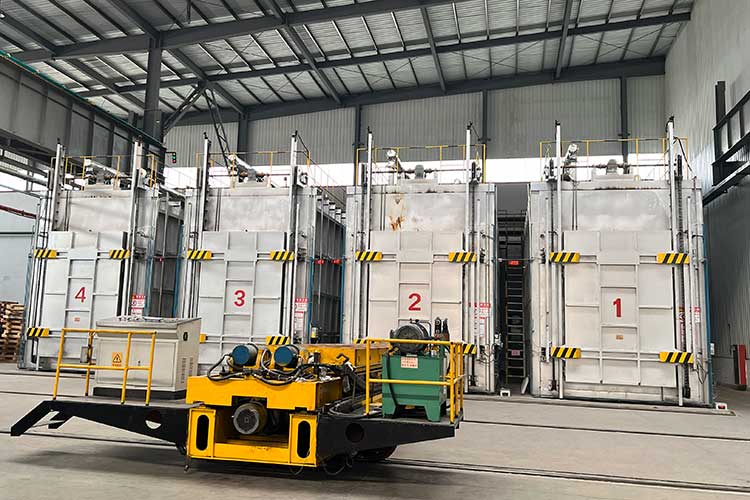
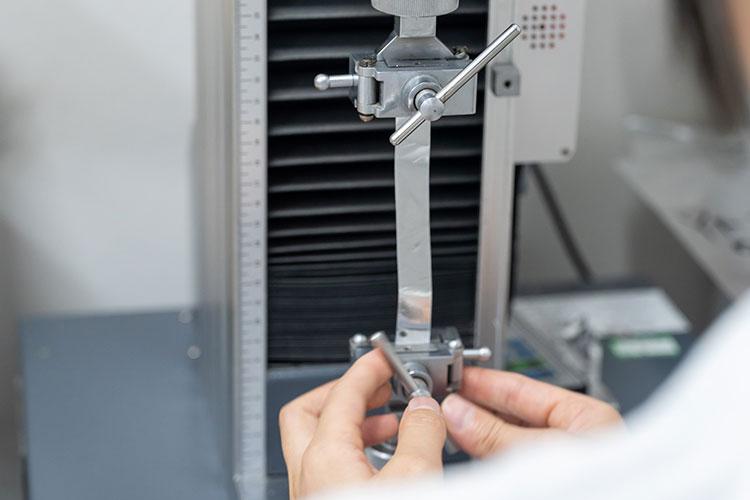
The mechanical properties of 1235 aluminum foil vary significantly depending on its state: In the hard state (e.g., H12, H14), the tensile strength can reach 120-180MPa, with an elongation of only 3%-8%, exhibiting excellent stiffness and shape stability. It is not easily deformed under stress, effectively maintaining the structural integrity of the product. In the soft state (O state), after professional annealing, the tensile strength decreases to 70-100MPa, while the elongation increases significantly to 25%-35%, resulting in significantly enhanced flexibility and providing a good foundation for subsequent complex forming processes.
- Surface Characteristics
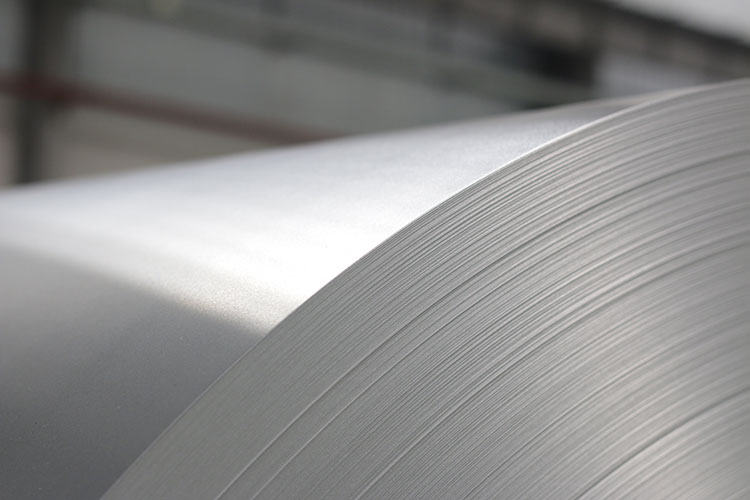
1235 aluminum foil is produced using a high-precision rolling process, resulting in a smooth and clean surface free of obvious scratches, oxide spots, and other defects. The roughness is controlled at an excellent level of Ra≤0.3μm. Meanwhile, through strict production process control, the pinhole density can be controlled to ≤3 pinholes/m² (pinhole diameter ≥0.3mm). Stable pinhole control effectively ensures the material’s barrier properties—providing excellent barrier effects against oxygen, water vapor, and odors, effectively extending the shelf life of packaged products and protecting the contents from external environmental influences.
- Formability
The formability of 1235 aluminum foil is closely related to its state: Rigid products, due to their higher strength and lower flexibility, require a bending radius ≥1.5 times the foil thickness. Their deep-drawing performance is weaker than soft products, making them more suitable for simple structures and parts requiring no complex deformation. Soft products, on the other hand, possess excellent deep-drawing and bending performance, with a minimum deep-drawing depth of 8-10 times the foil thickness and a bending radius as low as 0.5 times the foil thickness. They can easily handle the forming requirements of complex curved surfaces and irregular structures, making them an ideal choice for deep-drawing products.
- Corrosion Resistance
1235 aluminum foil uses pure aluminum as its base, with an aluminum content of ≥99.35%. The naturally formed alumina film effectively isolates it from corrosive media such as air and moisture. It exhibits excellent corrosion resistance in normal atmospheric environments, food contact environments, and general industrial environments, and is not prone to oxidation or rust. Furthermore, its corrosion resistance meets the standard of ≥48 hours without significant corrosion in neutral salt spray tests, satisfying the service life requirements of most applications without the need for additional complex anti-corrosion treatments.
Technical Specifications
| Category | Details |
|---|---|
| Alloy | 1235 |
| Temper | F, O, H12, H14, H16, H18, H22, H24, H26 |
| Processing Method | Hot Rolled (HR) / Cast Rolled (CR) |
| Thickness Range | 0.006 mm – 0.2 mm (customizable) |
| Width Range | 100 mm – 1600 mm (customizable) |
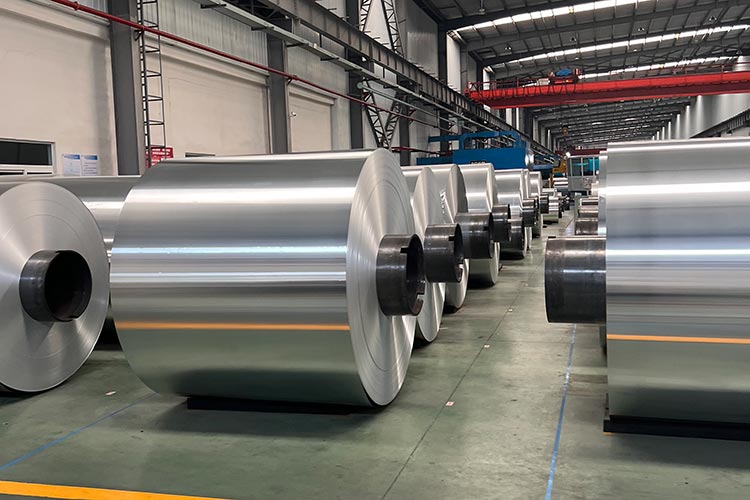
| Length / Coil ID | Coil form; ID: 76 mm / 152 mm (standard) |
| Surface Finish | One side bright / one side matte (standard) |
| Surface Quality | Clean surface, low pinhole rate, no oil stains or defects |
| Further Processing | Lamination, printing, slitting, embossing, die-cutting |
| Standards | GB / ASTM / EN (available upon request) |
Subsequent Processing
1235 aluminum foil boasts excellent processing compatibility, allowing for diverse subsequent processing to meet application requirements.
- Lamination
It can be dry-laminated and extruded with materials such as plastic films (e.g., PET, PE, CPP), paper, and non-woven fabrics. The resulting composite material combines the barrier properties of aluminum foil with the flexibility and printability of the substrate.
- Printing
With optimized surface tension (dyne value ≥38mN/m), it is compatible with gravure printing, flexographic printing, and other processes, producing clear and strong-adhesion printed patterns that meet the brand display and information labeling needs of packaging products.
- Slitting and Die-Cutting
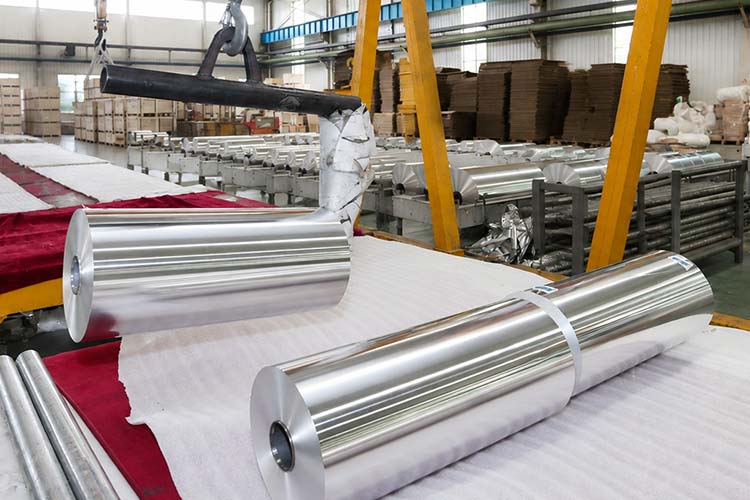
It can be slitting with high precision according to the actual usage dimensions (slitting tolerance ≤±0.5mm), and can also be die-cut into specific shapes such as circles, squares, and irregular shapes, suitable for efficient operation of automated production lines, such as beverage sealing films and electronic component gaskets.
- Other processing options
Embossing, folding, and welding can also be performed to expand the product’s functions and applications. For example, embossed aluminum foil can be used for decorative panels, and welded aluminum foil can be used for sealing industrial pipes.
Typical Applications of 1235 Aluminum Foil
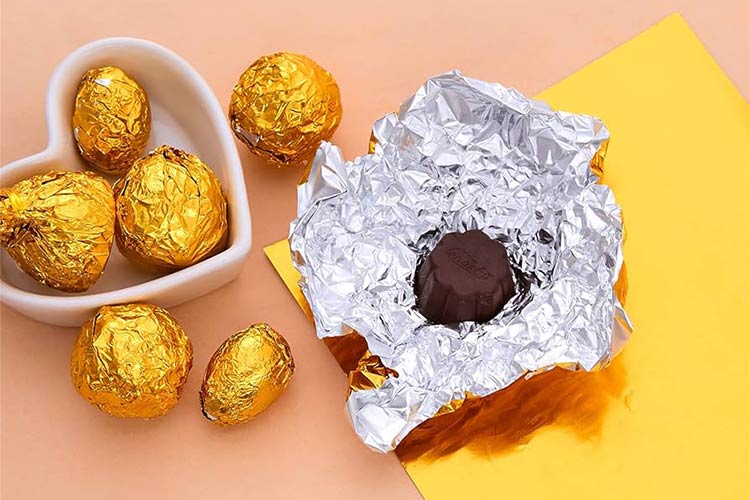
- Food Packaging
Widely used in food containers, chocolate wrapping, and beverage sealing foils. Its excellent barrier properties help preserve freshness and prevent contamination from moisture and odors.

- Electrical & Electronics
Applied in capacitors, battery electrodes, cable shielding layers, and heat dissipation components due to its good electrical and thermal conductivity.
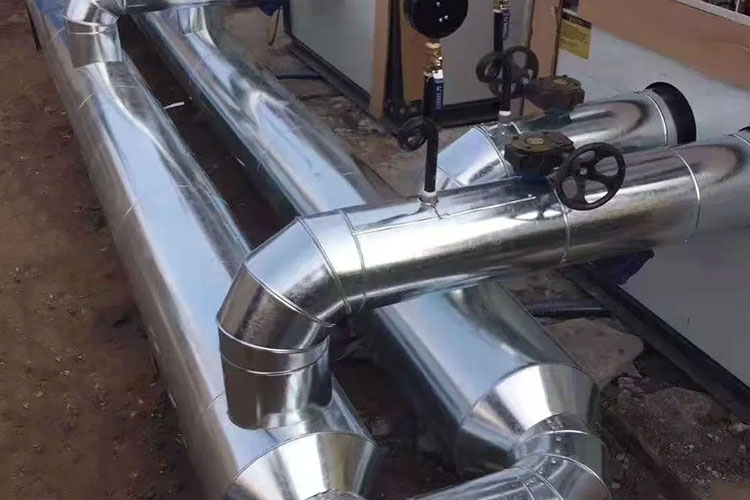
- Building & Construction
Used as insulation layers and reinforcement in waterproofing membranes for roofing and wall systems, improving thermal efficiency.
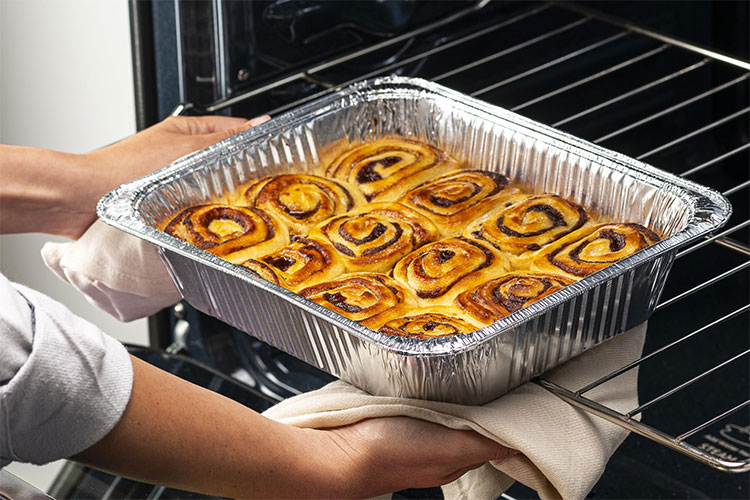
- Consumer Goods
Commonly found in pharmaceutical packaging, cosmetic containers, and household baking molds, offering a lightweight and hygienic solution.