

Aluminum Foils
Providing Professional Aluminium Foil Material Solutions
YUTWIN New Materials
High-quality Aluminum Foil Manufacturer in China
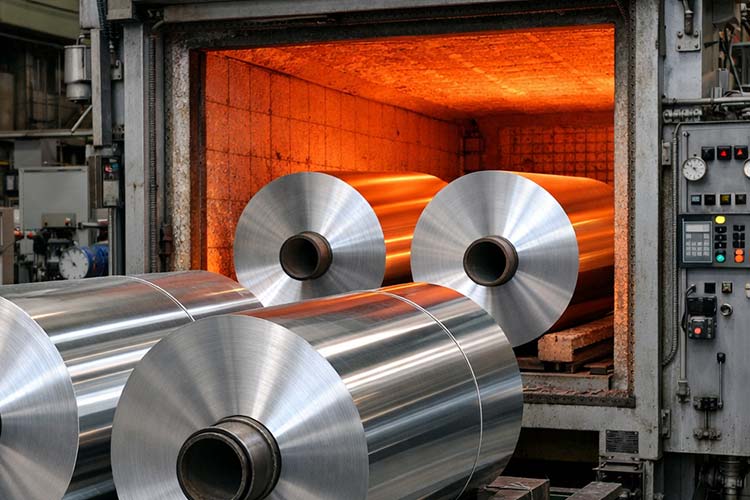
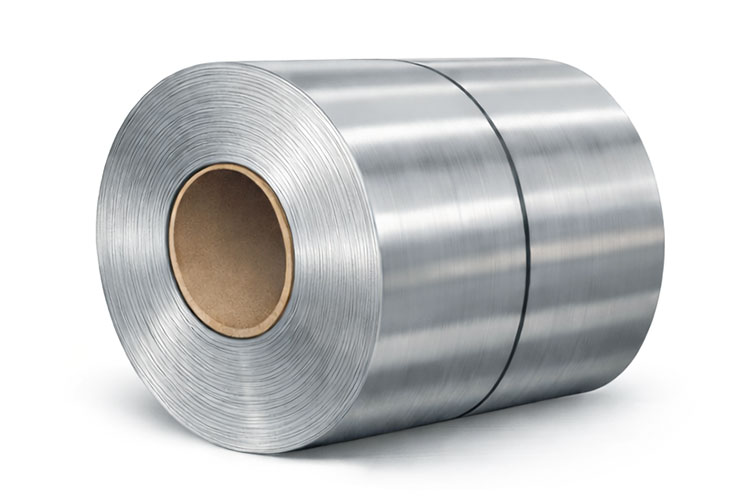
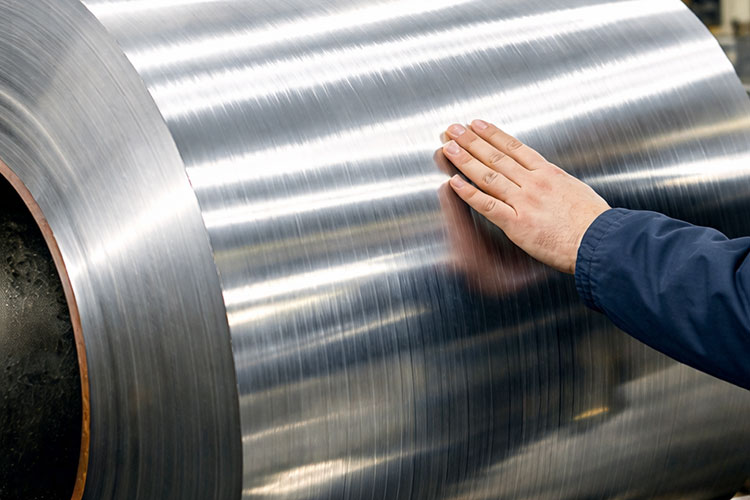
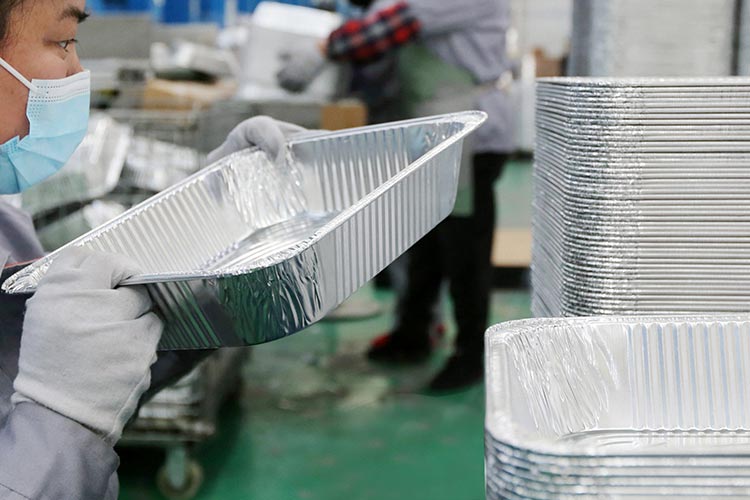
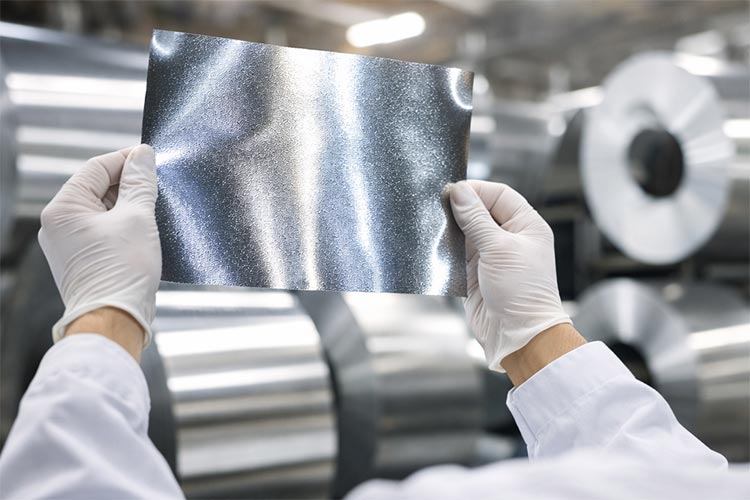
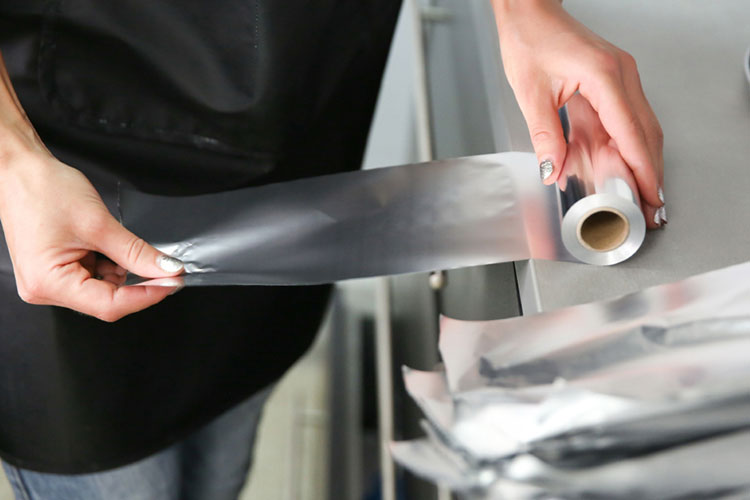
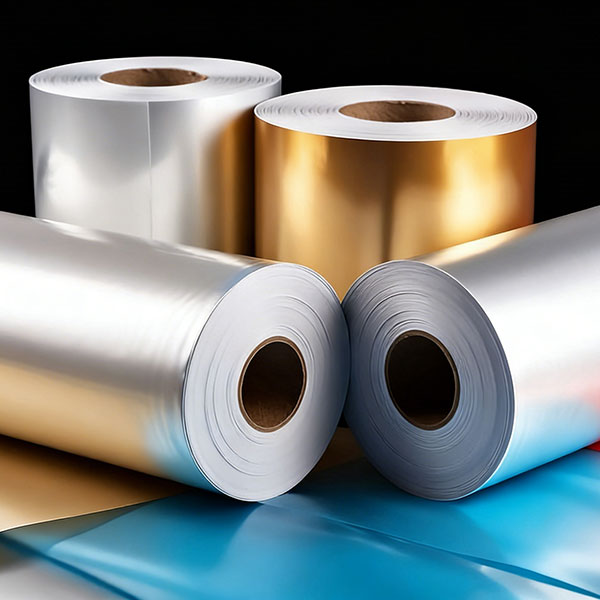
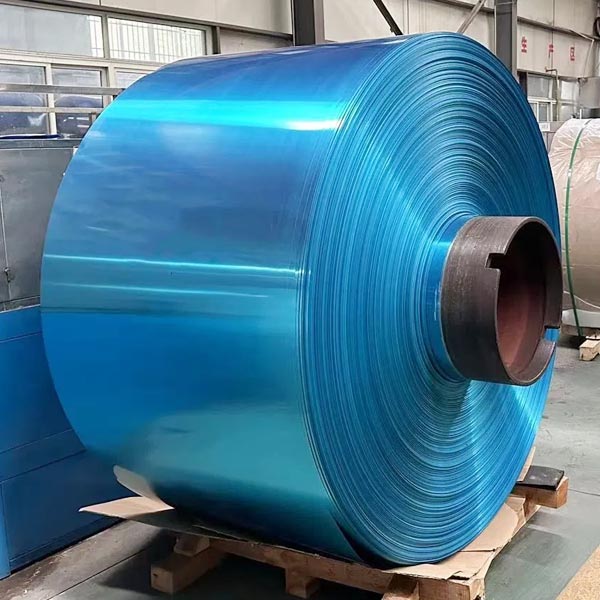
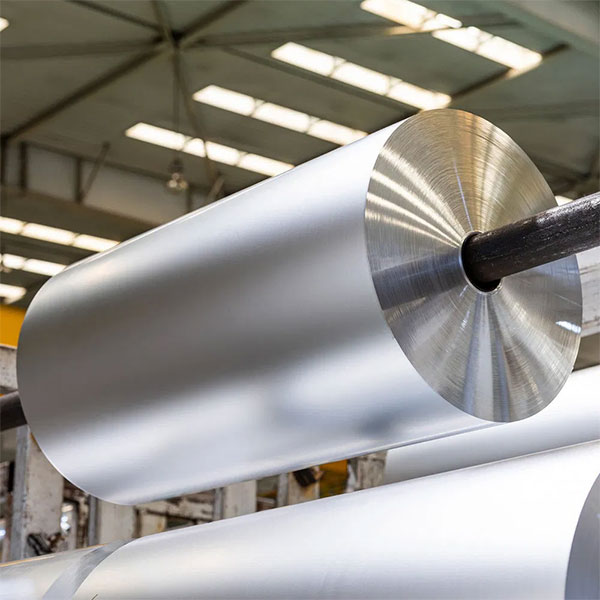
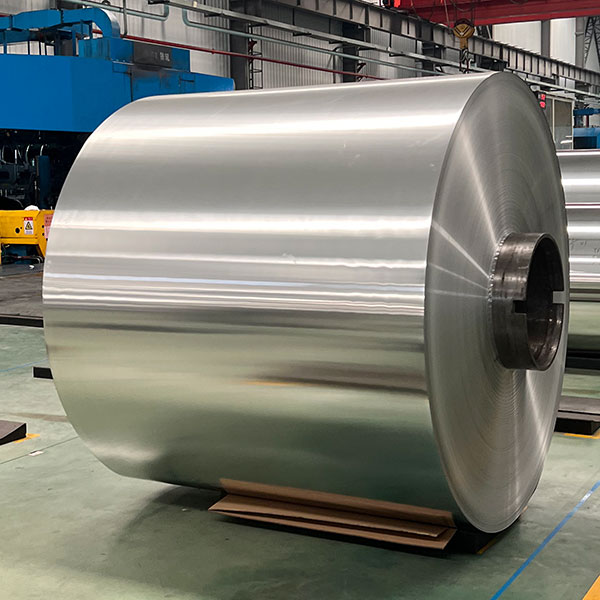
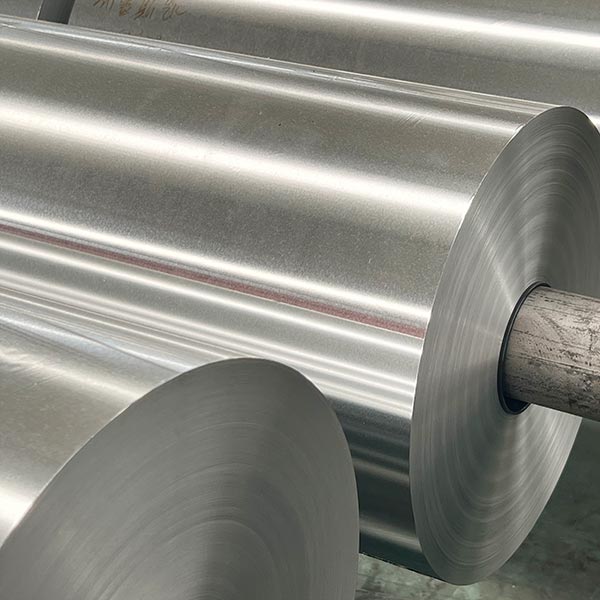
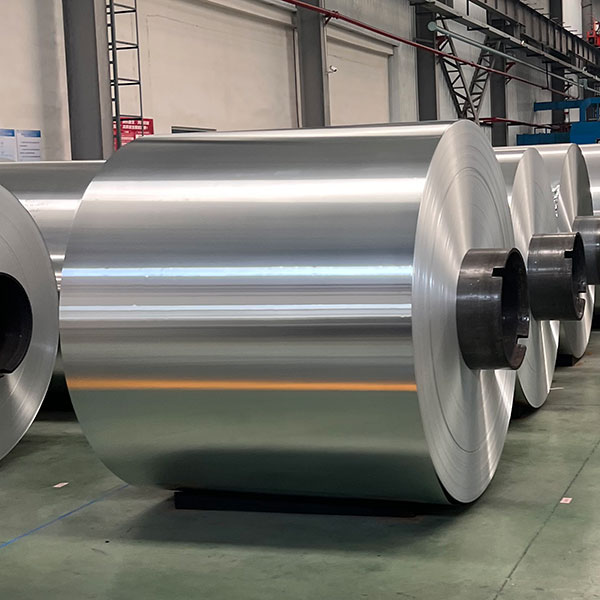
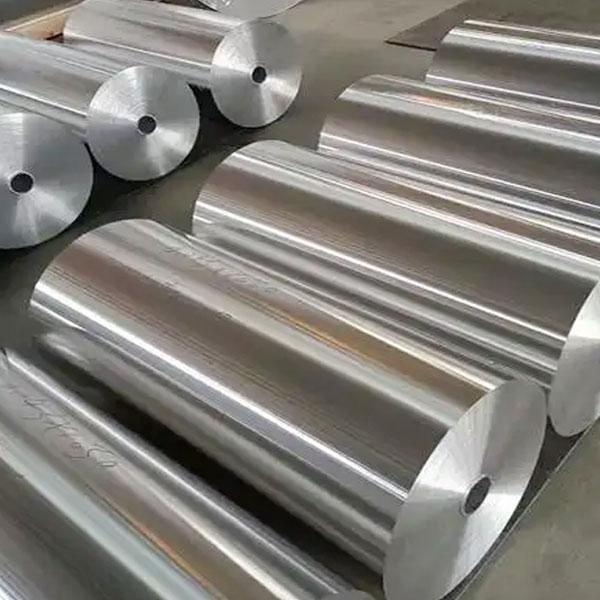
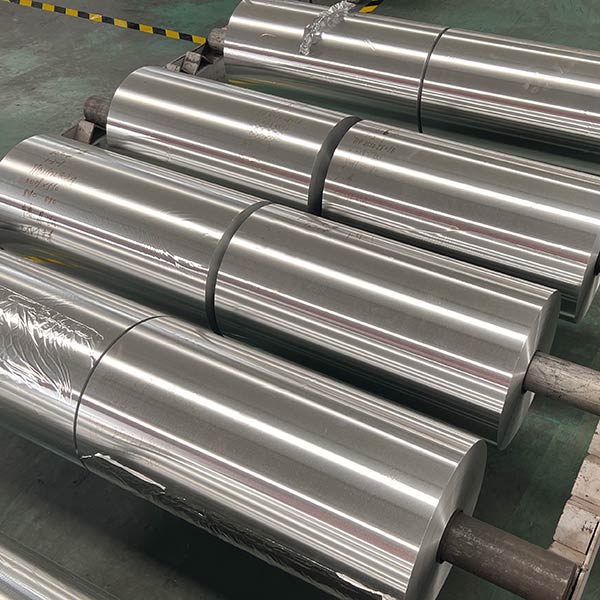
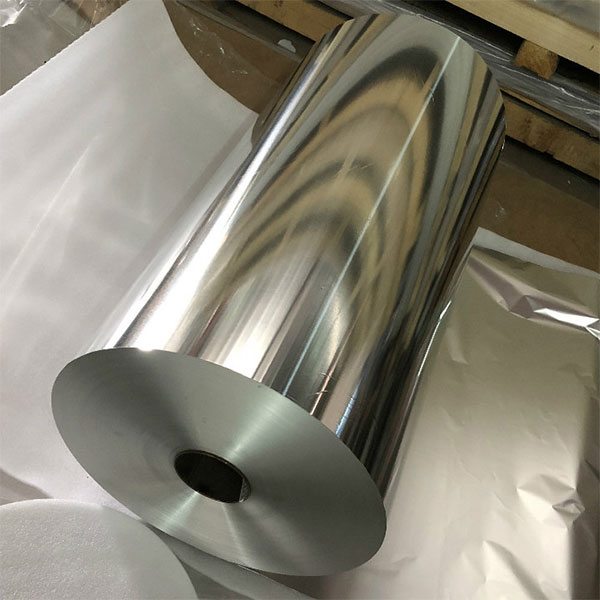
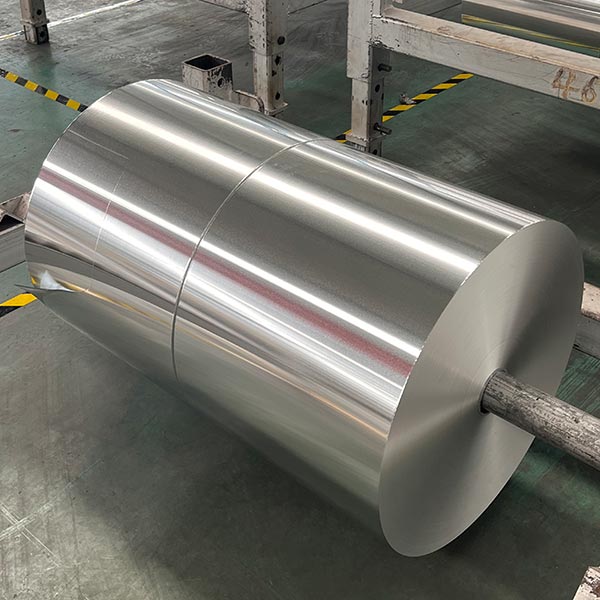
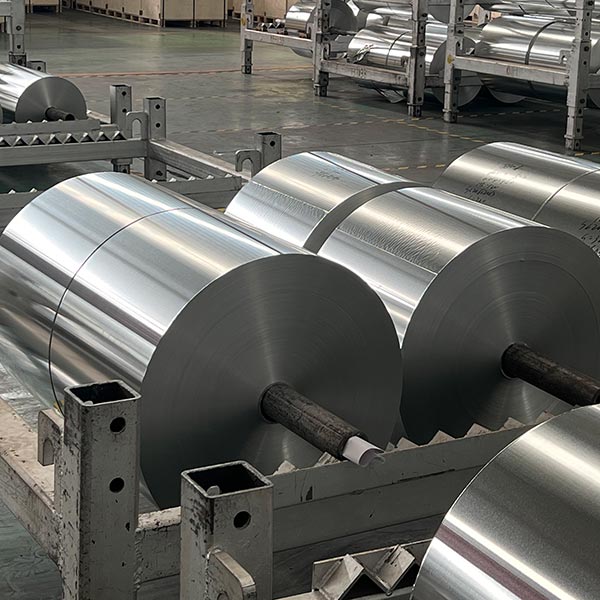
Yutwin New Materials is committed to providing high-quality aluminum foil solutions to the global market, combining durability, safety, and cost-effectiveness. Our product range covers everything from standard household aluminum foil to industrial jumbo rolls and specialty aluminum foils. In addition to standard specifications, we also offer customized solutions based on customers’ technical requirements, including tailored thickness, width, surface treatment, and packaging options.
Aluminum Foil Specifications
| Series | Alloy / Grade | Temper | Thickness (mm) | Width (mm) |
|---|---|---|---|---|
| 1000 Series | 1100, 1145, 1050, 1060, 1070, 1200, 1235 | O, H14, H16, H18, H19, H22, H24, H26 | 0.0045 – 0.2 | 3 – 1800 |
| 3000 Series | 3003, 3004, 3005 | O, H14, H16, H18, H19, H22, H24, H26 | 0.0045 – 0.2 | 3 – 1800 |
| 5000 Series | 5052, 5A02 | O, H14, H16, H18, H19, H22, H24, H26 | 0.0045 – 0.2 | 3 – 1800 |
| 7000 Series | 7072 | O, H14, H16, H18, H19 | 0.0045 – 0.2 | 3 – 1800 |
| 8000 Series | 8006, 8011, 8021, 8079 | O, H14, H16, H18, H19, H22, H24, H26 | 0.0045 – 0.2 | 3 – 1800 |
Premium Customized Services
We help you create products that perfectly match your brand and market needs. We offer tailored aluminum foil OEM solutions, fully customized to your unique specifications. From alloy selection, tempering condition, and thickness, to surface treatment and packaging design, each roll of aluminum foil is meticulously manufactured to ensure consistent quality, superior performance, and complete compliance with your production requirements.
☑ Free Samples
Provide free samples, allowing customers to evaluate product quality before placing bulk orders.
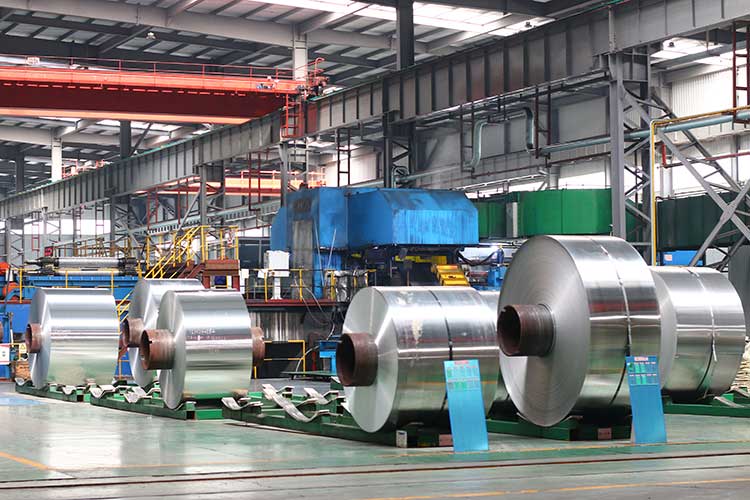
☑ Factory Direct Supply
Ensures competitive pricing, fast delivery, and consistent, reliable product quality.
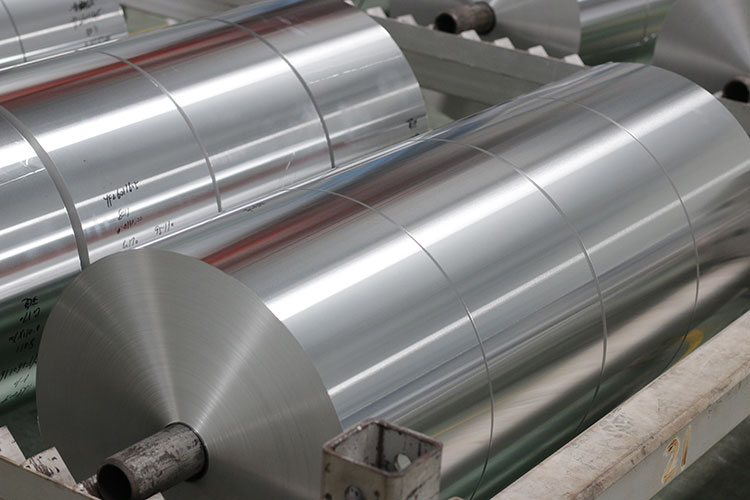
☑ Minimum Order Quantity
1 ton, suitable for both small-scale trials and large-scale industrial applications.

☑ Post-Processing
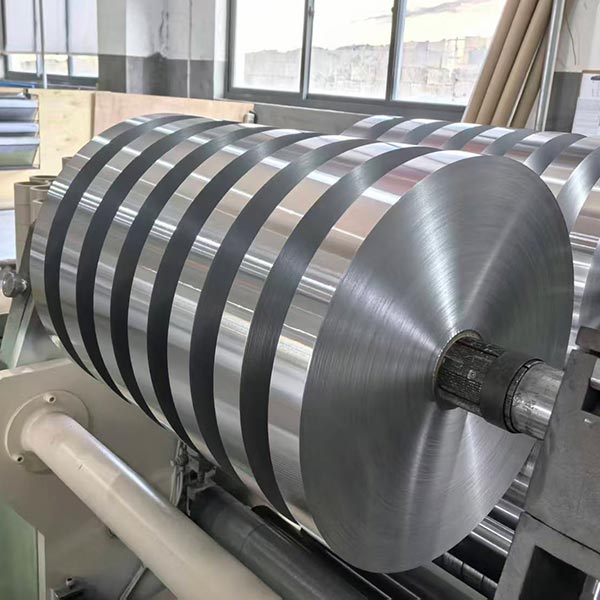
We can provide precision cutting, slitting and edge treatment, lamination and coating and other processing services to meet precise size and application specifications.
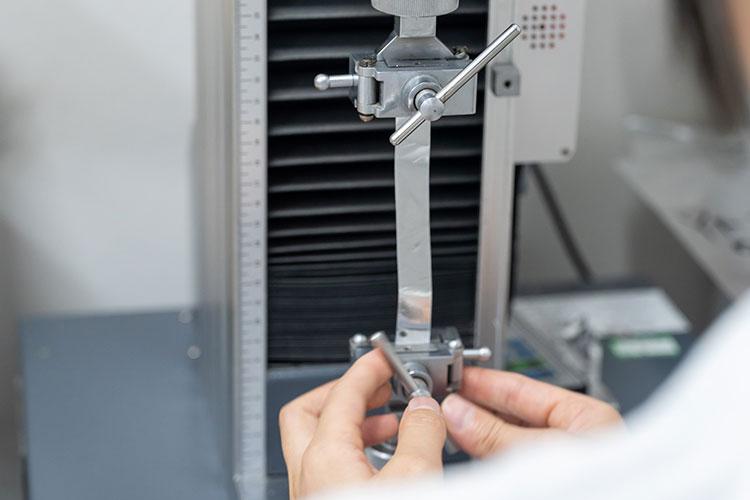
☑ Quality and Compliance
Products comply with relevant international standards such as ASTM, EN, GB/T, and JIS. Full certifications and chemical composition reports are provided, ensuring reliable material performance and traceability.
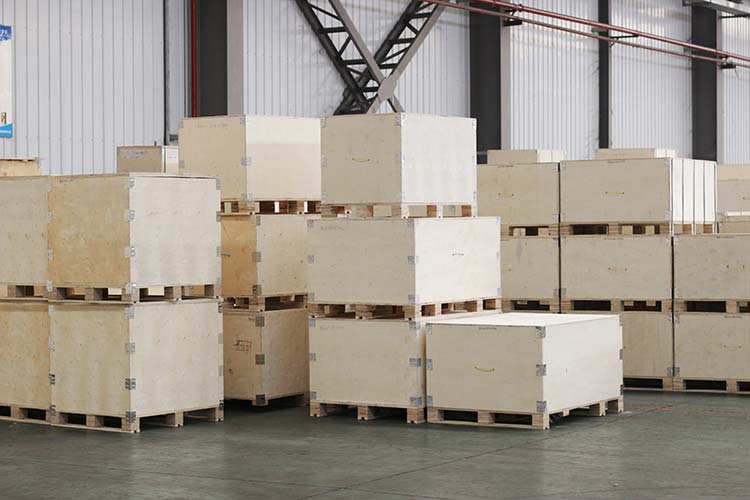
☑ Packaging
Protective film, wooden crates, and pallet packaging ensure safe and secure transportation, delivering products in perfect condition.
Aluminum Foil Applications
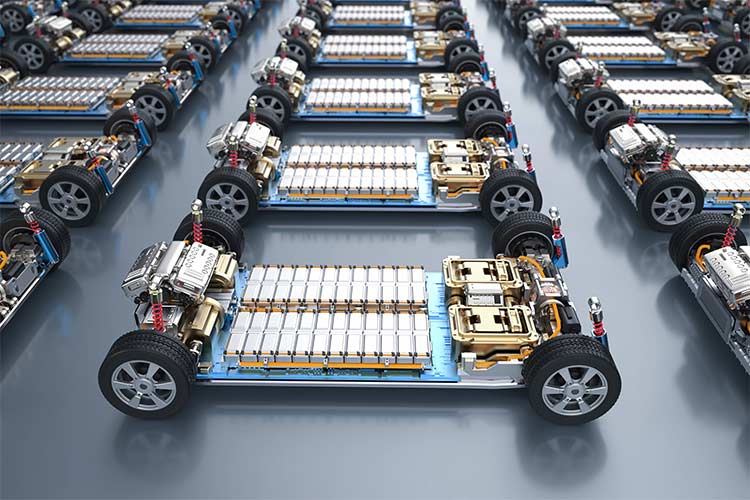
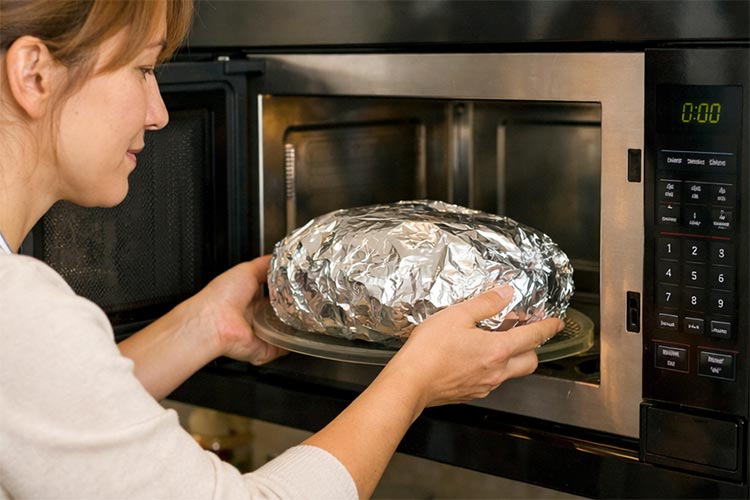
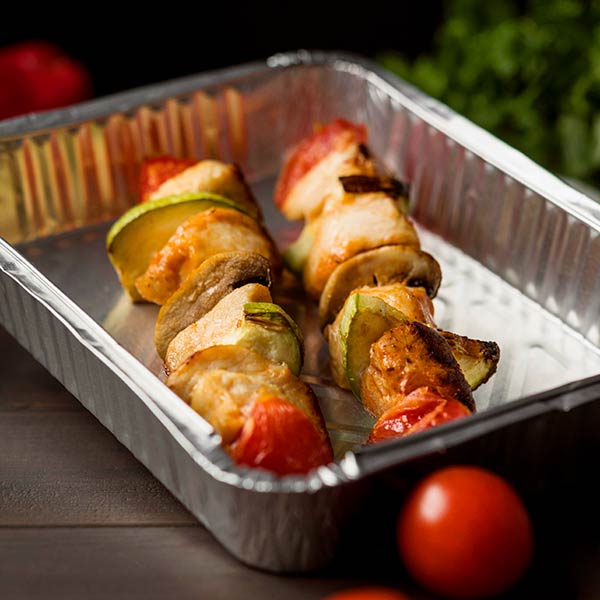
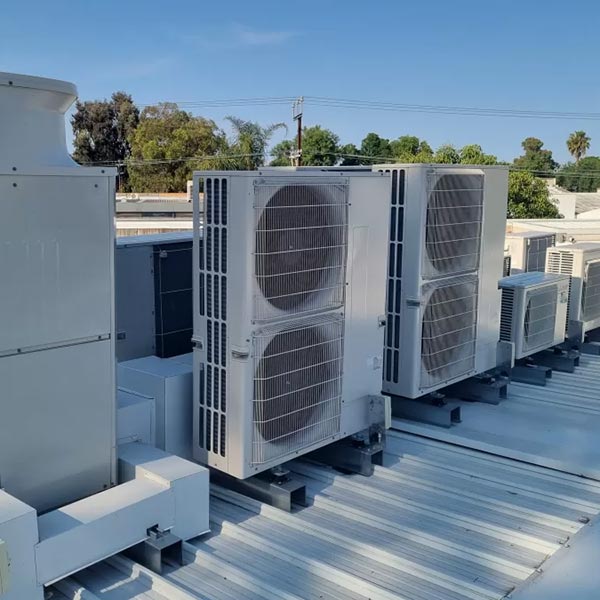
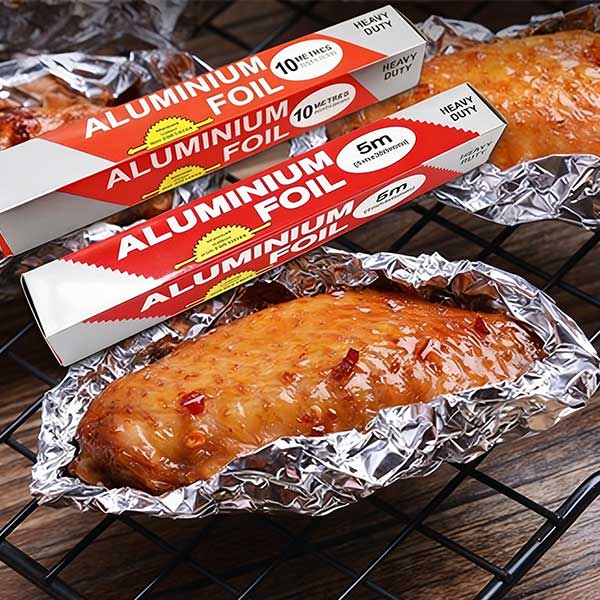
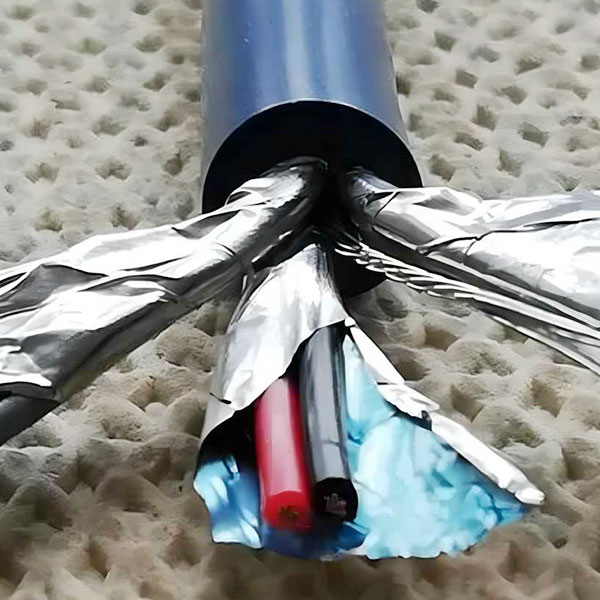
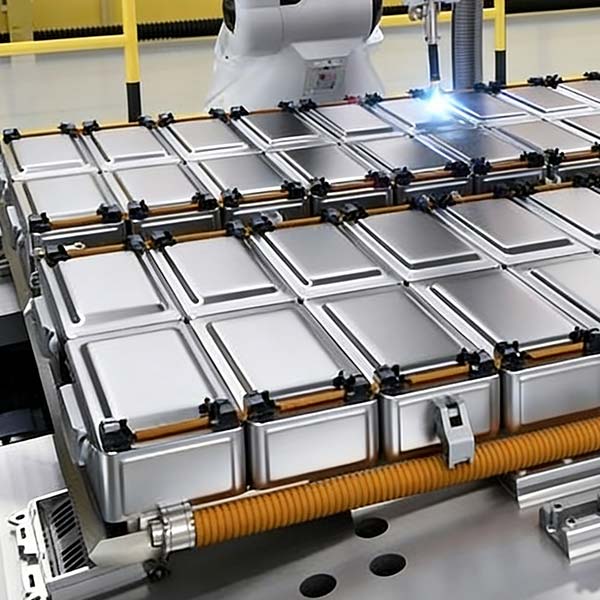
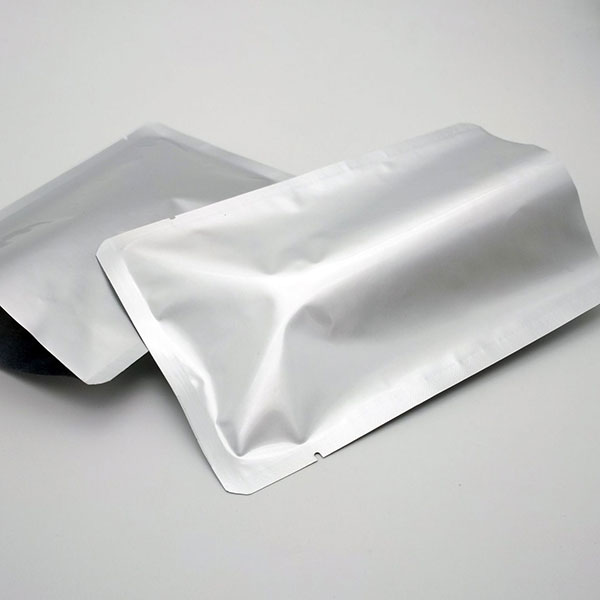
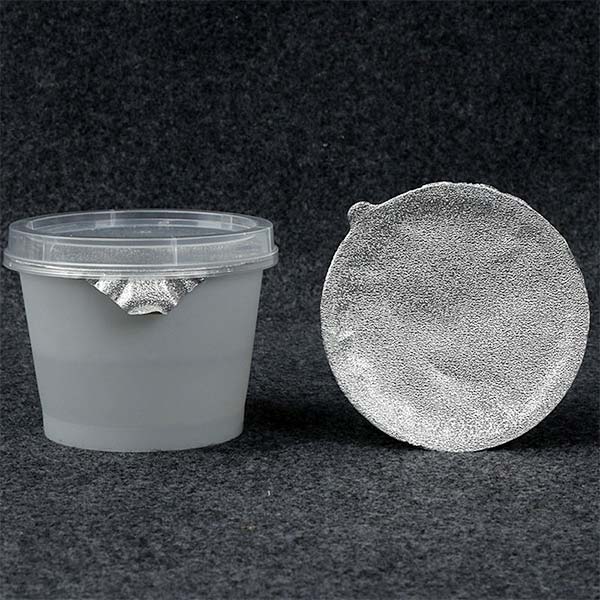
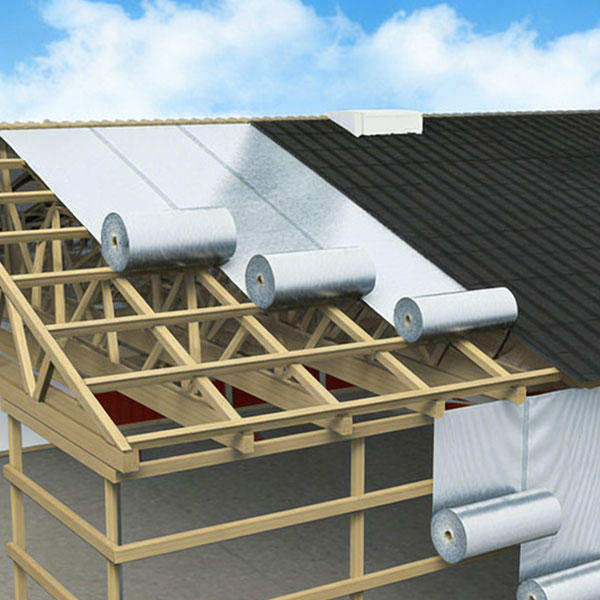
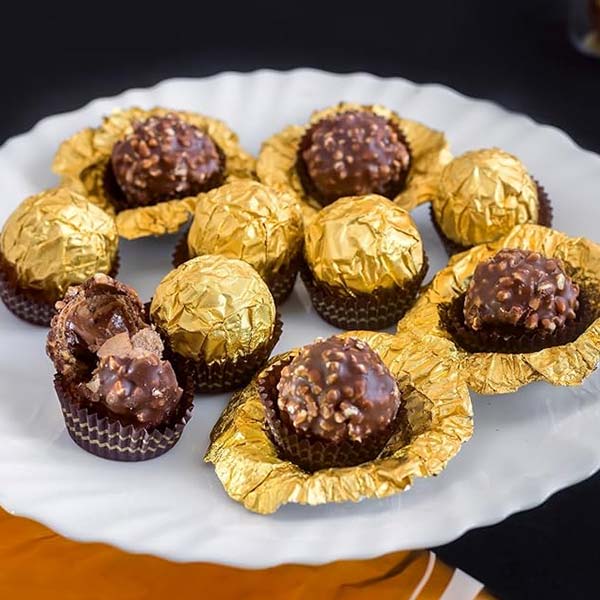
Aluminum foil plays a vital role across a wide range of industries, driving innovation and efficiency. By providing reliable, versatile, and customizable materials, we help businesses across industries achieve growth, meet regulatory standards, and deliver superior products to their customers.




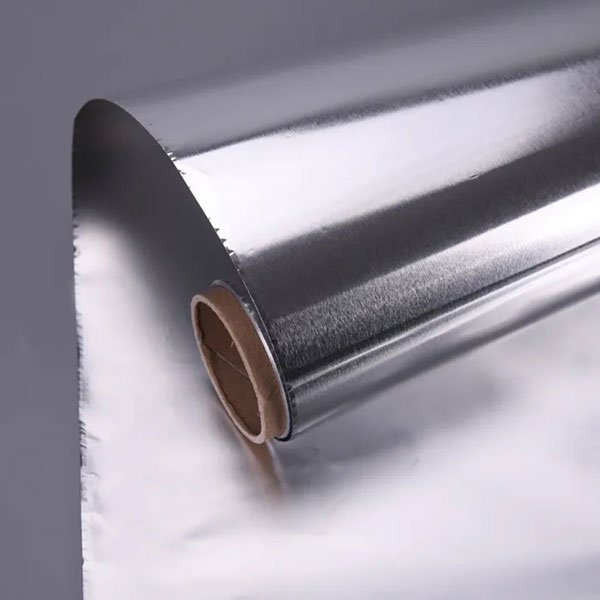
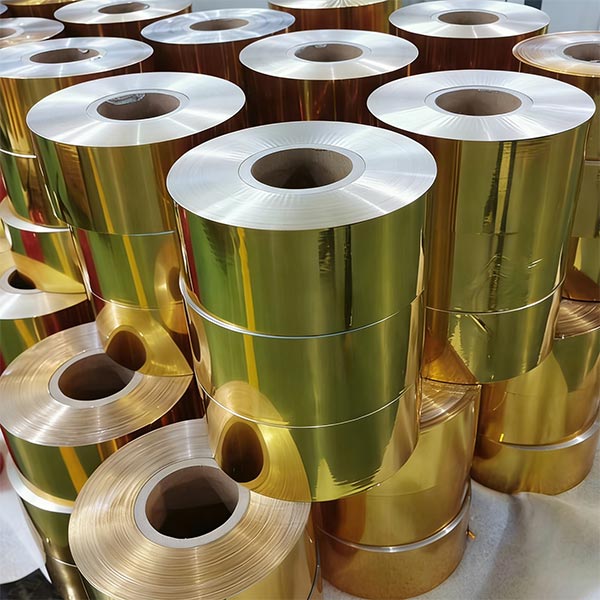
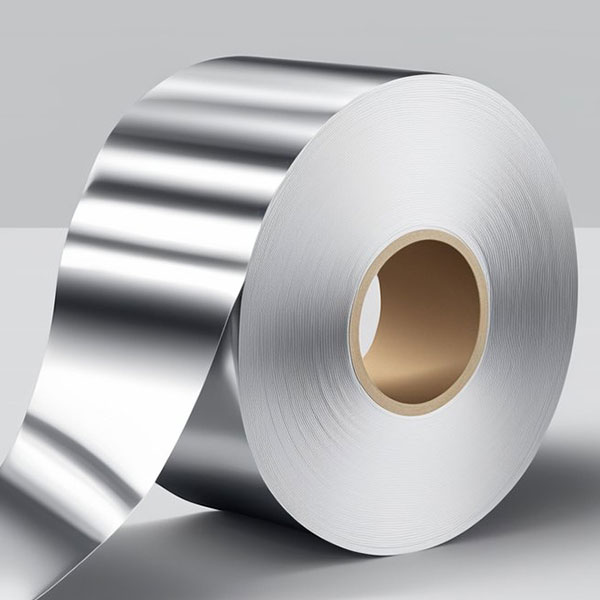
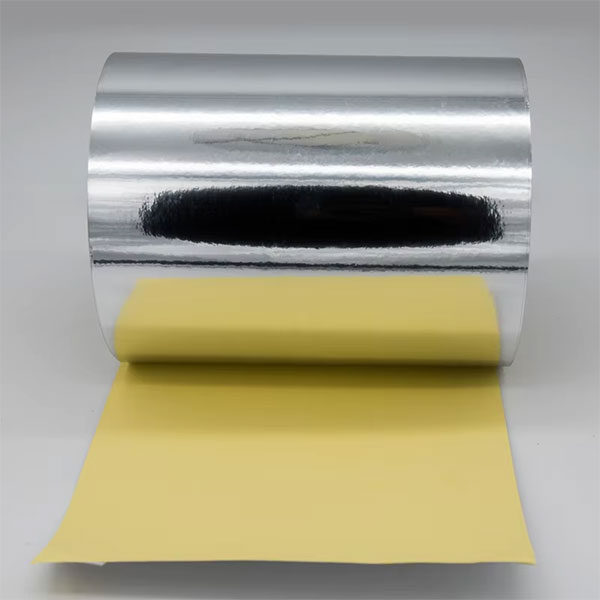
More Customized Aluminum Foil Materials




Aluminum Foil Grades
Choose the right aluminum foil material for your product
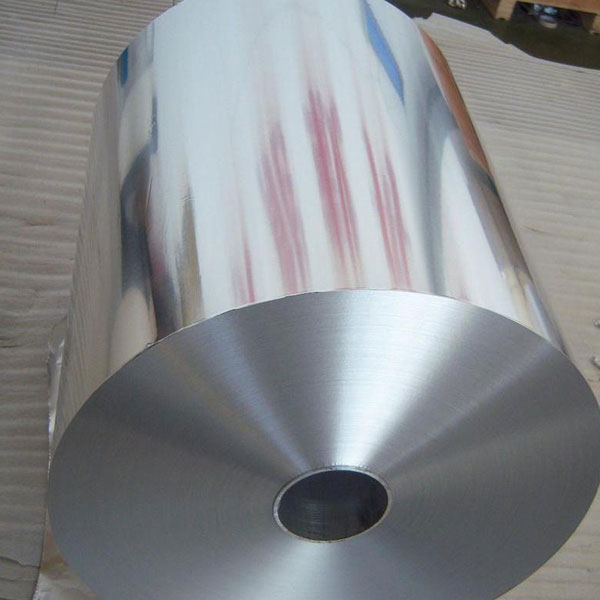
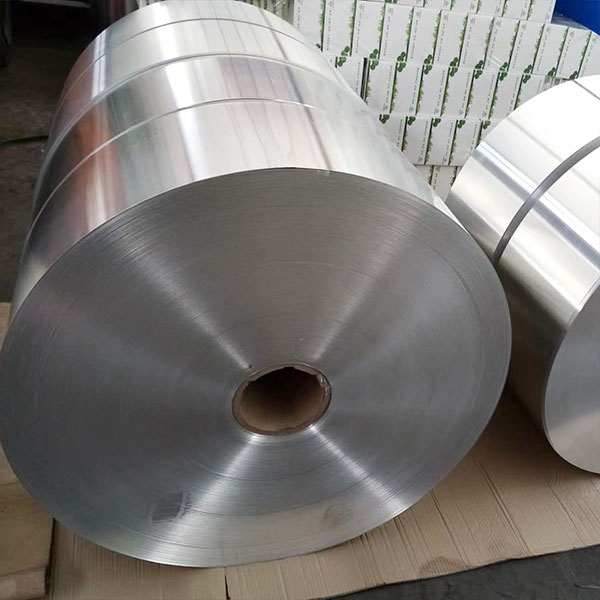
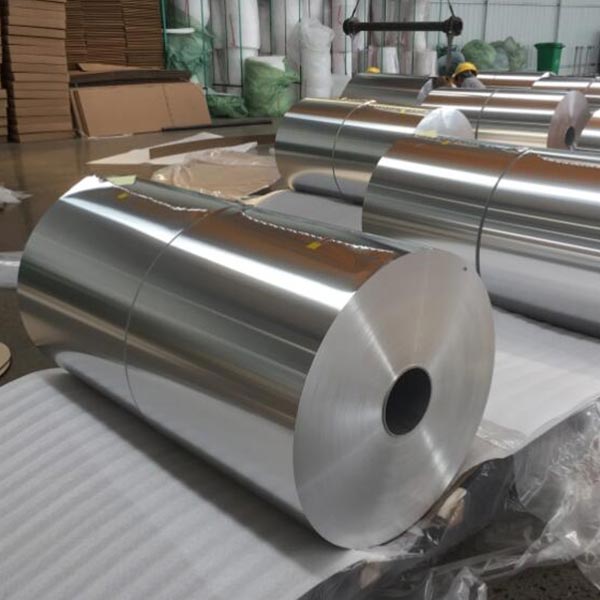
Including 1xxx, 3xxx, 5xxx, 7xxx, and 8xxx series – is designed to meet the diverse demands of both industrial and everyday applications. From high-purity 1xxx series for food and pharmaceutical packaging, corrosion-resistant 3xxx and 5xxx series for construction and packaging, to high-strength 7xxx series for aerospace and automotive uses, and versatile 8xxx series for specialty applications, each grade ensures optimal performance, reliability, and consistency for your specific needs.
1xxx Series (Pure Aluminum)
- High aluminum purity (≥99.0%).
- Excellent electrical and thermal conductivity.
- Outstanding corrosion resistance.
- Soft temper with excellent flexibility and ductility.
- Easy to form, fold, emboss, and laminate.
- Good barrier properties against moisture, light, and gases.
- Non-toxic, odorless, and food-safe.

3xxx Series (Al–Mn Alloy)
- Good corrosion resistance in atmospheric and marine environments.
- Moderate strength with excellent formability and ductility.
- Easy to roll, bend, and draw into complex shapes.
- Good weldability and solderability.
- Stable performance over long-term service.

5xxx Series (Al–Mg Alloy)
- Excellent corrosion resistance, especially in marine and humid environments.
- High strength while maintaining good ductility and formability.
- Good weldability and workability for various applications.
- Resistant to stress corrosion cracking.
- Long-term dimensional stability and reliable performance.
7xxx Series (Al–Zn–Mg Alloy)
- Very high strength with excellent mechanical properties.
- Good fatigue resistance for demanding applications.
- Moderate corrosion resistance (surface treatment often recommended).
- Good machinability and formability under controlled conditions.
- Ideal for applications requiring lightweight yet strong material.

8xxx Series (Al–Fe/Si Alloy)
- Excellent corrosion resistance in general environments.
- Good dimensional stability and rigidity.
- Moderate strength with good formability.
- Resistant to heat and light, ideal for packaging applications.
- Cost-effective solution for large-scale industrial use.

Industry Insights
Gain in-depth understanding of the aluminum foil industry, including global market trends, key production technologies, material properties, and emerging applications. Provide valuable insights for manufacturers, suppliers, and stakeholders to help them grasp market dynamics, optimize production processes, and innovate products.