
After undergoing surface treatment, aluminum sheet not only acquires an improved aesthetic finish but also gains enhanced corrosion resistance, wear resistance, oxidation resistance, and decorative qualities.

Polishing
Polishing uses mechanical grinding, chemical, or electrochemical methods to improve the smoothness and brightness of aluminum surfaces. Polished aluminum features a high-gloss finish and excellent decorative appearance, making it widely used for premium decorative parts, electronic housings, lighting fixtures, and automotive trims.

Brushing
Brushing is a surface treatment process that creates fine, directional textures on aluminum using abrasive belts or brushes. The brushed surface provides a refined metallic appearance while helping conceal minor scratches. It is commonly used for appliance panels, elevator doors, curtain walls, and electronic product housings.
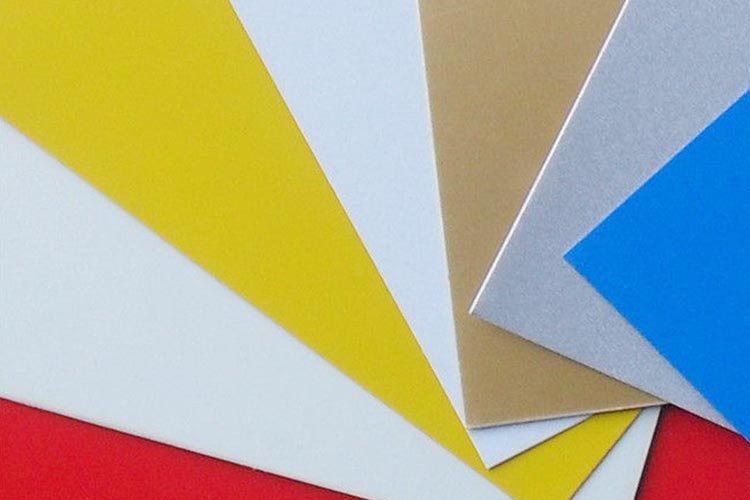
Coating
Spray coating applies a protective coating onto the aluminum surface through powder coating, liquid spraying, or other coating methods. It provides excellent weather resistance, corrosion protection, and a wide range of color options. Coated aluminum offers both decorative appeal and long-term durability, making it widely used in building facades, windows and doors, aluminum profiles, furniture, and industrial equipment.

Anodizing
Anodizing is an electrochemical process that forms a dense oxide layer on the aluminum surface, improving corrosion resistance, wear resistance, and surface hardness. The oxide layer can also be colored to achieve various finishes, making it widely used in architectural aluminum, industrial components, and electronic products.
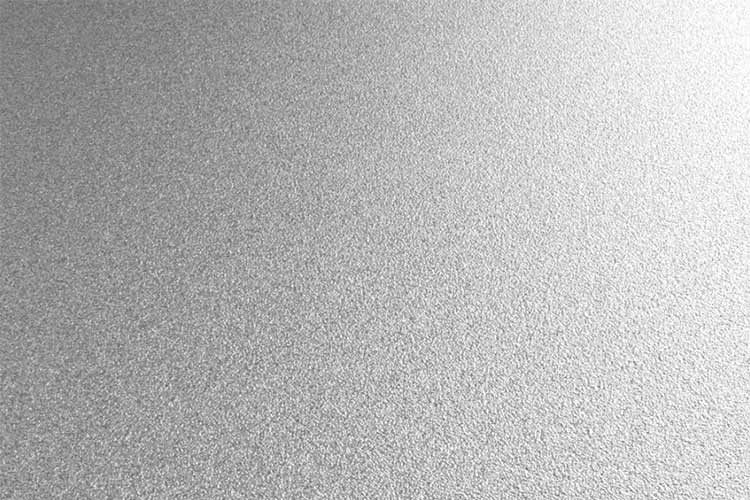
Sand Blasting
Sand blasting uses high-speed abrasive particles to impact the aluminum surface, creating a uniform matte texture. This process provides a soft metallic appearance, reduces fingerprint marks, and improves coating adhesion for subsequent finishing processes. It is commonly applied to decorative panels, equipment housings, and aluminum profiles.
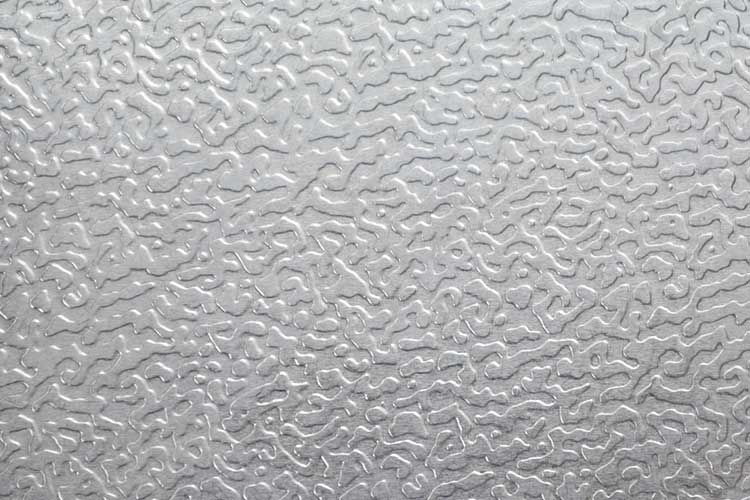
Embossing
Embossing is a process that forms raised or recessed patterns on aluminum surfaces through rolling or stamping. Common patterns include stucco, diamond, and wood grain textures. Embossed aluminum offers excellent decorative effects, scratch resistance, and certain anti-slip properties, making it suitable for architectural panels, refrigerated panels, vehicle interiors, and industrial applications.