
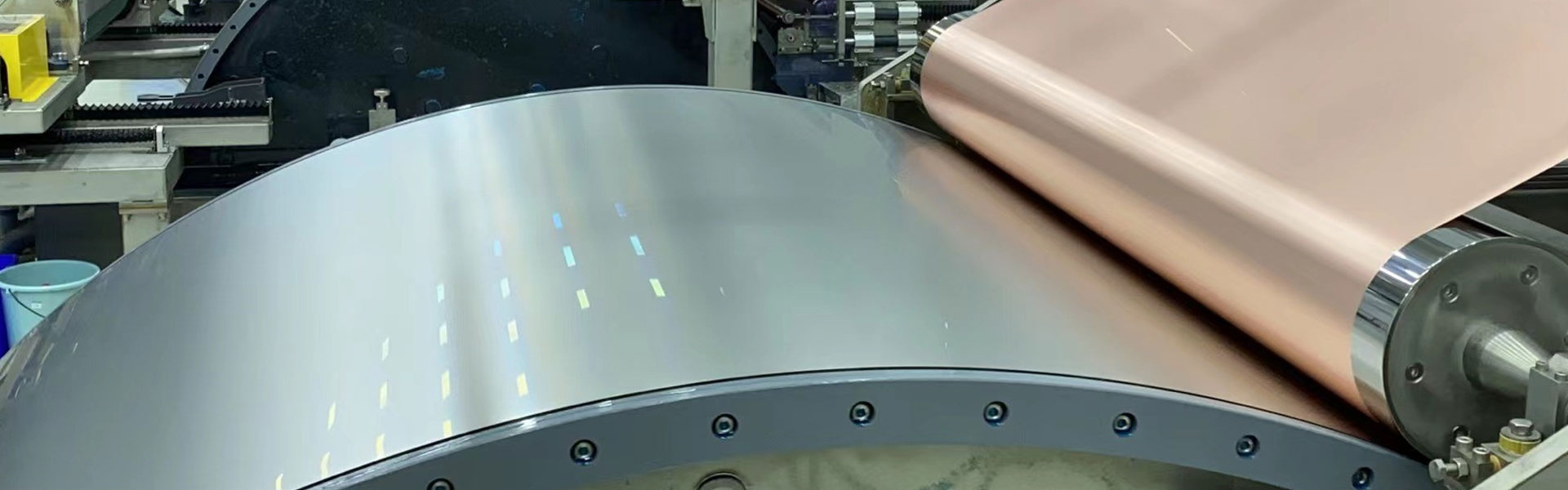
Through advanced post-processing technologies, the appearance, functionality, barrier properties, printability, and heat-sealing performance of aluminum foil are significantly enhanced. Consequently, it can be transformed into high-value-added materials widely utilized in food packaging, pharmaceutical packaging, household products, thermal insulation, the electronics industry, and the flexible packaging sector.
Common Processing Methods
The post-processing of aluminum foil constitutes far more than mere surface treatment; it serves as a crucial technical means for enhancing performance, expanding application horizons, and augmenting product value. Through processes such as lamination, printing, coloring, embossing, and coating, aluminum foil is elevated from a basic industrial commodity into a high-performance, multi-functional, and market-competitive material for end-use applications.

Lamination
Aluminum foil can be fabricated into composite films for diverse applications by bonding with plastic films, paper, or cellophane through adhesives or PE coating treatment. The combined structure integrates the barrier properties of aluminum foil and the flexible characteristics of other base materials, making the composite films adaptable for multiple industrial and packaging scenarios.
Coloring
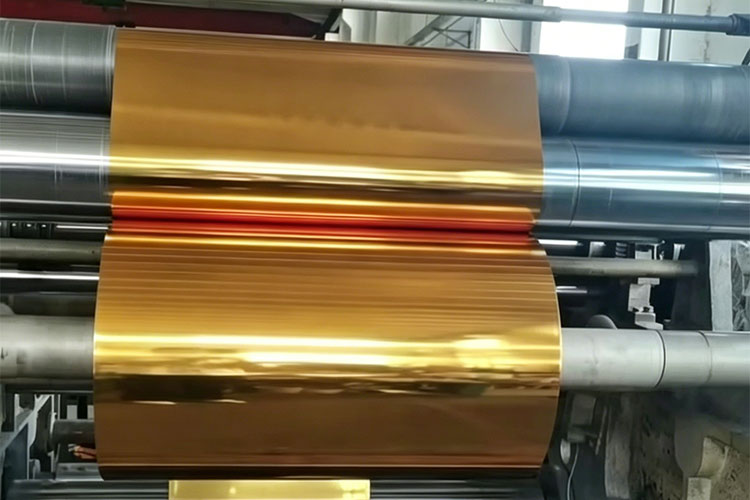
Aluminum foil is available for color coating via professional coloring machines to achieve a variety of color finishes. The inherent metallic luster of aluminum foil complements the colored coating, greatly enhancing its decorative appeal and visual layering, which enables its wide application in decorative and personalized packaging.
Printing
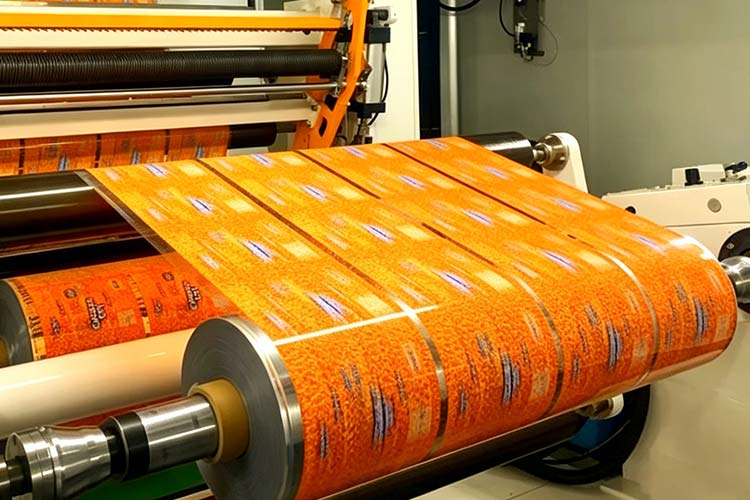
Aluminum foil can be printed with flexographic printing, pressure printing and screen printing, either directly or after surface coating treatment. As aluminum foil features poor ink absorption, the solvent in the coating and ink system must be fully and properly dried to ensure printing quality. In addition, considering the excellent flexibility of aluminum foil, flexible ink is required to avoid ink cracking or peeling off after printing. For ultra-thin aluminum foil materials, buffering treatment is necessary before printing to prevent foil breakage. Printed aluminum foil is widely applied in commercial product packaging. Its unique metallic luster and exquisite printed patterns can effectively elevate the product’s appearance and market attractiveness.
Embossing
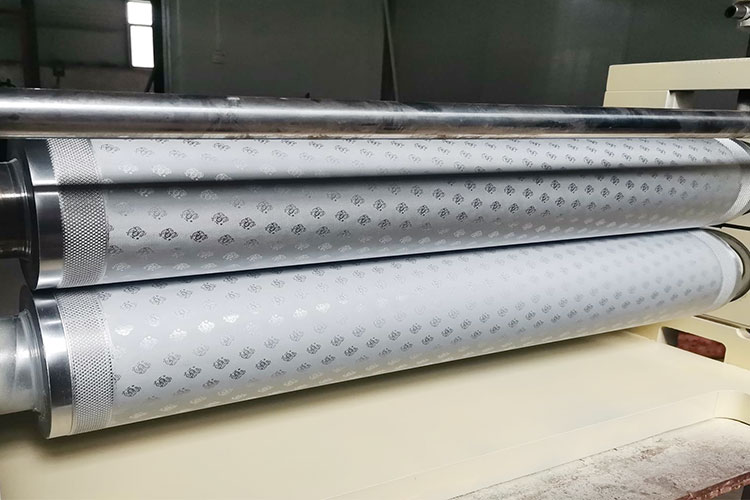
Embossing is a processing technique that utilizes engraved rollers to create raised and recessed textures on the surface of aluminum foil. This process not only enhances the decorative appeal of the foil but also improves certain functional properties. Embossing effectively eliminates minute wrinkles on the foil’s surface, improves its flatness, and further enhances the material’s overall tactile quality and practical utility. Additionally, the surface texture can increase the material’s rigidity, improve its slip resistance, and—in certain applications—enhance thermal conductivity efficiency. Depending on client requirements, the foil can be embossed with patterns such as diamond grids, square grids, leather-grain textures, or other customized decorative designs.