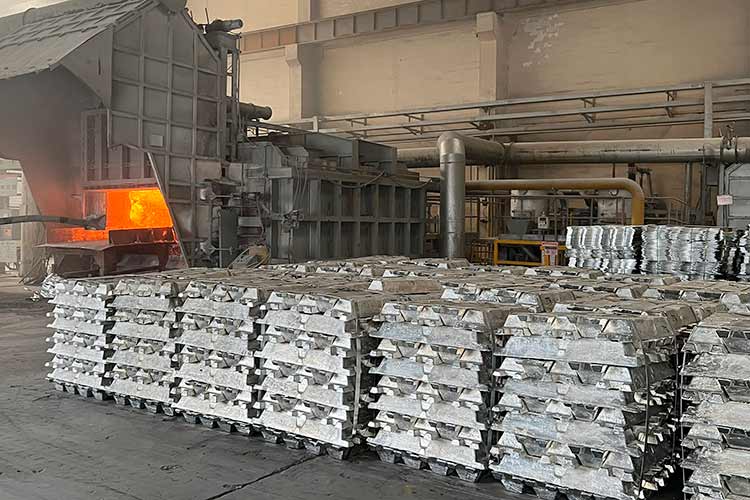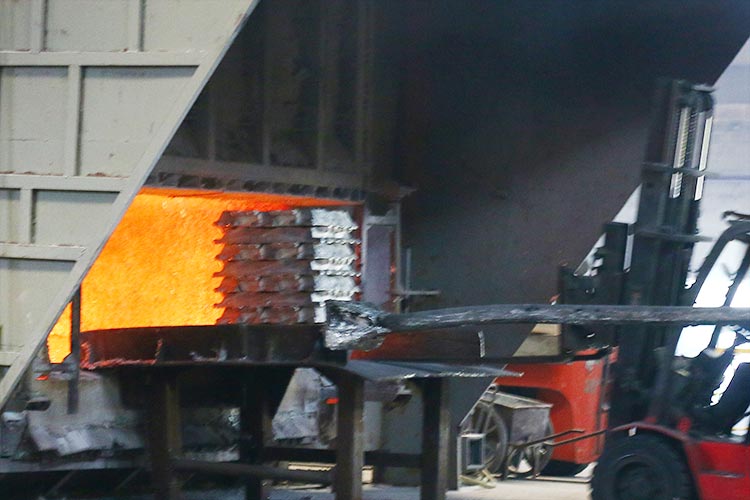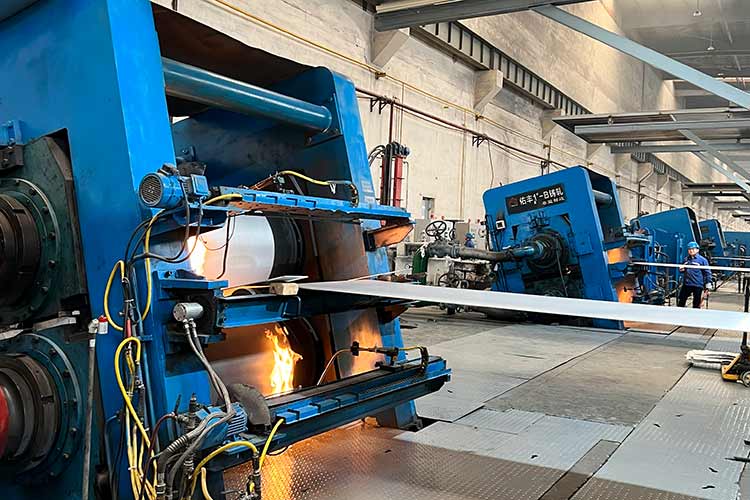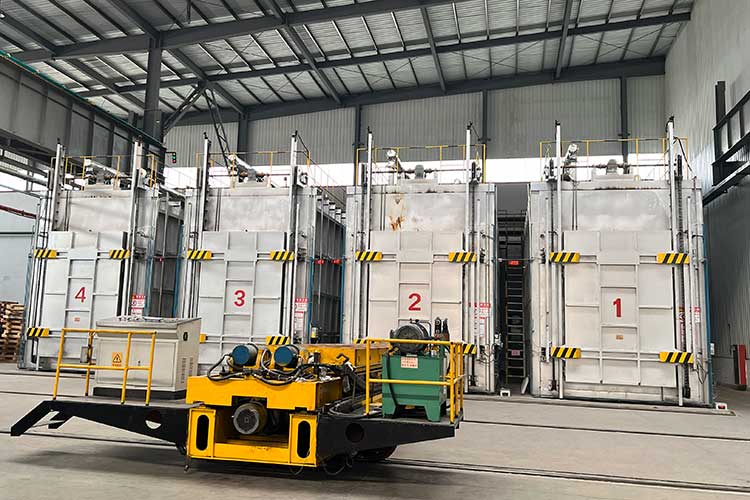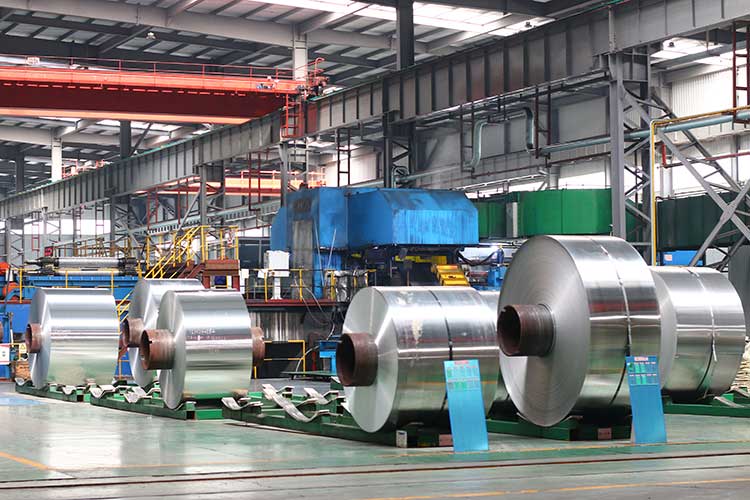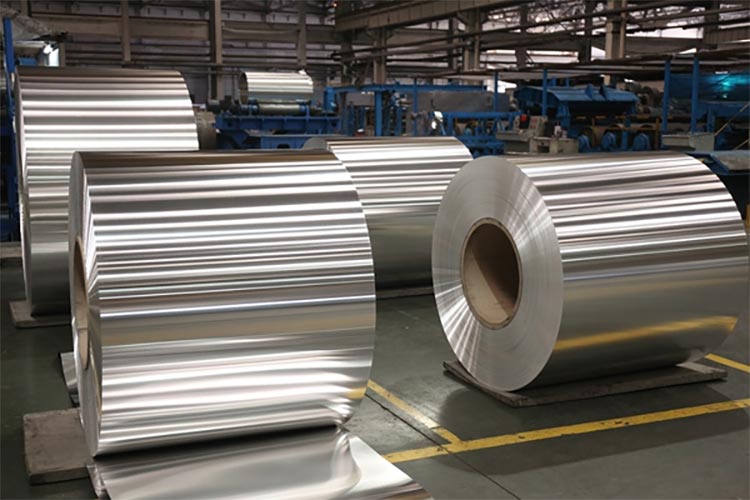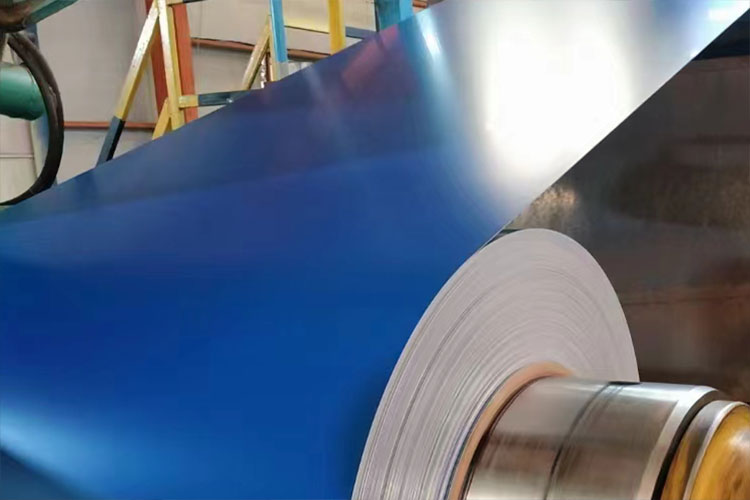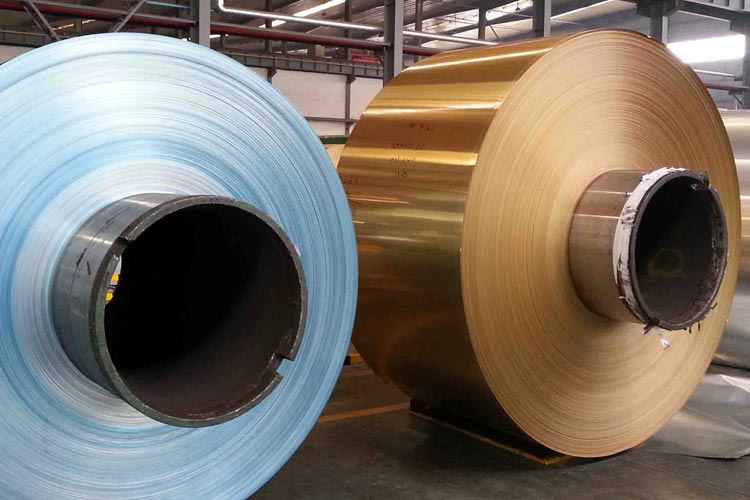



Aluminum sheets are a core basic material for the lightweight upgrading of automobiles. As pure aluminum or aluminum alloy thin plates (mostly with a thickness of 0.2-5mm), they boast advantages such as light weight yet high strength, excellent cold formability, corrosion resistance, good thermal conductivity and recyclability, making them the optimal alternative to traditional cold-rolled steel plates. Widely applied in all scenarios including the body, interior and functional components of new energy vehicles (NEVs) and traditional fuel vehicles, they not only reduce the vehicle curb weight and improve fuel economy/ NEV driving range, but also optimize the processing technology of parts and enhance the overall vehicle durability. Meanwhile, they align with the development trend of green low-carbon and lightweight in the automotive industry.
Description
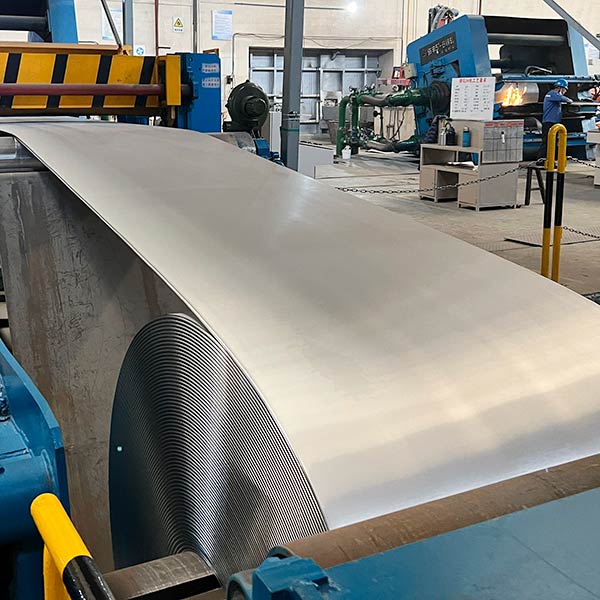


Specifications
| Item | Specification |
|---|---|
| Alloy / Grade | 5005 / 5052 / 5754 / 6061 / 6082 (customizable) |
| Temper | H14 / H18 / O / T6 |
| Thickness (mm) | 0.5 – 6.0 |
| Width (mm) | 1000 – 2000 (customizable) |
| Length | Coil or sheet, customized |
| Surface Finish | Mill finish / Pre-painted / Anodized (optional) |
| Standards | ASTM / EN / JIS / GB / Customized |
| Formability | High – suitable for stamping and bending |
Core Development Trends of Aluminum Sheet Applications in the Automotive Industry
- High-grade and high-strength: With the increasing demand for vehicle lightweighting, the proportion of medium-high strength aluminum sheets such as 6061 and 5083 is continuously rising, gradually replacing low-grade aluminum sheets to meet the high-strength requirements of body structural parts.
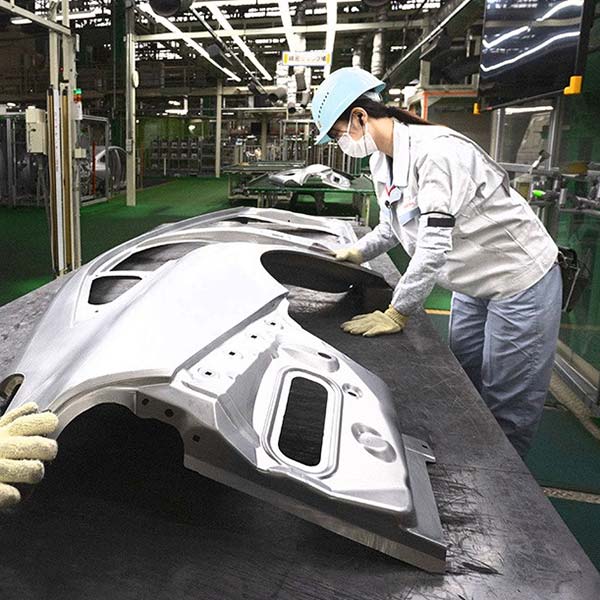
- Integrated stamping forming: The production process of aluminum sheets is upgraded to large-size and integrated stamping, which can directly stamp integral components such as car doors and engine hoods, reduce welding processes, improve processing efficiency and lower production costs.
- Compound and functional: Aluminum-plastic composite aluminum sheets, heat insulation coated aluminum sheets and anti-slip film-coated aluminum sheets have become mainstream, integrating multiple functions such as rust prevention, scratch resistance during stamping, heat insulation and anti-slip. No subsequent secondary processing is required, which improves the service performance of components.
- Green and recyclable: All automotive aluminum sheets adopt recyclable aluminum materials, aligning with the automotive industry’s requirement of green low-carbon throughout the whole life cycle.
Body Structure and Exterior Trim: Core Lightweight Applications
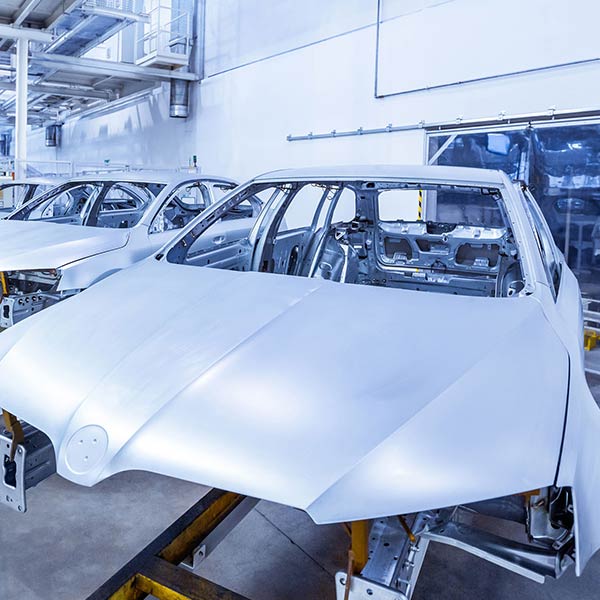
The vehicle body is the largest consumption scenario of aluminum sheets, which mainly solves the problems of body weight reduction and structural impact resistance improvement. Adapted for key components such as the body floor, car doors and engine hoods of NEVs, aluminum sheets are the core measure for vehicle lightweighting, achieving a weight reduction effect of 30%-40%.
- Body panels: Engine hoods, trunk lids, fenders, and inner/outer car door panels. Aluminum sheets of grades 5052 and 5083 are preferred for their medium strength and excellent cold formability, which can be stamped into complex curved surfaces in one step without multiple bending processes, improving processing efficiency. Replacing steel plates with aluminum sheets significantly reduces the vehicle curb weight, directly increasing the driving range of NEVs by 50-100km.
- Body floor and frame auxiliary materials: Battery pack lower guard plates, body chassis side sills and floor reinforcement plates. High-strength aluminum sheets of grades 6061 and 5083 with a thickness of 2-5mm are selected for their combined advantages of lightweight and impact resistance. They can effectively protect the chassis from scratches and collisions, prevent damage to the power battery pack from external forces, and improve driving safety.
- Exterior trim accessories: Roof trim panels, roof rack bases and wheel arch trim panels. Thin aluminum sheets of grades 1060 and 3003 with a thickness of 0.5-1.5mm are chosen for their easy bendability and corrosion resistance, ensuring no rust in outdoor use. Coordinated with spraying treatment, they can match the body color and enhance the aesthetic appearance.
Power Battery System: Exclusive Core Components for NEVs
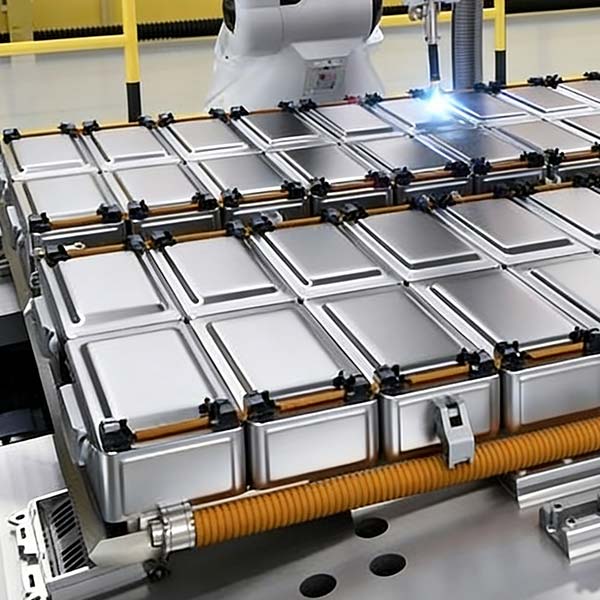
Aluminum sheets serve as the core structural and functional materials for the power battery systems of NEVs. Relying on the advantages of corrosion resistance, spark-free performance, good thermal conductivity and light weight, they are adapted for battery pack casings and internal heat insulation/conductive components, meeting the safety and lightweight requirements of power batteries.
- Battery pack casings and auxiliary materials: Battery pack upper covers, side panels and internal partitions. Rust-proof aluminum sheets of grades 3003 and 5052 with a thickness of 1-3mm are selected for their corrosion resistance and non-magnetism, which avoid sparks caused by short circuits inside the battery pack. Meanwhile, their light weight reduces the overall weight of the battery system and improves the vehicle driving range.
- Thermal conductive/insulation components: Internal heat dissipation partitions and cell thermal conductive gaskets of battery packs. Pure aluminum sheets of grade 1060 with a thickness of 0.2-1mm are adopted for their high thermal conductivity, which can quickly transfer the heat generated by cell operation. Coordinated with the heat dissipation system, they achieve battery temperature balance, prevent cell attenuation due to overheating, and extend the battery service life.
- Battery pack protection parts: Battery pack anti-collision beams and guard plates. High-strength aluminum sheets of grade 6061 are selected for their heat-treatable strengthening property and excellent impact resistance, which can effectively resist damage to the battery pack from external collisions and ensure the safe use of power batteries.
Interior Trim: Balancing Practicality and Environmental Protection
Automotive interior trim has high requirements for materials in terms of light weight, environmental protection, easy processability and low odor. Aluminum sheets replace traditional wood, plastic and iron sheet materials, becoming the first choice for high-end vehicle interiors, and are also adapted for functional interior accessories of ordinary models. Formaldehyde-free and highly recyclable, they comply with the environmental protection standards for automotive interiors.
- High-end decorative interior trim: Center console decorative panels, door armrest trim panels, seat decorative strips and instrument panel frames. Thin aluminum sheets of grades 1060 and 3003 with a thickness of 0.3-1mm are selected, whose surfaces can be treated with wire drawing, anodization, sandblasting and matte finishing for a premium texture. They enhance the grade of the overall vehicle interior and are suitable for luxury brand models.
- Functional interior accessories: Inner door guard plates, trunk partitions, seat bottom plates and ceiling reinforcement plates. Aluminum sheets of grades 3003 and 5052 with a thickness of 1-2mm are chosen for their light weight and sufficient strength, which reduce the overall weight of the interior. Meanwhile, they can be processed into various special-shaped structures to adapt to the interior layout of different vehicle models.
- In-vehicle protection parts: Anti-slip plates of foot pedals and casings of in-vehicle storage boxes. Film-coated anti-slip aluminum sheets are selected for their wear-resistant and easy-to-clean surfaces, as well as corrosion resistance, ensuring no rust or deformation during long-term use.
Heat Dissipation and Refrigeration Systems: Core of Vehicle Thermal Management
Relying on the advantage of ultra-high thermal conductivity (much higher than steel plates and plastics), aluminum sheets are the core functional materials for automotive heat dissipation and refrigeration systems. Adapted for all heat exchange components such as engines, air conditioners and charging piles, they improve the efficiency of vehicle thermal management and ensure the stable operation of various systems.
- Engine heat dissipation system: Radiator cores, heat dissipation pipes and water tank upper/lower covers. Pure aluminum sheets of grade 1060 with a thickness of 0.2-0.8mm are selected for their high thermal conductivity, which can quickly dissipate the heat of engine coolant, avoid engine overheating and improve engine working efficiency.
- Air conditioning refrigeration system: Air conditioning condenser and evaporator cores. Aluminum sheets of grades 1060 and 3003 are chosen for their good thermal conductivity and weldability, which realize rapid heat exchange, improve the cooling/heating efficiency of air conditioners and reduce air conditioning energy consumption.
- Vehicle auxiliary heat dissipation parts: Charging pile heat dissipation panels, motor heat dissipation covers and gearbox heat dissipation partitions. Aluminum sheets of grades 1060 and 3003 with a thickness of 0.5-2mm are adopted to quickly transfer the heat generated by component operation, avoid component failures due to overheating, and adapt to the heat dissipation requirements of motors and electronic control systems of NEVs.
Chassis and Brake Systems: Niche Rigid-Demand Applications
The chassis and brake systems have high requirements for materials in terms of strength, wear resistance and fatigue resistance. Although aluminum sheets are not the main materials, they are widely used in lightweight auxiliary parts, replacing traditional steel plates to reduce the chassis weight and improve the overall vehicle handling.
- Chassis accessories: Chassis guard plates, suspension system decorative plates and shock absorber base auxiliary plates. Aluminum sheets of grades 5052 and 6061 with a thickness of 2-4mm are selected for their combined advantages of lightweight and impact resistance, which prevent the chassis from being scratched by sand and gravel. Meanwhile, they reduce the chassis weight and improve the smoothness of vehicle driving.
- Brake system accessories: Brake disc guard plates, brake oil pipe fixing frames and vacuum pump panels. Rust-proof aluminum sheets of grades 3003 and 5052 are chosen for their corrosion resistance and spark-free performance, which avoid the impact of rust on brake system components on braking effect and improve driving safety.
Other Functional Accessories: Full-Scenario Penetration
Aluminum sheets are also widely used in various niche functional accessories of automobiles. Relying on the advantages of easy processability, corrosion resistance and light weight, they replace traditional materials, optimize component performance and enhance the overall vehicle use experience.
- Engine compartment accessories: Engine compartment guard plates, fuse box casings and wiring harness fixing frames. Aluminum sheets of grades 3003 and 5052 are selected for their corrosion resistance and high temperature resistance, ensuring no rust or deformation during long-term use in the engine compartment.
- Window and sealing parts: Window guide rail auxiliary plates, door sealing strip bases and sunroof frame auxiliary plates. Thin aluminum sheets of grades 1060 and 3003 are chosen for their easy bendability and sufficient strength, adapting to the sliding needs of windows and sunroofs, and featuring corrosion resistance with no rust in outdoor use.
- In-vehicle electrical accessories: In-vehicle display backplanes, in-vehicle charger casings and audio panels. Thin aluminum sheets of grade 1060 with a thickness of 0.3-0.8mm are selected for their good thermal conductivity and formability, which can quickly dissipate the heat generated by in-vehicle electrical operation and avoid electrical failures due to overheating.