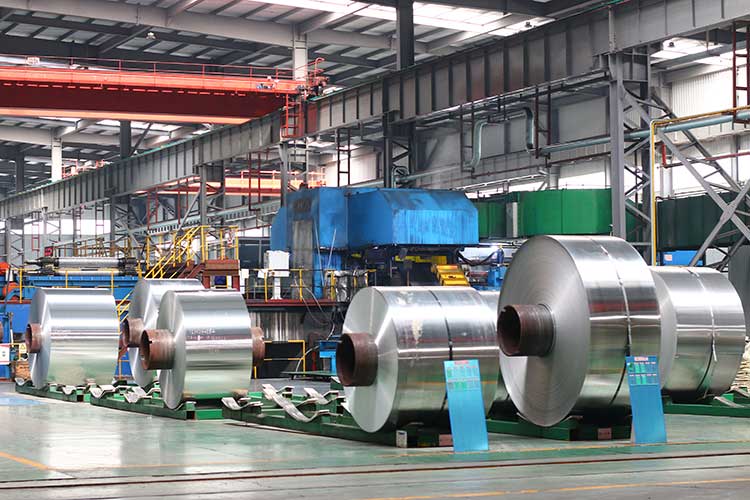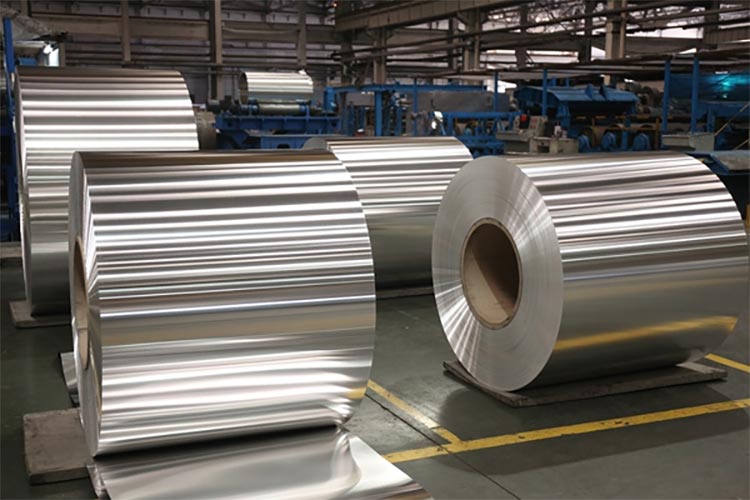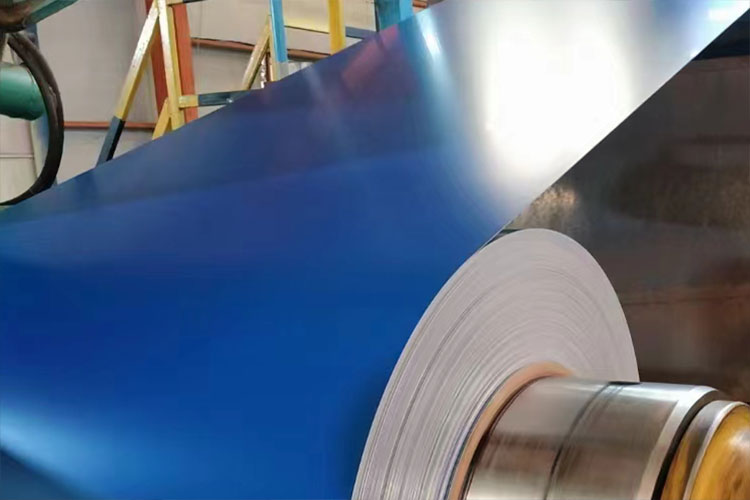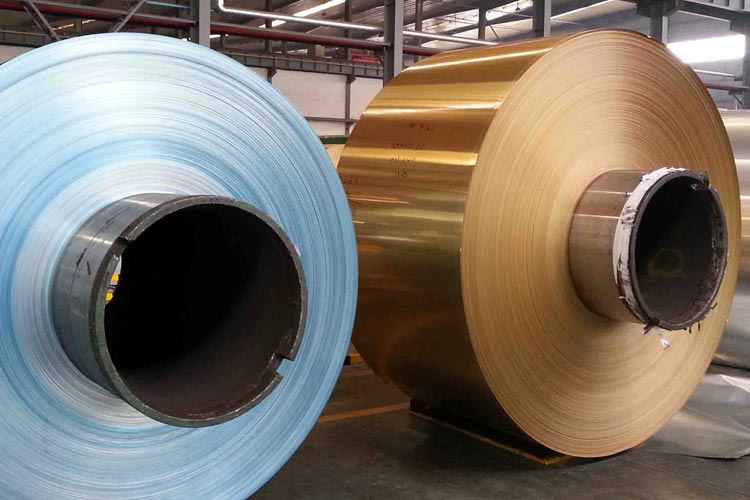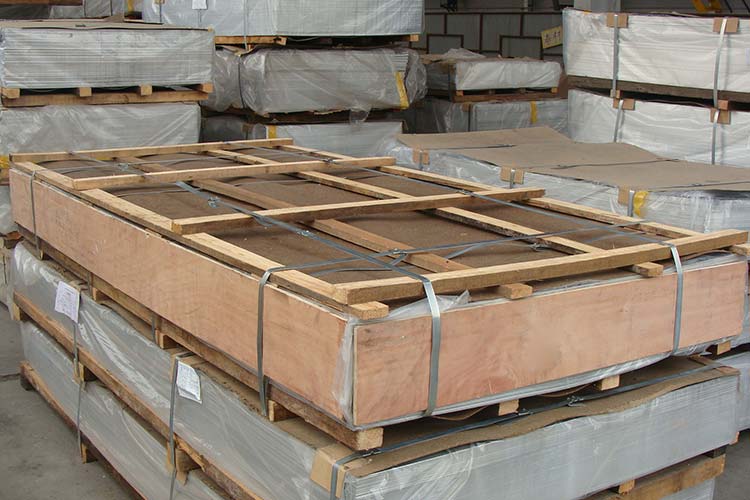


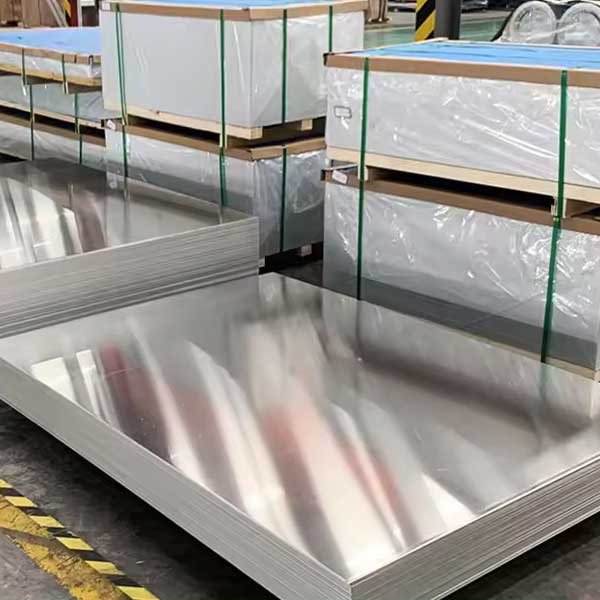
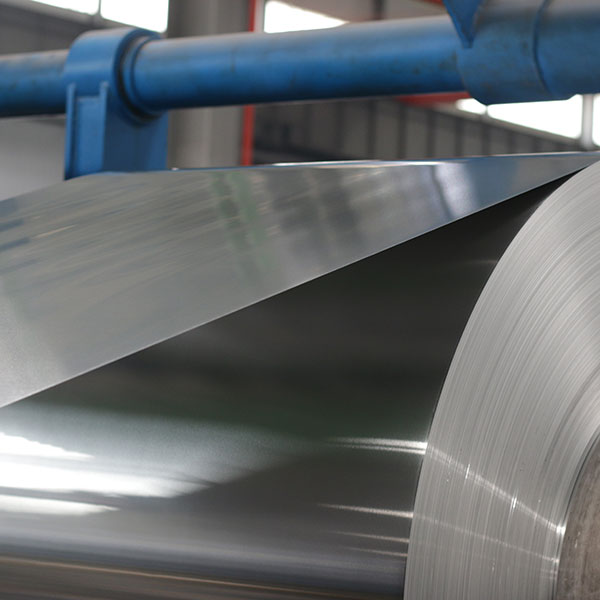
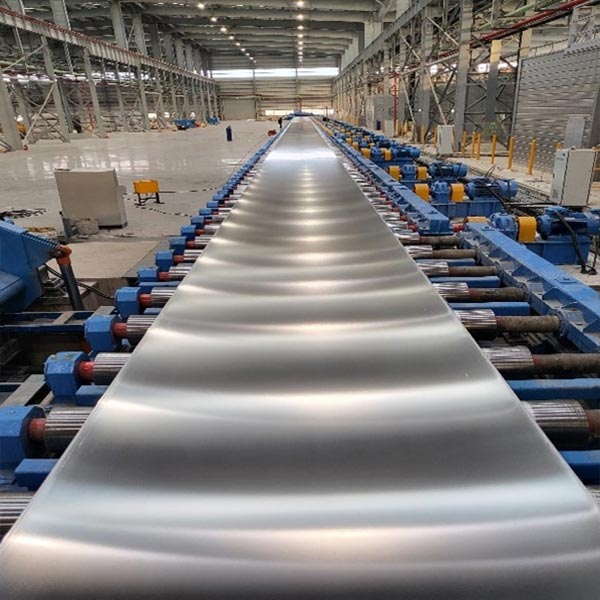
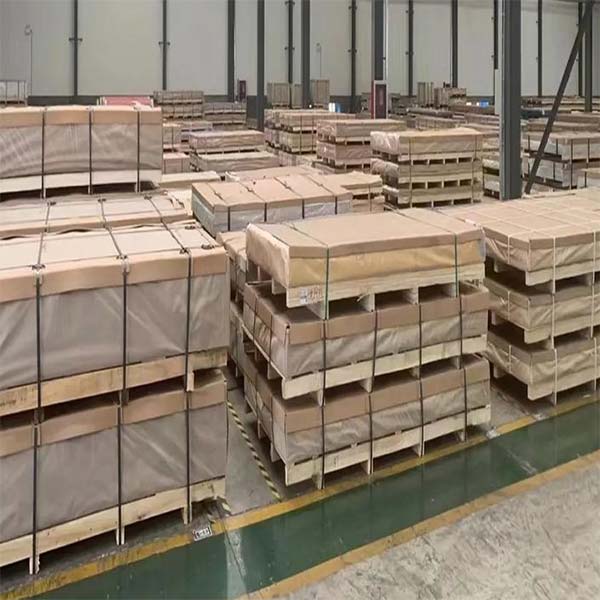
3003 aluminum sheet belongs to the 3000 series aluminum-manganese alloys, with manganese as the primary alloying element. Compared with 1000 series pure aluminum, 3003 offers higher strength while maintaining good formability and corrosion resistance, making it one of the most widely used aluminum alloys for general-purpose applications.
Description
Features
- Moderate Strength with Good Workability
Stronger than pure aluminum, suitable for structural and formed parts.
- Excellent Corrosion Resistance
Performs well in atmospheric and mildly corrosive environments.
- Good Formability
Suitable for bending, stamping, deep drawing, and rolling processes.
- Good Thermal Conductivity
Ideal for heat transfer and thermal management applications.
- Excellent Weldability
Compatible with common welding and joining methods.
- Good Surface Finishing Performance
Suitable for coating, painting, anodizing, and embossing.
Specifications
| Parameter | Description |
|---|---|
| Alloy | 3003 |
| Chemical Composition (%) | Al ≥ 96.8, Mn 1.0 – 1.5, Cu ≤ 0.20, Si ≤ 0.60, Fe ≤ 0.70, Zn ≤ 0.10, Others ≤ 0.05 |
| Temper | O, H12, H14, H16, H18, H22, H24 |
| Thickness Range | 0.2 – 6.0 mm (customizable) |
| Width (mm) | 20 – 2000 |
| Length (mm) | 2000 – 6000 |
| Surface Finish | Mill Finish, Bright, Brushed, Coated, Film Laminated (optional) |
| Standard | ASTM B209 / EN AW-3003 / GB/T 3880 |
Typical Applications
- Heat exchangers and radiators.
- Cooking utensils and kitchen equipment.
- Chemical equipment and storage tanks.
- Roofing sheets and wall cladding.
- Fuel tanks and pressure vessels.
- General fabrication and industrial panels.