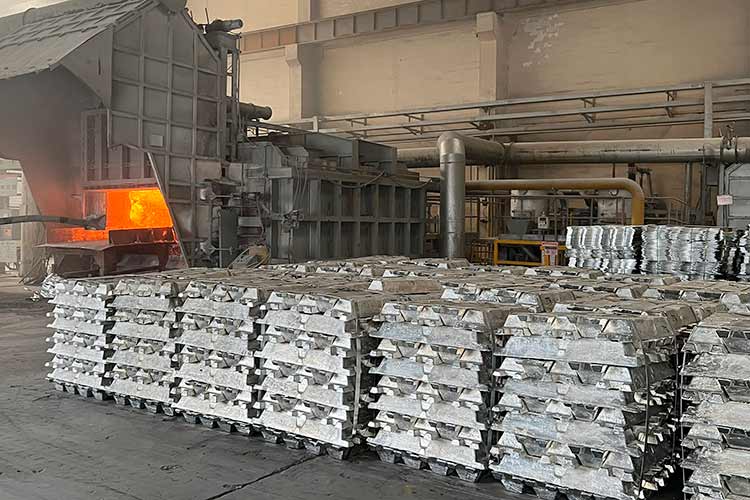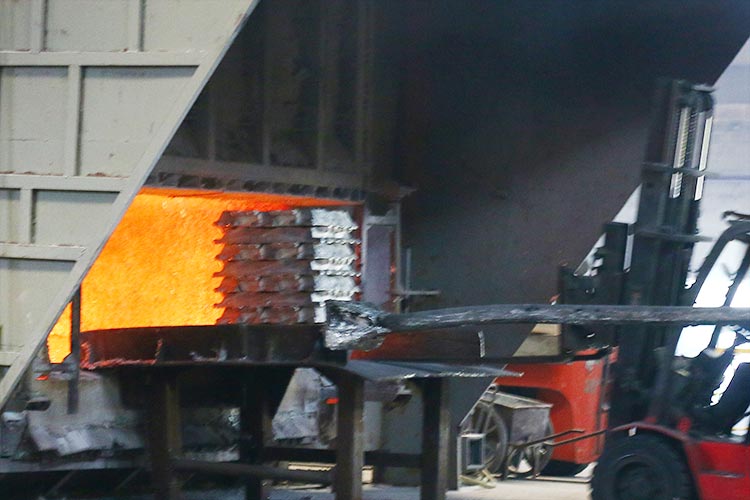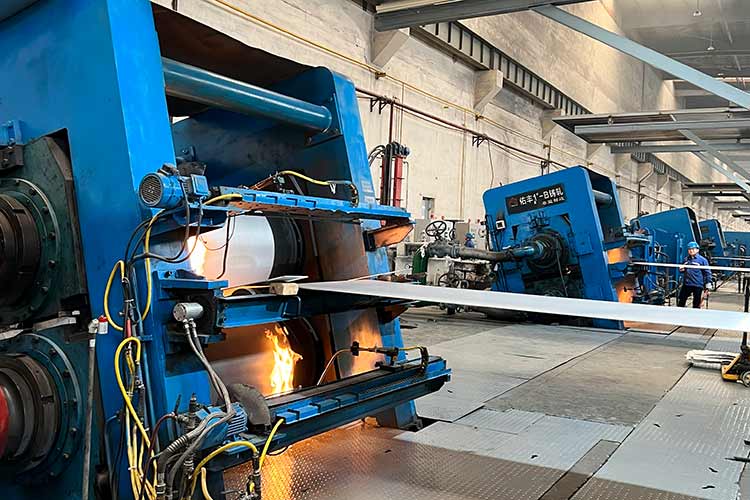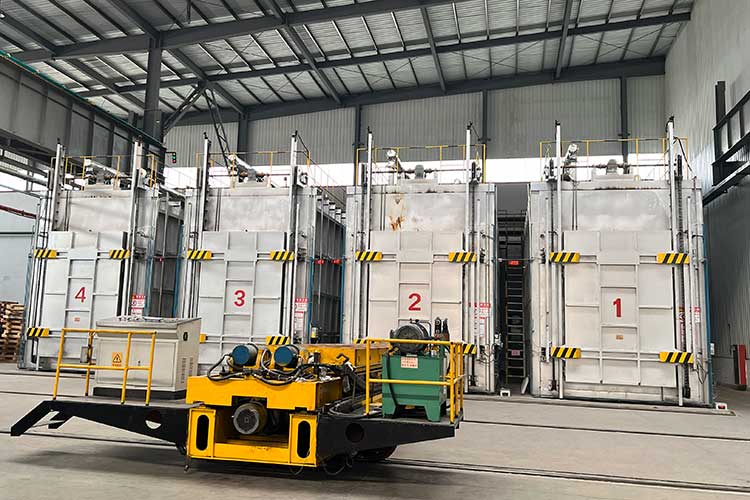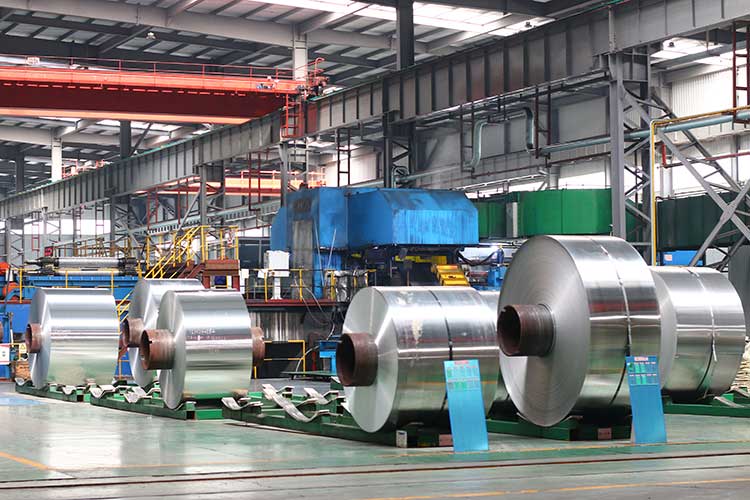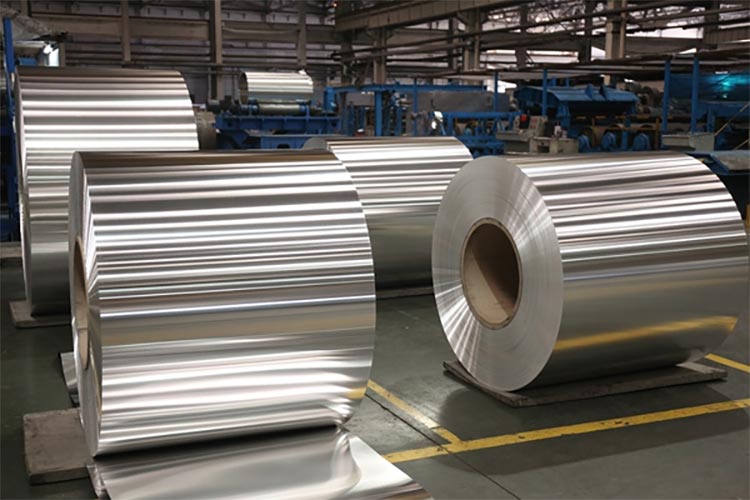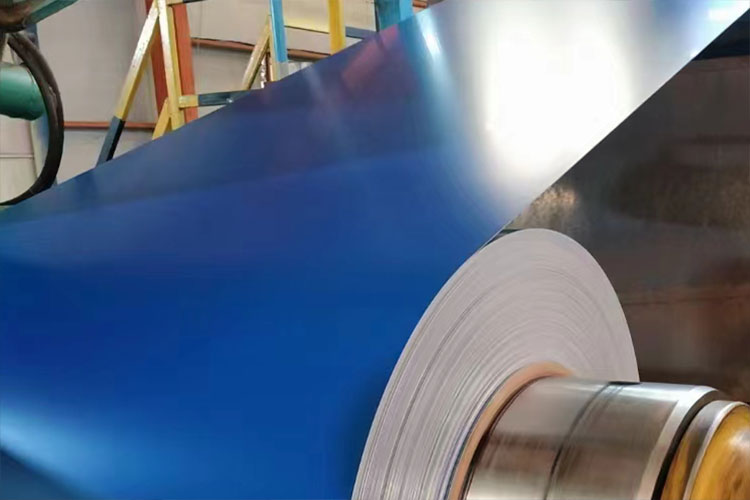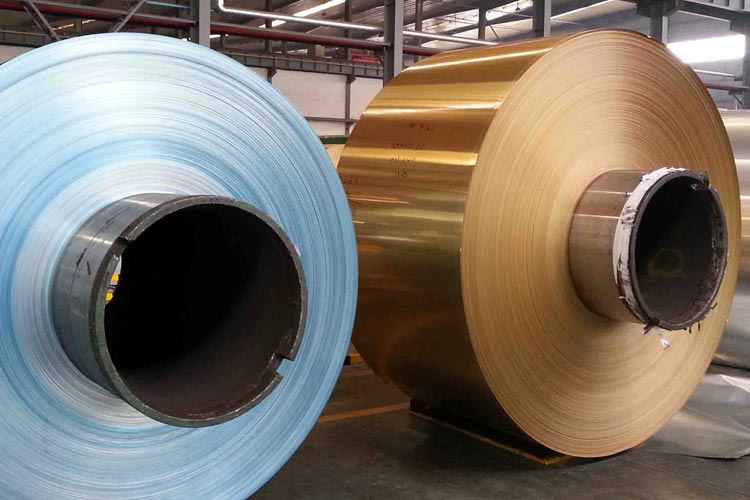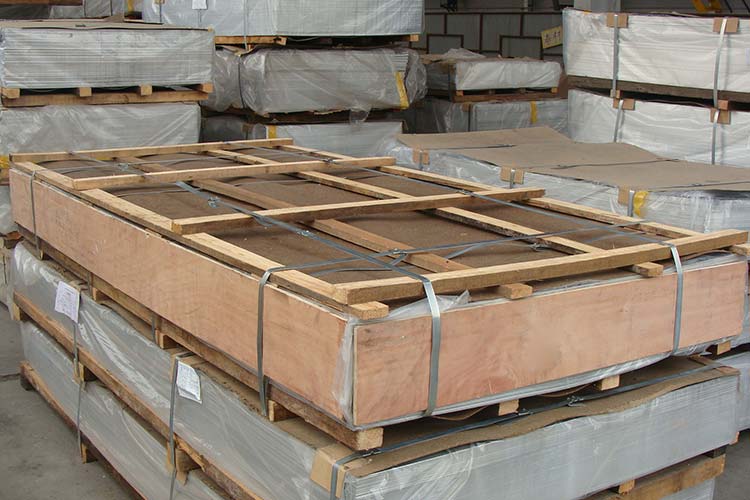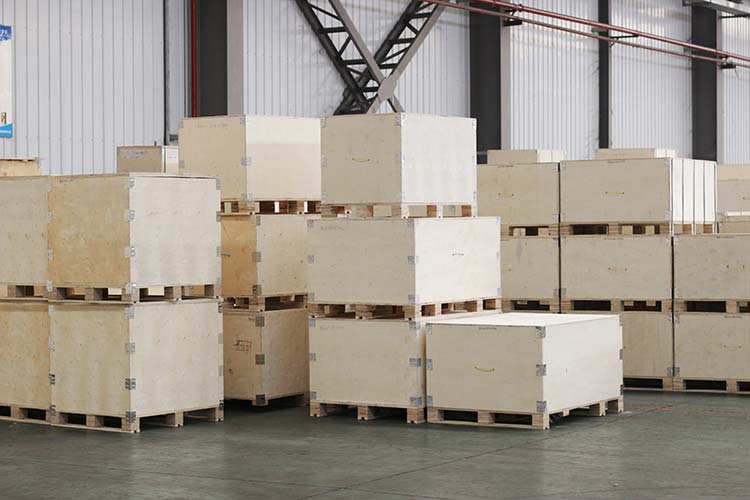


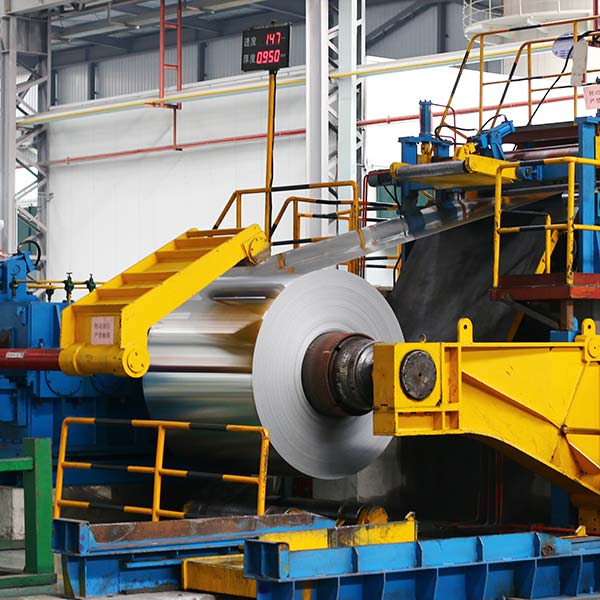
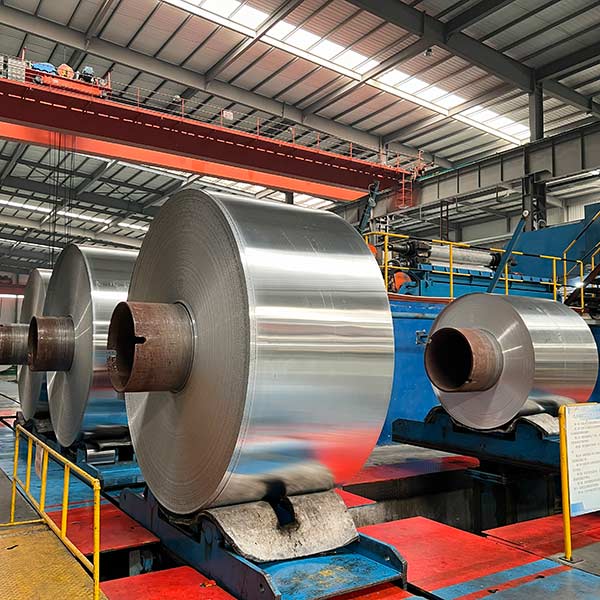

6062 aluminum coil is a heat-treatable aluminum alloy belonging to the Al-Mg-Si (6xxx) series. It is known for its good strength, excellent corrosion resistance, and superior machinability compared with standard 6061 alloy. Due to its higher silicon content, 6062 aluminum sheet offers improved chip-breaking performance, making it especially suitable for precision machining and structural applications.
Description
Features
- Magnesium–silicon aluminum alloy
Belongs to the 6000-series aluminum alloys, with Mg and Si as the main alloying elements, offering a balance between strength and corrosion resistance.
- Medium to high mechanical strength
Higher strength than 6063, suitable for structural, architectural, and load-bearing applications.
- Excellent corrosion resistance
Performs well in atmospheric and mild industrial environments, suitable for outdoor and architectural applications.
- Good thermal conductivity
Supports effective heat dissipation for structural and mechanical components.
- Good formability and workability
Can be rolled, bent, stamped, and formed into complex shapes, suitable for thin-gauge and profile processing.
- Good weldability
Compatible with TIG and MIG welding, ensuring reliable joints after fabrication.
- Smooth surface finish
Suitable for anodizing, painting, coating, and film lamination, providing both functional and decorative surfaces.
- Heat-treatable
Can be strengthened through solution heat treatment and artificial aging (T4/T6), allowing customization of mechanical properties.
Specifications
| Item | Specification |
|---|---|
| Alloy / Grade | 6062 |
| Chemical Composition (%) | Mg 0.8–1.2, Si 0.7–1.3, Cu ≤ 0.10, Cr ≤ 0.25, Fe ≤ 0.70, Mn ≤ 0.15, Zn ≤ 0.25, Ti ≤ 0.15, Al Balance |
| Series | 6000 Series (Al-Mg-Si) |
| Temper | O, T4, T6 |
| Thickness (mm) | 0.5 – 150 |
| Width (mm) | 100 – 2600 |
| Length (mm) | 1000 – 12000 (Customizable) |
| Surface Finish | Mill Finish, Anodized, Polished (Optional) |
| Standard | ASTM B209, EN 573, GB/T 3880 |
Applications
Architectural and Construction
- Window frames, door frames, curtain walls, and decorative trims.
- Roofing, cladding panels, and structural profiles where lightweight and corrosion resistance are essential.
Transportation
- Automotive components such as body panels, roof racks, and structural reinforcements.
- Railway and shipbuilding components requiring a balance of strength and corrosion resistance.
Electrical and Electronics
- Bus bars, electrical enclosures, and heat sinks due to good electrical conductivity and thermal performance.
Machinery and Equipment
- Components in light machinery, conveyor systems, and frames where precision and machinability are required.
Aerospace and Marine
- Non-critical aircraft components and marine applications exposed to moderate environmental conditions.
Consumer Goods
- Ladders, sports equipment, and furniture that benefit from lightweight and anodizable surfaces.