
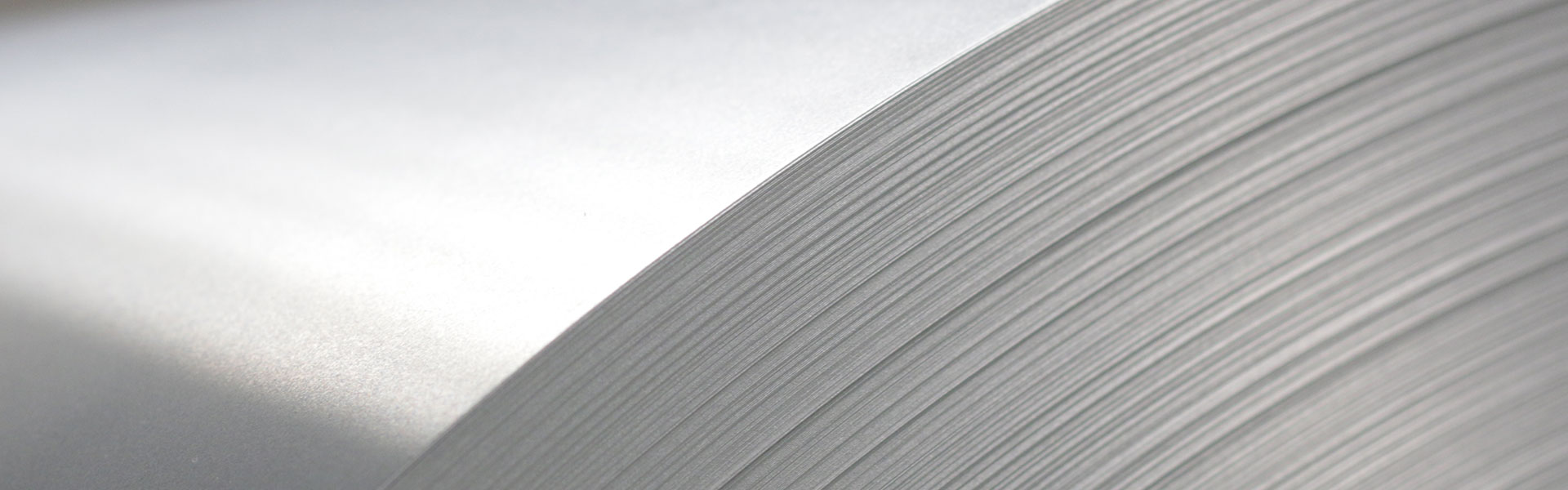
The production of aluminum foil is not a single process, but a systematic and precise manufacturing process encompassing smelting, casting, rolling, slitting, heat treatment, and packaging. Each step directly determines the final product’s thickness accuracy, surface quality, mechanical properties, and stability in use.
Aluminum Foil Processing Flow
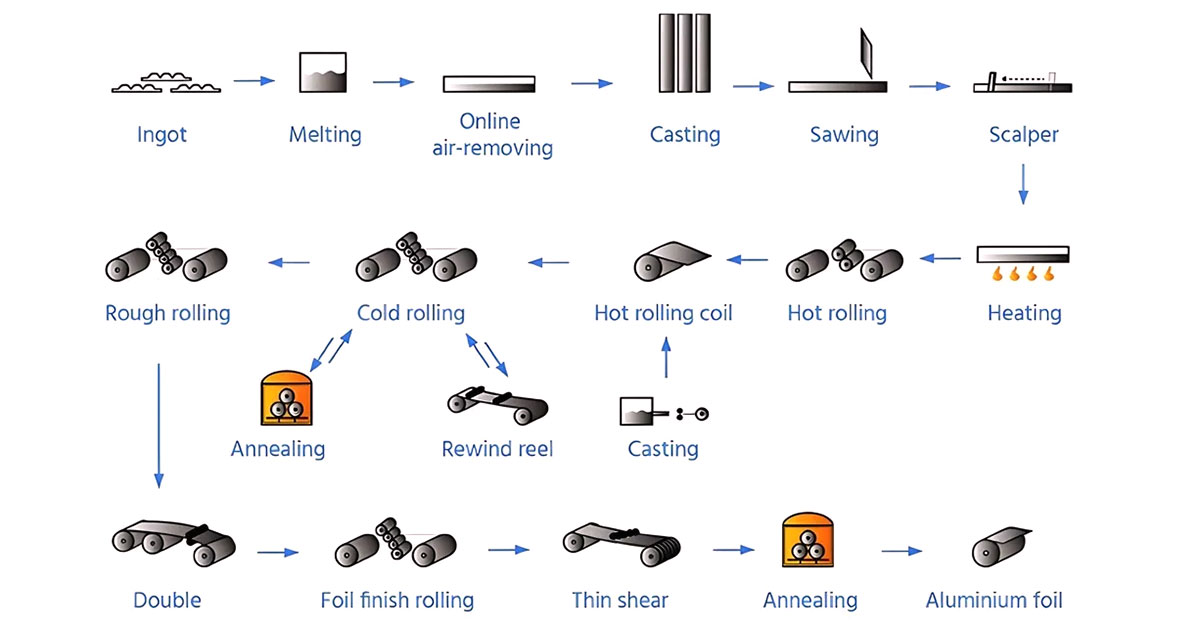
Main Processing Steps
01
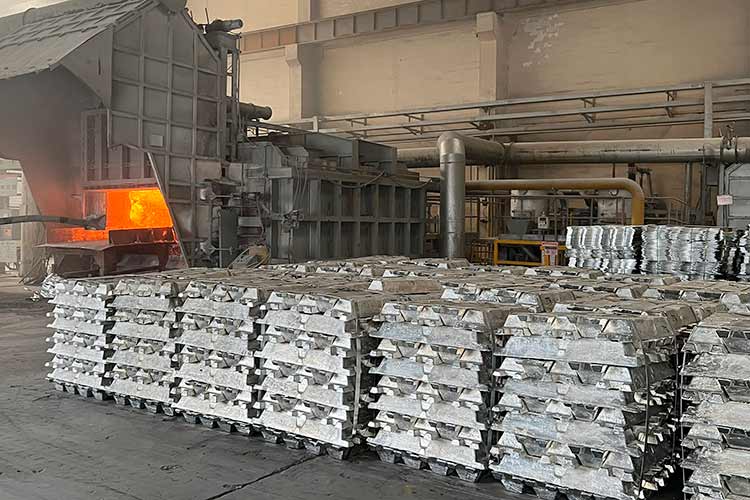
Aluminum Ingot Smelting
High-quality aluminum ingots are selected as raw materials and melted at high temperatures in a specialized smelting furnace, transforming solid aluminum into molten aluminum with uniform composition and controllable impurities. During the smelting process, refining, degassing, and impurity removal are performed to ensure the purity of the molten aluminum meets standards, laying a solid foundation for subsequent forming and final product quality. After passing inspection, the molten aluminum can proceed to the casting process.
02
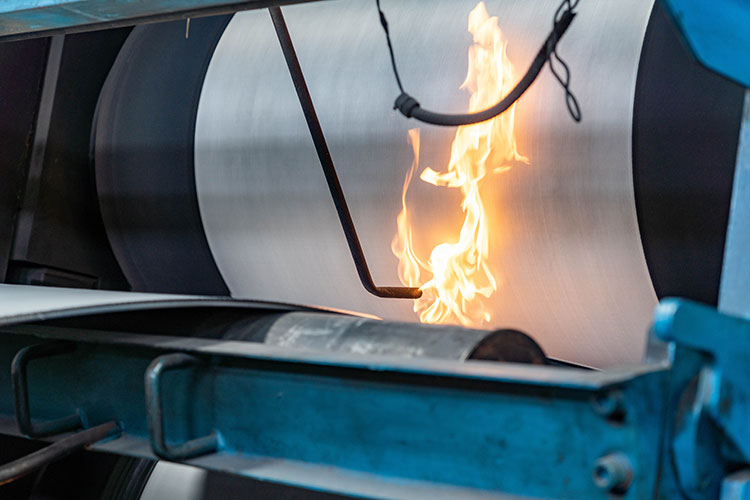
Hot Rolling
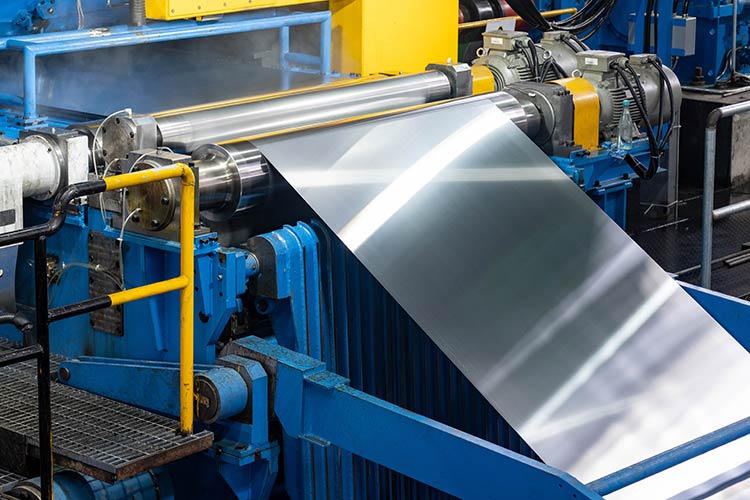
The pure molten aluminum is cast into aluminum sheets of a certain thickness and width. Subsequently, the aluminum billets are continuously heated and rolled in a hot rolling mill at high temperatures, gradually reducing the sheet thickness, improving the internal structure of the aluminum, increasing material density and processing performance, forming hot-rolled aluminum coils suitable for subsequent deep processing.
03
Cold Rolling
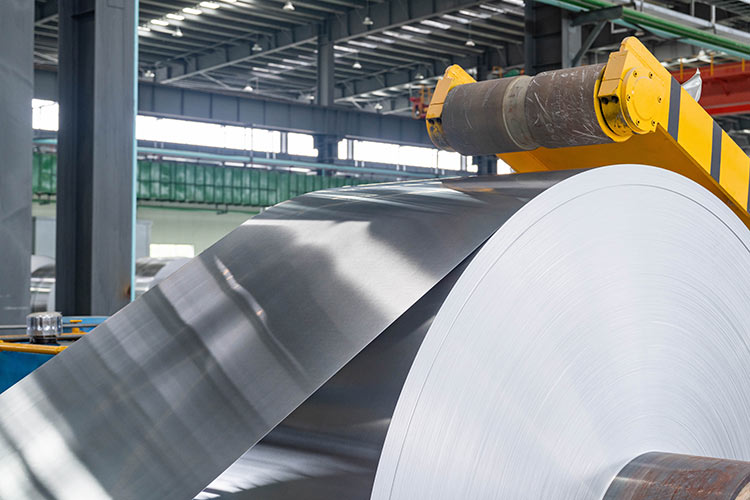
The hot-rolled aluminum sheets undergo further precision rolling at room temperature. Cold rolling does not alter the material temperature, allowing for precise control of sheet dimensions. This significantly improves the surface finish and thickness uniformity of the aluminum sheet, achieving the intermediate specifications required for foil production and providing a stable and reliable raw material for final ultra-thin rolling.
04
Foil Rolling
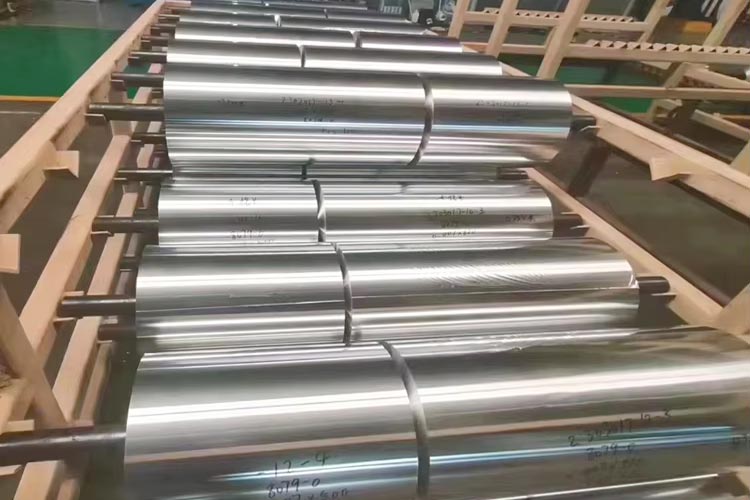
This is the core process in aluminum foil forming. Cold-rolled aluminum sheets are rolled multiple times using a high-precision foil rolling mill, with each roll being a small amount, continuously reducing the material thickness until the target aluminum foil thickness is achieved. This step demands extremely high equipment precision and process control, directly determining the ultra-thinness and uniformity of the aluminum foil.
05
Slitting
Based on the needs of different industries and customers, large-width, large-diameter finished aluminum foil rolls are cut into smaller rolls of specified widths or standard-sized sheets using specialized slitting equipment to meet the requirements of various applications such as packaging, building materials, electronics, and industry.
06
Annealing
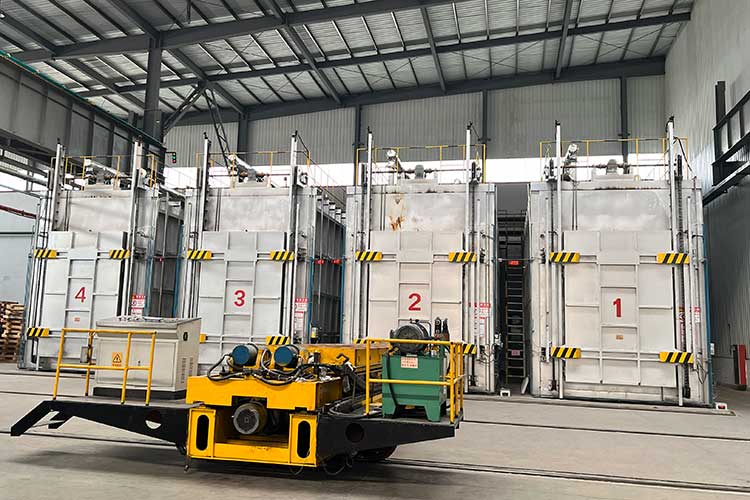
Based on the flexibility requirements of subsequent applications, the slit aluminum foil rolls undergo controlled heat treatment (annealing). Precise temperature control and insulation eliminate internal stress generated during material rolling, improving the ductility and flexibility of the aluminum material and preventing cracking or breakage of the aluminum foil during handling, die-cutting, and bending.
07
Finished Product Packaging
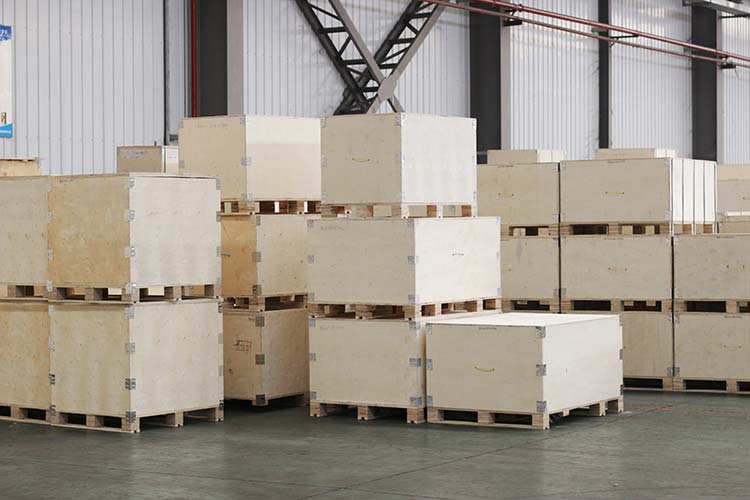
Qualified finished aluminum foil products are packaged in standardized, protective packaging. Standardized packaging methods, including wooden pallet support, waterproof paper wrapping, and reinforcement with special strapping, provide moisture-proof, dust-proof, and impact-proof protection, ensuring the product remains intact during warehousing, long-distance transportation, and loading/unloading, ultimately reaching the customer.