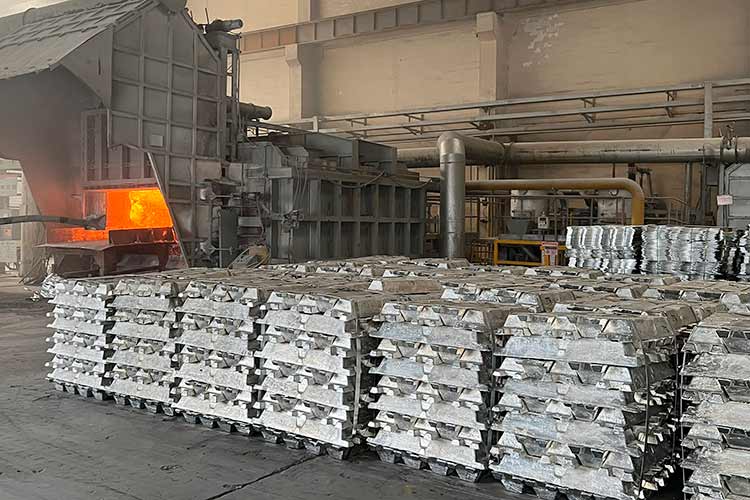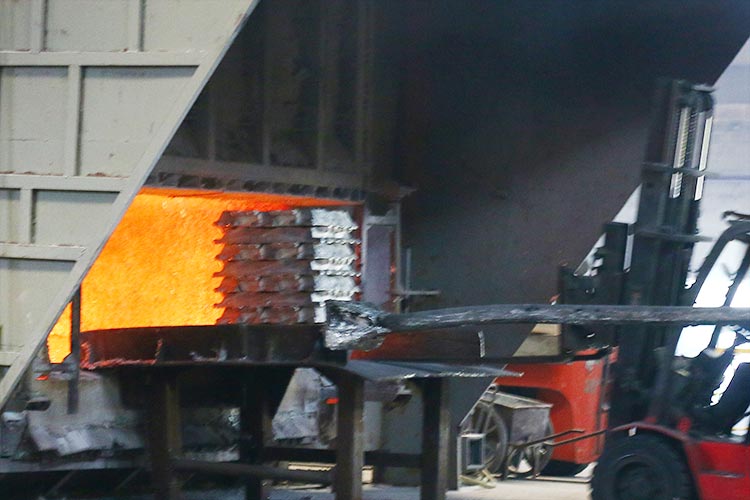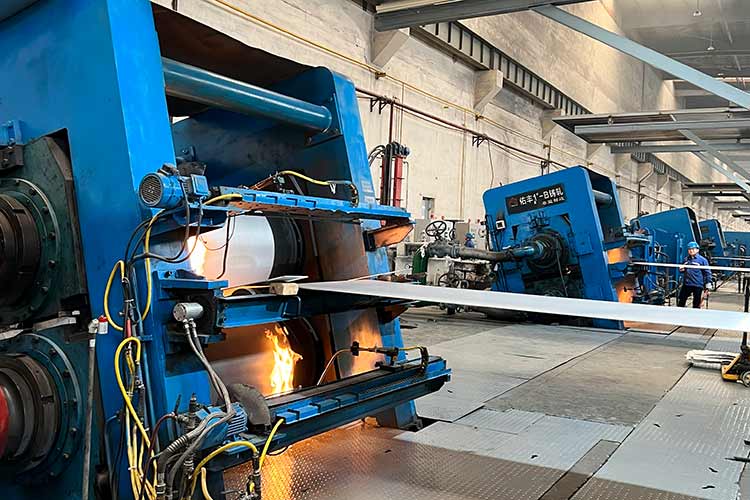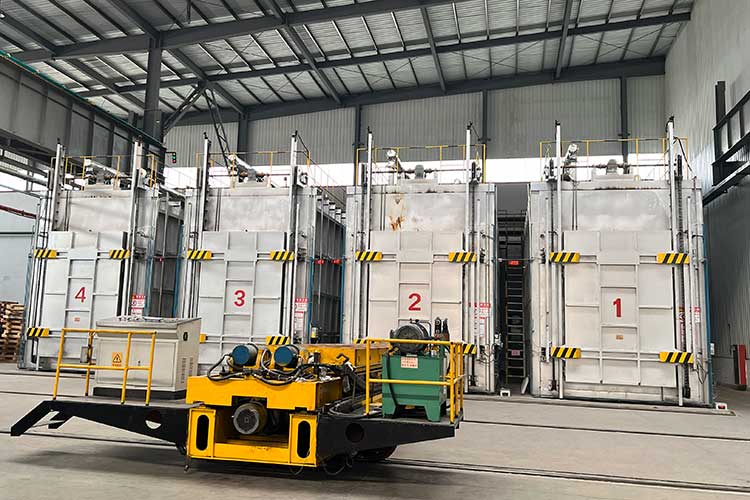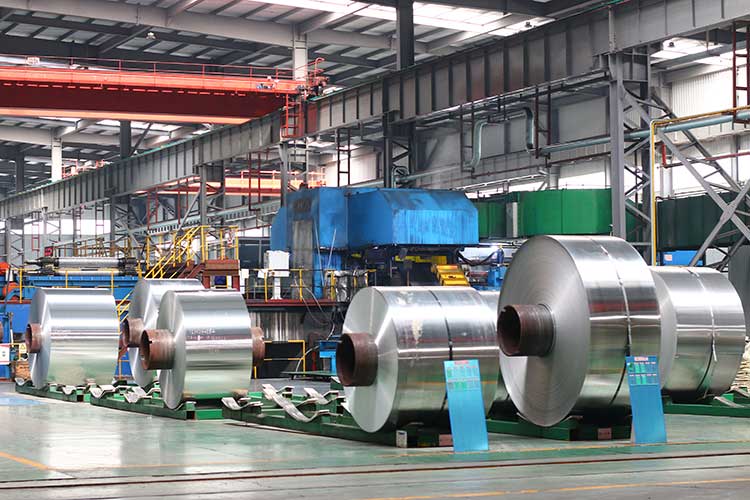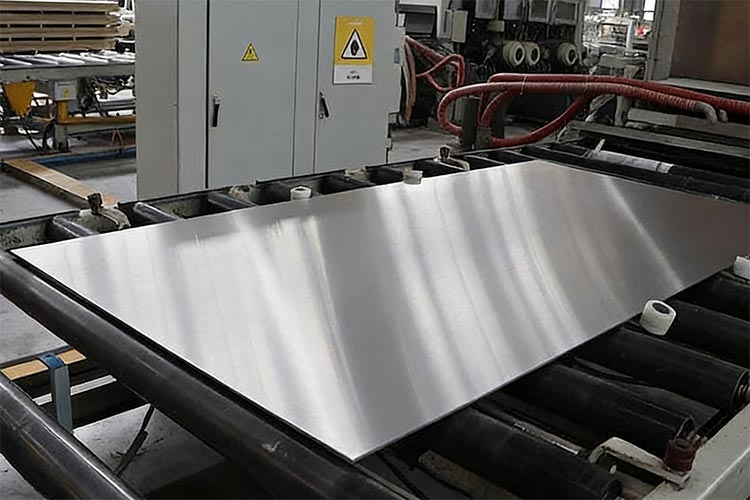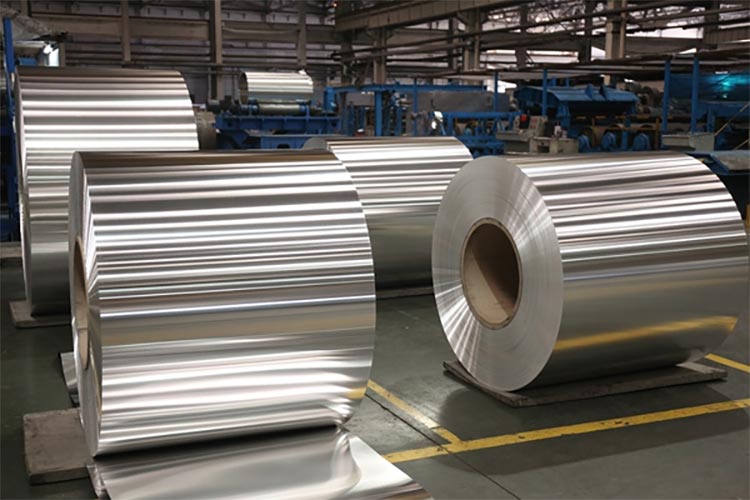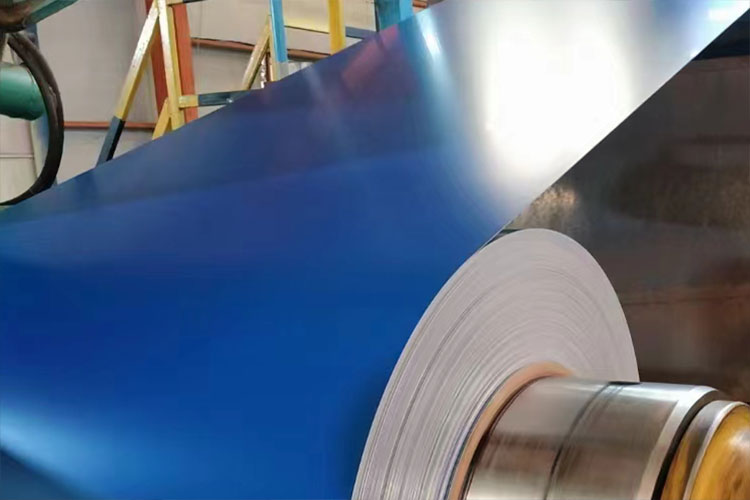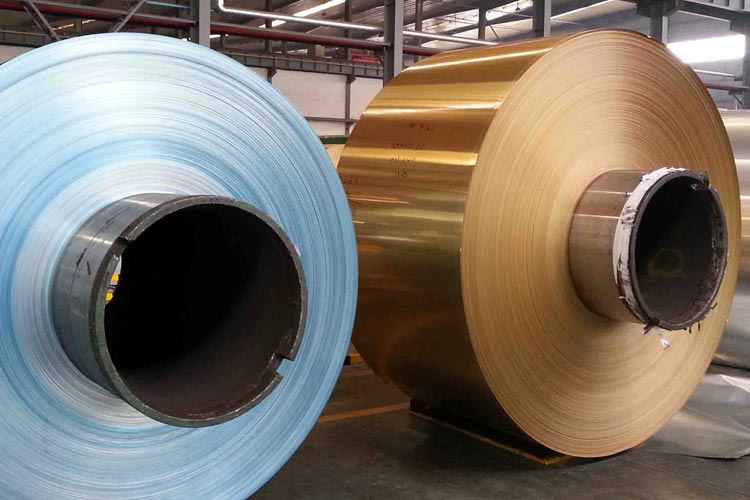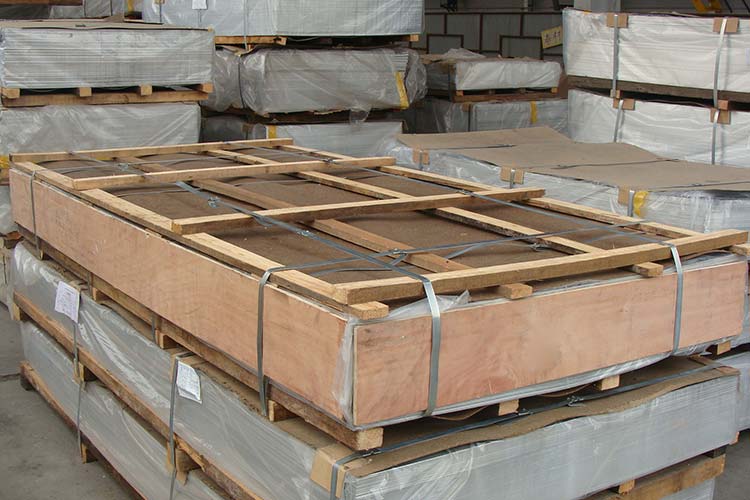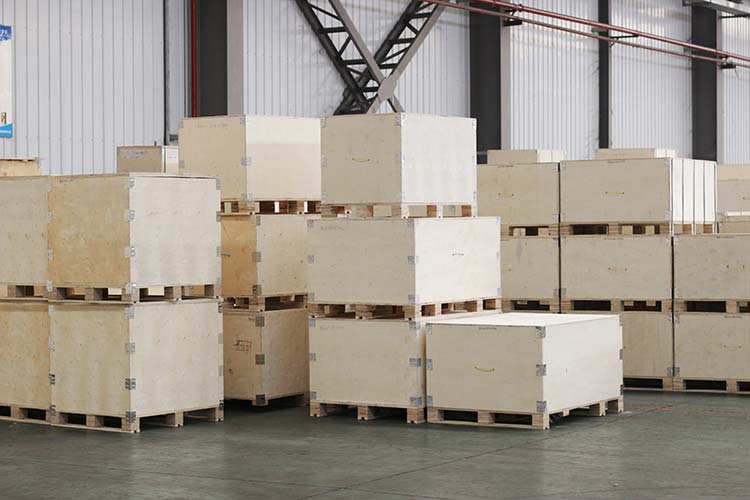
Aluminum sheets (referred to as aviation-grade aluminum alloy thin plates in the aviation field, with a thickness of 0.1-12mm) are the most widely used and core lightweight structural and functional materials in the aviation industry. Boasting core advantages such as ultra-high specific strength, light weight and wear resistance, excellent precision stamping/welding/riveting performance, resistance to extreme aviation working conditions, low magnetic permeability, and outstanding thermal and electrical conductivity, they are also easy to process with raw materials, feature high batch stability and strong recyclability. These merits make them the preferred basic materials to replace steel and titanium alloys, accounting for more than 60% of the structural material consumption of various aviation equipment including civil airliners, military aircraft, helicopters and unmanned aerial vehicles (UAVs). Widely applied in structural, functional and protective components of core parts such as fuselages, wings, cabins, engine nacelles and aviation instruments, they are the key materials to achieve weight reduction of aviation equipment, improve load capacity, reduce fuel consumption and enhance flight stability.
Description
Specifications
| Item | Specification |
|---|---|
| Material / Alloy | 2024 / 6061 / 7075 / 7050 (customizable aerospace-grade alloys) |
| Temper | T3 / T4 / T6 / T73 (depending on alloy and application) |
| Thickness (mm) | 0.5 – 6.0 |
| Width (mm) | 500 – 2000 (custom widths available) |
| Length (mm) | 1000 – 6000 (custom lengths available) |
| Surface Finish | Mill finish, Anodized, Painted / Coated |
| Standards | ASTM / EN / AMS / GB / Customized aerospace standards |
| Mechanical Properties | High tensile strength, excellent fatigue resistance, lightweight |
Main Fuselage Structure: The Core Carrier for Lightweight Aviation Equipment
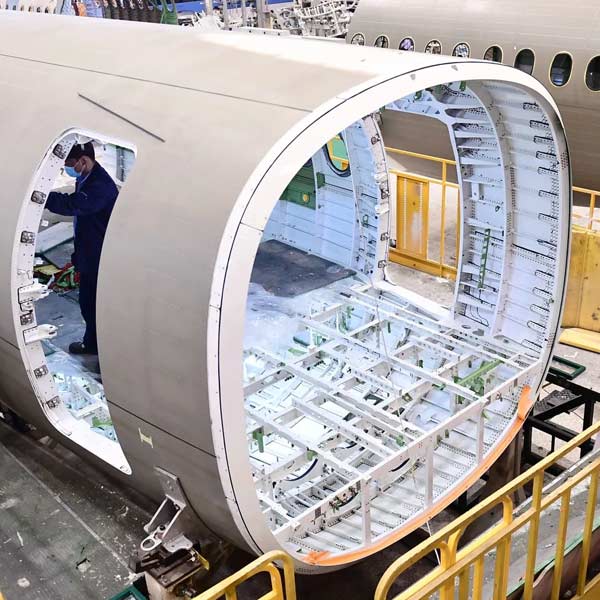
The fuselage is the scenario with the largest consumption of aluminum sheets, with extremely high requirements for material specific strength, fatigue resistance, impact resistance and formability. Aluminum sheets are made into integrated structural components through stamping, riveting and welding, which directly determine the structural stability of the fuselage and the overall lightweight level of the aircraft. For every 1kg of weight reduction of the fuselage, the aircraft can reduce fuel consumption by hundreds of kilograms throughout its life cycle.
- Fuselage skin and frame: The outer skin, internal reinforced frame and bulkhead auxiliary plates of fuselages of civil airliners and military aircraft prefer 2024 and 7075 ultra-high strength aluminum sheets with a thickness of 2-8mm. After T6 heat treatment, their specific strength far exceeds that of ordinary steel, which can withstand aerodynamic pressure and vibration impact during aircraft takeoff, cruise and landing, while greatly reducing the weight of the fuselage. Thin 2A12 aluminum sheets are used at the skin splices, which are easy to weld and have high weld strength to ensure fuselage tightness.
- Cabin structural components: The bulkhead partitions, floor reinforcement plates and inner/outer cabin door plates of the cockpit, passenger/cargo cabin adopt 6061-T6 and 5052 aluminum sheets with a thickness of 1-5mm, which combine medium strength with good formability and can be stamped into complex structures such as arcs and special shapes to adapt to the spatial layout of the cabin. The inner plates of the cockpit use low magnetic permeability 5052 aluminum sheets, which will not interfere with the electromagnetic signals of avionics instruments and ensure flight control accuracy.
- Fuselage protective components: The landing gear bay guard plates and avionics bay outer guard plates of the fuselage select 50583 and 7075 aluminum sheets with a thickness of 3-12mm, which are impact and wear resistant, can withstand the collision of landing gear retraction and extension, and the impact of airflow and gravel during flight. They are also corrosion resistant to adapt to the high-altitude humid and low-temperature environment.
Wings and Empennage: Key Materials for Lift and Control of Aviation Equipment
Wings and empennage (horizontal stabilizer, vertical stabilizer) are the core lift and control components of aircraft, with stringent requirements for material bending resistance, fatigue resistance and aerodynamic load resistance. Relying on high specific strength and good cold bending performance, aluminum sheets have become the main materials for wing/empennage structures, ensuring the structural stability of the aircraft in different flight attitudes.
- Wing structural components: The wing skin, spar auxiliary plates, rib partitions, and leading edge slat/trailing edge flap panels prefer 2024 and 7075 aluminum sheets with a thickness of 2-10mm. Their high bending resistance can bear the huge lift of the wings, and their excellent fatigue resistance can adapt to tens of thousands of flight takeoff and landing cycles without performance attenuation. The leading edge of the wing uses 5052 rust-proof aluminum sheets, which are resistant to high-altitude low temperature and ice erosion, avoiding material aging caused by airflow impact.
- Empennage and control surfaces: The empennage skin, rudder and elevator panels adopt 6061-T6 and 2A12 aluminum sheets with a thickness of 1-4mm, which combine strength and lightweight, can flexibly respond to control instructions and realize aircraft steering and lifting. The tip auxiliary plates of the empennage use thin 7075 aluminum sheets, which are light in weight and wind resistance, improving the control flexibility of the aircraft.
Engine Nacelles and Power Systems: Core Auxiliary Materials for Heat Resistance, Sealing and Protection
Aero engine nacelles are extreme working condition areas with high temperature and high vibration, and the power system has high requirements for sealing, heat resistance and thermal conductivity. Although aluminum sheets are not directly used for high-temperature core components of engines, they serve as auxiliary materials for engine nacelles and power systems, undertaking the functions of protection, heat dissipation and sealing, and are the key to ensuring the stable operation of the power system.
- Engine nacelle accessories: The outer guard plates, air inlet panels and heat dissipation partitions of engine nacelles select 5052 and 6061-T6 aluminum sheets with a thickness of 2-6mm, which are high temperature and vibration resistant, can isolate the high temperature and vibration of the engine and protect the external fuselage structure of the nacelle. The heat dissipation partitions use 1060 high-purity aluminum sheets with a thickness of 0.5-2mm, whose high thermal conductivity can quickly conduct the heat in the engine nacelle and achieve temperature balance with the heat dissipation system to avoid local overheating.
- Power transmission accessories: The fuel tank liner, fuel delivery pipeline auxiliary plates and hydraulic system guard plates adopt 5083 and 2024 aluminum sheets with a thickness of 1-3mm, which are resistant to hydrogen embrittlement and corrosion, adapting to the storage and transportation requirements of aviation fuel and hydraulic oil. Good weldability ensures the tightness of the fuel/hydraulic system and prevents leakage. The outer layer of the fuel tank uses rust-proof aluminum sheets to adapt to the high-altitude humid environment and avoid tank corrosion.
Aviation Instruments and Avionics Systems: Precision Protection and Function-Adaptive Materials
Aviation instruments and avionics systems are the “brain and eyes” of aircraft, with extremely high requirements for material low magnetic permeability, precision formability, lightweight and anti-interference. Thin aluminum sheets, as their structural and protective materials, can provide a stable working environment for precision components and ensure the accurate transmission of avionics signals.
- Instrument and sensor accessories: The outer guard plates, internal partitions and junction box panels of flight instruments, navigation sensors and radar detectors select 3003 and 5052 thin aluminum sheets with a thickness of 0.1-1mm. Precision-rolled aluminum sheets have high dimensional accuracy and can adapt to the assembly requirements of micro components; the low magnetic permeability characteristic will not generate electromagnetic interference, ensuring the measurement accuracy of instruments and sensors, and they are light in weight and wear resistant, able to withstand slight vibration during flight.
- Avionics bay structural components: The wiring fixing frames, heat dissipation panels and shielding plates in the avionics bay use 1060 high-purity aluminum sheets and 6061-T6 aluminum sheets with a thickness of 0.3-2mm. 1060 aluminum sheets have high electrical and thermal conductivity, which can assist in the heat dissipation of avionics components and act as electromagnetic shielding plates to isolate signal interference between different circuits; the wiring fixing frames made of 6061 aluminum sheets have high strength and good formability, which can fix the avionics wiring harness in an orderly manner and avoid wire falling off caused by vibration.
Helicopters and UAVs: Full-Scenario Lightweight Adaptive Applications
Helicopters and UAVs have much higher requirements for ultimate lightweight, high maneuverability and structural compactness than fixed-wing aircraft. Relying on the advantages of light weight, easy processing and high batch stability, aluminum sheets have become their core structural materials, adapting to full-scenario applications from fuselages to rotors. Moreover, their cost is much lower than that of titanium alloys, making them more suitable for large-scale production.
- Helicopter applications: The fuselage skin, rotor blade auxiliary plates, cabin partitions and landing gear guard plates of helicopters select 5052 and 6061-T6 aluminum sheets with a thickness of 1-4mm. Lightweight can improve the ceiling and maneuverability of helicopters, and excellent fatigue resistance can adapt to the high-frequency rotational vibration of rotors; the inner cabin plates use thin 3003 aluminum sheets, which are easy to bend and odorless, adapting to the compact cabin space of helicopters.
- UAV applications: The fuselage frame, arm panels, battery compartment shell and PTZ guard plates of consumer, industrial and military UAVs adopt 1060, 3003 and 5052 aluminum sheets with a thickness of 0.2-3mm. Ultimate lightweight can improve the endurance and load capacity of UAVs; the battery compartment shell uses 1060 high-purity aluminum sheets, whose high thermal conductivity can assist in the heat dissipation of UAV batteries to prevent thermal runaway of batteries, and they are also corrosion resistant to adapt to complex outdoor environments.
Aviation Interiors and Supporting Accessories: Balancing Practicality and Safety
Aviation interiors and supporting accessories have high requirements for material lightweight, fire resistance, corrosion resistance and environmental protection. Aluminum sheets replace traditional plastics and steel to become the preferred materials for aviation interiors, and are also widely used in various niche supporting accessories, balancing practicality and flight safety, and complying with the stringent standards of the aviation industry.
- Aviation interior components: The passenger cabin luggage rack panels, seat frame auxiliary plates, air vent panels and toilet partitions of civil airliners select 3003 and 5052 aluminum sheets with a thickness of 0.5-2mm. Lightweight can reduce the weight of the fuselage, and the fire resistance grade reaches aviation Class A standard, which can withstand the high-altitude high-temperature environment. They are also formaldehyde-free and easy to clean, meeting the environmental protection requirements of aviation interiors; the seat frame auxiliary plates use 6061-T6 aluminum sheets, which have high strength and wear resistance to adapt to long-term passenger use.
- Supporting functional accessories: The seat belt fixing frames, meal board brackets, porthole frame auxiliary plates and emergency door panels of aircraft adopt 2024 and 6061-T6 aluminum sheets with a thickness of 1-3mm, which are high in strength and impact resistance, ensuring the safety of passengers during flight; the porthole frame auxiliary plates use 5052 aluminum sheets, which are resistant to low temperature and aging, adapting to the temperature change environment of high-altitude portholes and preventing frame deformation from affecting porthole tightness.
Core Requirements and Development Trends of Aluminum Sheet Applications in the Aviation Industry
Core Material Selection and Process Requirements
- Performance customization: Match exclusive grades and heat treatment processes according to different application scenarios. For example, 2024 and 7075 (T6 heat treatment, ultra-high strength) are selected for fuselages/wings, 5052 and 3003 (low magnetic permeability, anti-interference) for avionics systems, and 1060 (high-purity aluminum, high thermal conductivity) for heat dissipation components.
- Ultimate precision: The dimensional tolerance of aviation-grade aluminum sheets must be controlled within ±0.005mm, with no scratches or oxidation on the surface to meet the requirements of precision stamping and assembly.
- High-end technology: It must go through processes such as vacuum smelting, continuous casting and rolling, precision cold rolling and aging heat treatment to ensure the purity of materials and the stability of mechanical properties, and the weld strength must be consistent with the base material.
Industry Development Trends
- Aluminum-lithium alloy thin plates become mainstream: Aluminum-lithium alloys reduce weight by 10%-15% compared with traditional aviation aluminum alloys and have higher specific strength. They will gradually replace traditional grades such as 7075 and 2024 and be widely used in large aircraft and high-end military aircraft.
- Integrated precision forming: The production of aluminum sheets is upgraded to large-size and integrated stamping, which can directly stamp integral components such as fuselage skin and wing panels, reduce riveting/welding processes, and improve structural tightness and production efficiency.
- Functional compounding: Develop integrated composite aluminum sheets with heat insulation, anti-corrosion and electromagnetic shielding functions, which can be directly adapted to extreme aviation working conditions without subsequent secondary processing, improving the comprehensive performance of components.
- Green and recyclable: All aviation aluminum sheets adopt recyclable aluminum materials. Aluminum sheets from scrapped aircraft can be 100% recycled and remelted, and the performance does not decrease significantly after recycling, which is in line with the green and low-carbon development trend of the aviation industry.
- Combination of ultra-thin and ultra-high strength: Develop ultra-thin and high-strength aluminum sheets below 0.05mm to adapt to the ultimate lightweight requirements of UAVs and micro avionics instruments, while maintaining excellent fatigue and impact resistance.