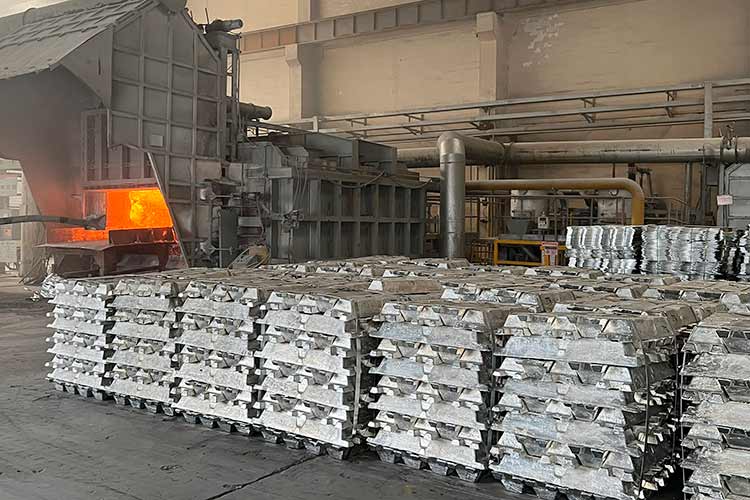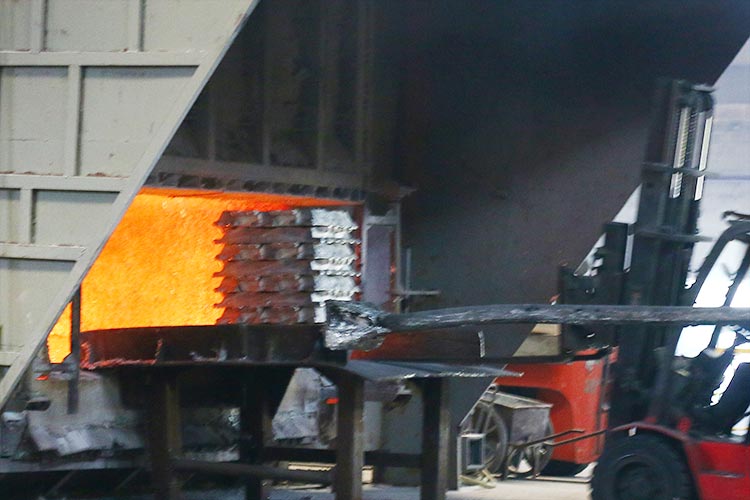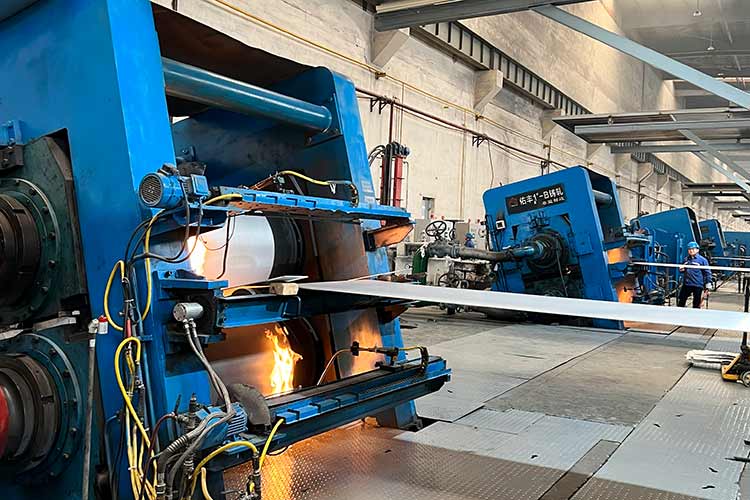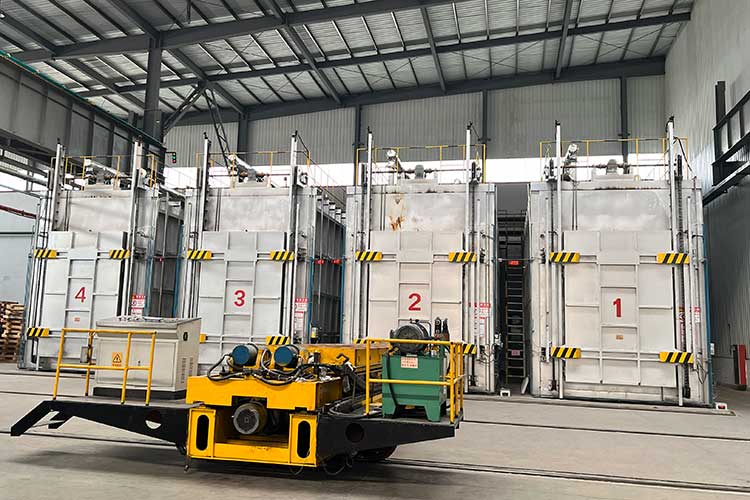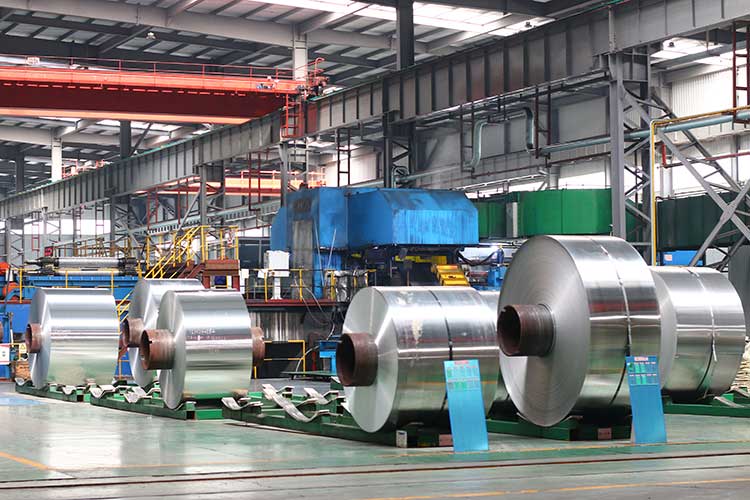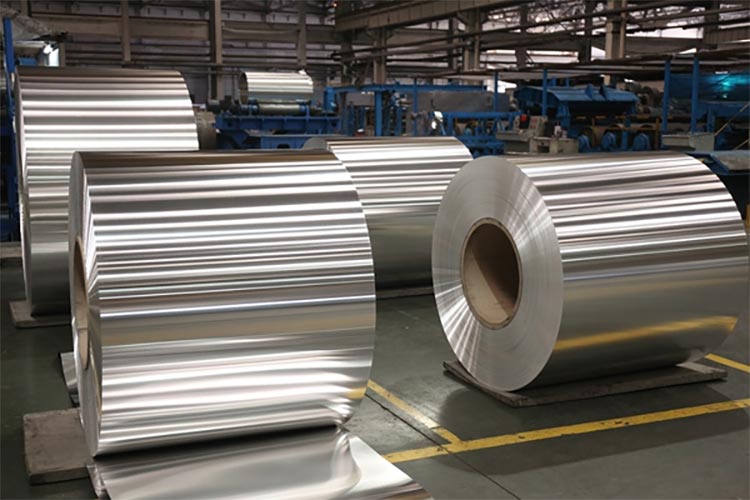


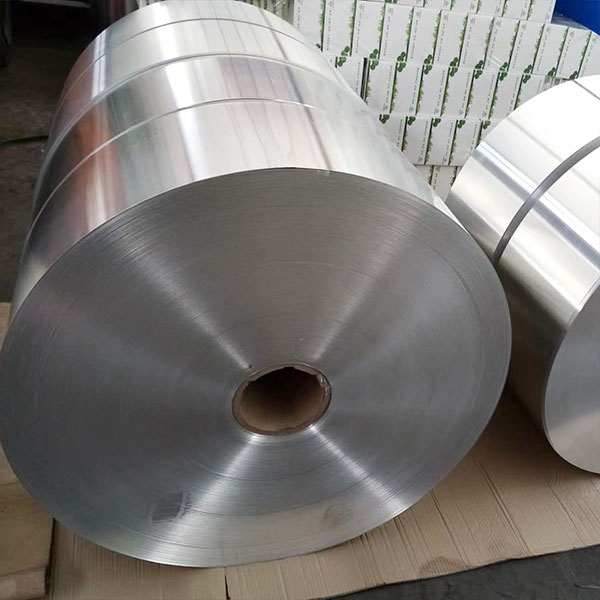
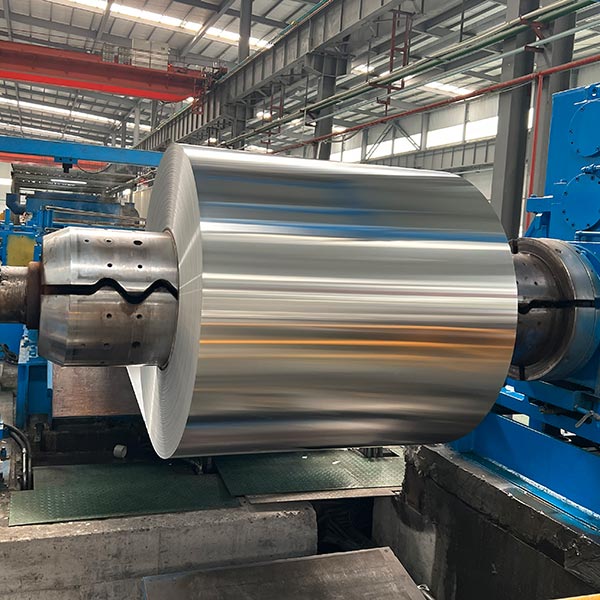

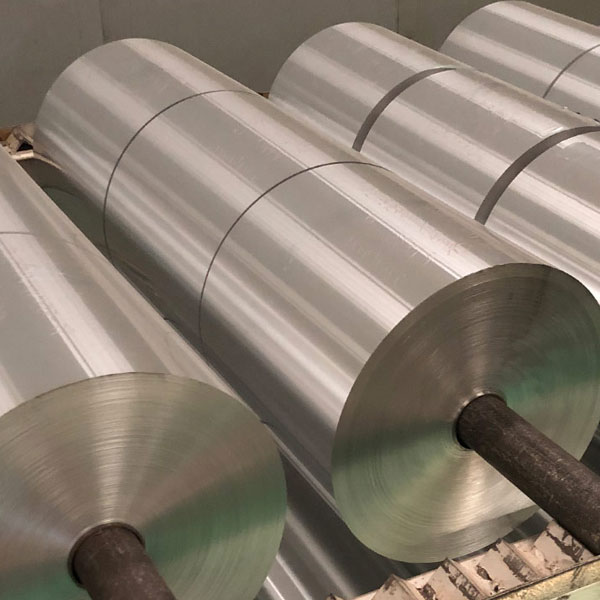
3005 aluminum foil is an alloy of aluminum that is known for its excellent strength-to-weight ratio, good corrosion resistance, and durability. It is often used in more demanding applications where higher strength than 3003 or 3004 alloys is needed, but it still retains many of the benefits typical of aluminum foil.
Description
Features
- Corrosion Resistance
3005 aluminum foil has good resistance to corrosion, particularly in environments with moisture, chemicals, and salt exposure. It is ideal for use in industrial and outdoor applications.
- Strength
3005 provides a higher strength compared to 3003 and 3004 alloys due to its manganese and magnesium content, making it suitable for applications requiring additional strength.
- Formability
Despite its increased strength, 3005 retains good formability, allowing it to be used in flexible applications like packaging and insulation.
- Weldability
The alloy has good weldability, allowing it to be used in various welded structures.
- Thermal Conductivity
It retains good thermal conductivity, making it suitable for heat exchangers and thermal management applications.
- Printable
The surface can be easily printed on, which is useful for customized packaging or labeling.
Technical Specifications
| Parameter | Description |
|---|---|
| Alloy | 3005 |
| Chemical Composition (%) | Al ≥ 95.5, Mn 1.0-1.5, Mg 1.0-1.5, Fe ≤ 0.7, Cu ≤ 0.05, Si ≤ 0.6, Zn ≤ 0.1, Ti ≤ 0.15, Others ≤ 0.05 |
| Temper | O (Soft), H14, H16, H18, H22 |
| Thickness Range | 6 – 100 μm (commonly 9 / 12 / 15 μm) |
| Width | Customizable |
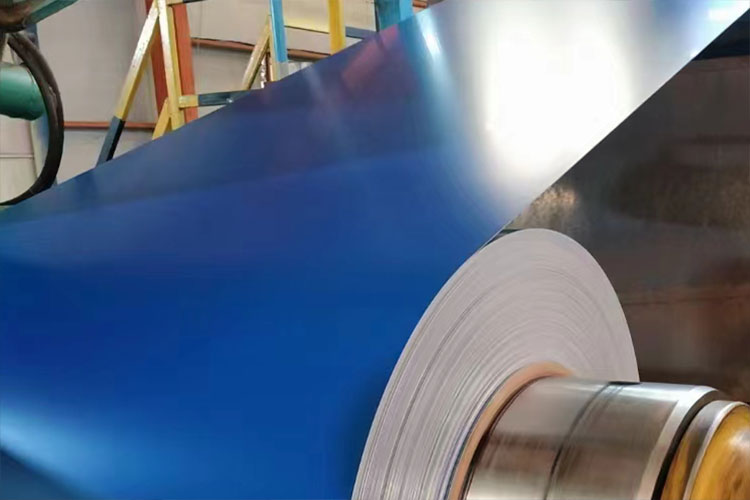
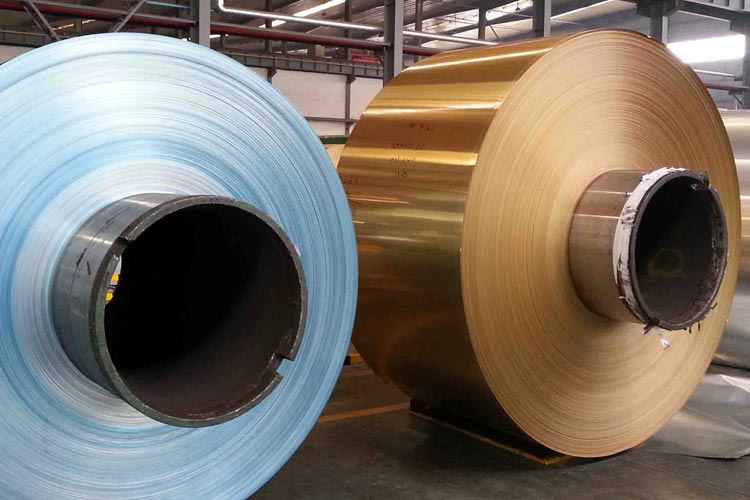
| Surface Finish | Bright / Matte / Coated |
Common Applications
- Food Packaging
3005 aluminum foil is used in food packaging applications where additional strength is required, such as in heavy-duty containers or wraps.
- Insulation
The alloy is used in thermal insulation materials for buildings, refrigeration, and HVAC systems due to its heat-resistance and corrosion resistance.
- Electrical
3005 aluminum foil is used in electrical applications for cable shielding, heat exchangers, and in other industrial uses where thermal management is critical.
- Automotive
This alloy is used in automotive components that require strength, resistance to heat, and durability, such as heat shields and radiators.